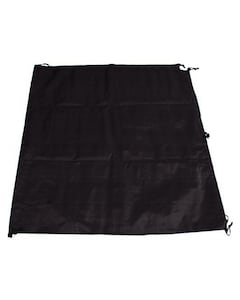
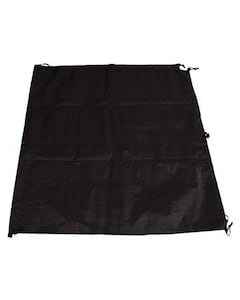
When traveling with a tent in your backpack, it can quite often happen that you will spend the night outside of a designated campsite, such as in the wild in the woods or on the side of a mountain. When setting up camp in such a place, unfortunately, there is a risk of damage to the tent floor. This is because, unlike a tropical tent or a bedroom, the floor is in direct contact with the ground on which there may be stones, for example. Water can then get inside the tent. To prevent this, the camping area should be thoroughly checked and cleaned. You can also use a special tent floor.
The floor is the part of the tent that is most vulnerable to damage. For this reason, it is most often made of very strong plastic such as polyethylene. However, there are ultralight tent models that use floors made of lighter and at the same time less strong plastic, such as nylon. The use of such material reduces the weight of the tent, but increases the vulnerability of the floor to damage. A tent with a nylon floor is therefore safest to pitch in the snow. What about in a situation where you need to pitch it, for example, on rocks? Then it's best to put an extra sheet or tent floor under the tent.
Such tent sheets and floors are generally made of thick polyethylene fibers, which have a very high resistance to punctures, abrasions and other mechanical damage. By putting such material under the tent, you will not only protect the original floor integrated with the bedroom, but at the same time provide additional insulation from the ground. Most tent floors have holes on the edges so that they can be attached to the ground with pins.