How does an anti-smog mask work?
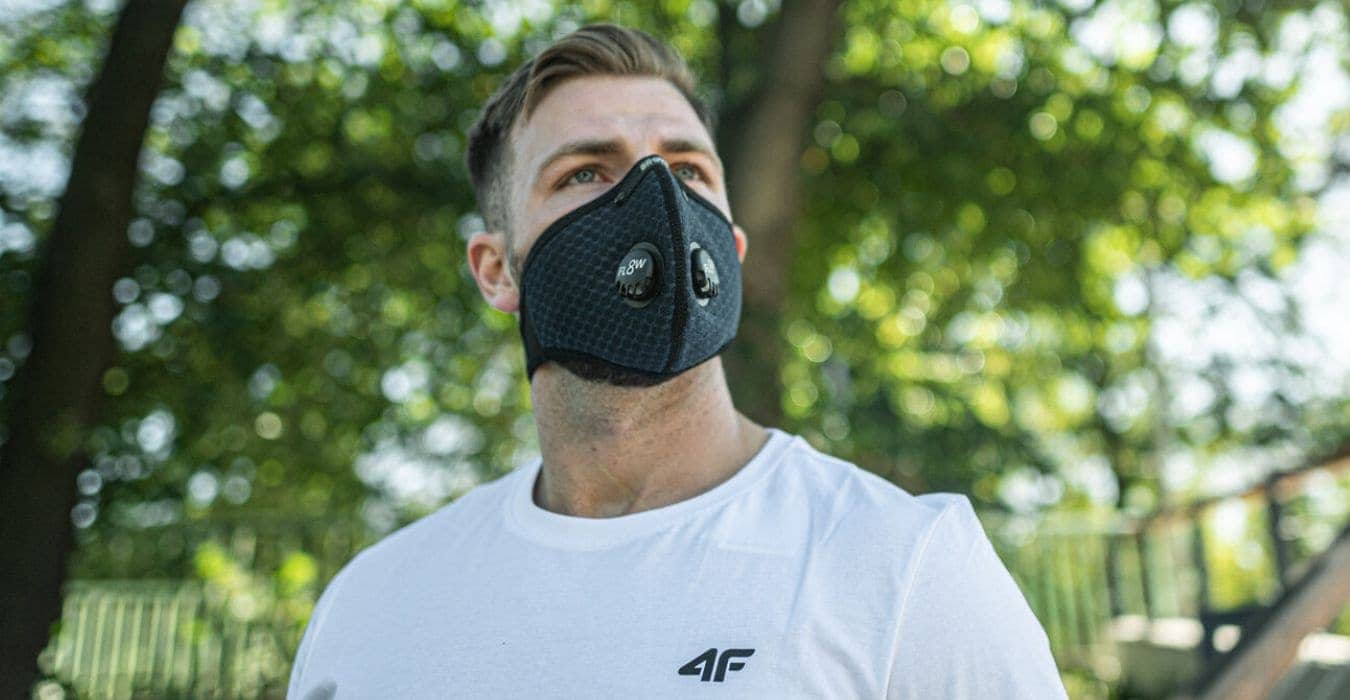
Pollution masks they protect against the inhalation of harmful dust. The filter in the mask traps dangerous particles, so they do not enter the lungs. Staying in a place where air pollution standards are exceeded, it is worth protecting your health by wearing an anti-smog mask. What model to choose and how to choose the size?
How does an anti-smog mask work?
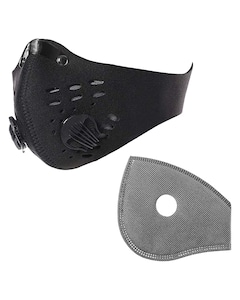
Contaminated air enters through holes in the mask. It is then cleaned by a special filter that captures dangerous particles. The air with carbon dioxide and moisture is exhaled through the valve.
Which pollution mask to buy?
The selection of an anti-smog mask must begin by determining what it will be used for. Masks for everyday, casual use are designed for ordinary activities - moving around the city, walking. For athletes, other masks are dedicated, tailored to filter more air (during training, up to six times more air is consumed than in everyday activities) and remove water vapor. If you bike or run, choose from masks designed for cyclists and runners. Protection for athletes costs more, but health is priceless. An ordinary mask won't work during a workout. There are different types, as well as designs of masks available in our store.



How to choose the size of an anti-smog mask?
The selection and fit of an anti-smog mask is very important. The mask must fit snugly to the face so that contaminants do not get in through the sides. It also must not move when moving. Measure the circumference of your head and neck, as well as the distance from eye height to chin. Compare the measurements with the manufacturer's size chart and choose a mask with a size closest to your measurements.
Filters for anti-smog masks
A good filter is the most important part of an anti-smog mask. It must stop pollutants from two categories: gases and vapor, and particulate matter. Clean air is defined by PM10 and PM2.5, which are mixtures of organic and inorganic substances. Among them are toxic substances, benzopyrenes, dioxins and furans. The terms PM10 and PM2.5 are derived from their size, PM10 dust contains particles smaller than 10 micrometers in diameter, which can reach the upper respiratory tract and lungs. PM2.5 dust contains particles smaller than 2.5 micrometers in diameter, which can reach the upper respiratory tract, lungs and penetrate the blood.
It follows that the filter in the mask must capture particles smaller than 2.5 micrometers. Manufacturers, together with scientists, are developing effective solutions to protect the user from absorbing particulate matter. Depending on the brand of mask chosen, the user has HEPA and P99 filters. In addition, the filters contain activated carbon, which traps harmful substances in the air. It is a good idea to check the characteristics of the chosen mask and filter before buying.
Every so often, the filter in the mask should be replaced. The exact time of use depends on the specific model, as well as the intensity of use of the mask. Do not exceed this time, as the filter ceases to protect the user, and may also begin to develop bacteria and microorganisms that are dangerous to the respiratory system. Always check the manufacturer's recommendations for the recommended use time of the filter!
Smog masks - for whom?
Living in a city where air pollution is high, it is worth protecting your health by wearing a mask. Children and the elderly are particularly vulnerable to harmful substances. People at risk of respiratory diseases (especially those susceptible to them, those with patients in the family) should use anti-smog masks. Also athletes and urban cyclists who do not want to give up their activities outside the home. It's worth remembering that special masks are designed for them, adapted to filter more air and remove water vapor.