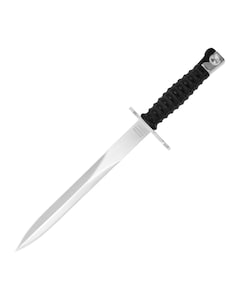
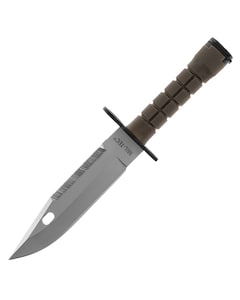
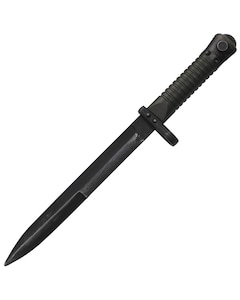
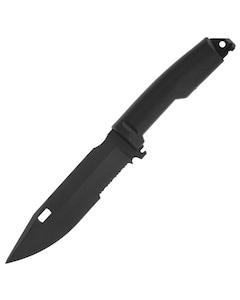
The bayonet is familiar to almost everyone today. The origins of bayonet knives date back to the end of the 17th century, while the name itself has to do with the town of Bayonne, located in France, where the first bayonets were manufactured. Initially, they were large blades embedded in the barrels of muskets, but the evolution of bayonet knives over the years reveals a clear trend in the form of their increasingly smaller size, which is why today bayonets will be far more associated with knives than with very long blades designed for stabbing.
Historically, the bayonet has to do with the evolution of firearms and the gradual disappearance of pikemen, who over time were no longer necessary to protect riflemen from cavalry. Instead of in the barrels, bayonets began to be embedded in the barrels, which translated into leaving both the ability to shoot and reload the weapon. They also became shorter over time, and their importance on the battlefield diminished.
Today, a term such as bayonet knife can function as a name for more or less typical bayonets - this means only that currently many people also associate bayonets with military knives in the broadest sense. In terms of functionality, on the other hand, bayonets have also begun to serve as versatile tools, used, for example, for opening canned goods. In other words, they can be successfully used as everyday knives, which is why bayonets are popular among ordinary users who are looking for a reliable knife for everyday use.