What is IPSC shooting? - explained
The abbreviation IPSC stands for "International Practical Shooting Confederation," which means "International Confederation of Practical Shooting." This term refers both to the international organization that brings together shooters and to the shooting sport discipline itself. In Poland, the term "dynamic shooting" or "practical shooting" is most often used.
In contrast to traditional shooting disciplines, such as target shooting in Olympic competitions where the shooter remains in one place, IPSC dynamic shooting requires the participant to constantly move. The shooter advances through a pre-prepared course where they must hit various targets, change positions, and adapt to changing conditions.
IPSC Dynamic Shooting – History
The origins of dynamic shooting date back to the 1930s. At that time in the United States, it was noted that static shooting training did not reflect the conditions in which police officers find themselves while performing their official duties. Therefore, modern training methods were introduced, including shooting in motion, from cover such as cars, and in various other dynamic and realistic scenarios.
Over time, these exercises evolved into a new form of sports competition. Competitions and events promoting practical shooting also emerged in recreational versions. Over the next decades, this discipline continued to develop, becoming formalized in 1976 when the International Practical Shooting Confederation (IPSC) was established.
As for the history of IPSC in Poland, it officially began in 1996 in Kołobrzeg. During the founding meeting, 17 people established the Practical Shooting Association, adopted its statute, and submitted an application for registration of the organization at the Provincial Court in Koszalin.






What is IPSC Dynamic Shooting?
IPSC dynamic shooting differs from traditional, static competitions primarily in the form of competition. Instead of shooting from one position at a stationary target, competitors navigate specially designed shooting courses. Each course can look different and include static, moving, partially obscured, or surprise targets. The shooter must hit designated targets, moving between different shooting positions and making split-second decisions.
The competitor's final score in the competition depends not only on the number of targets hit but also on the time it took to complete the course and any penalty points, e.g., for inaccurate shots, hits in prohibited areas, or missed targets.
IPSC Competitions - What Weapons Are Allowed?
In the past, competitors in IPSC competitions could use any weapon of their choice. Currently, a wide range of weapons is allowed, divided into different disciplines and equipment classes that specify which weapons can be used and what modifications are allowed. Dynamic shooting is currently divided into disciplines such as:
- pistol,
- shotgun,
- rifle,
- PCC,
- mini rifle (.22 LR caliber),
- Action Air (ASG replicas, popular in regions where access to firearms is restricted).
The disciplines are further divided into equipment classes that specify what weapons can be used and what modifications are allowed. Below are the classes related to pistols:
Production Class
In this class, non-modified or slightly modified weapons are allowed, such as minor parts adjustments, aesthetic changes, or sight adjustments. Pistols must be on the official IPSC Production Division List, which ensures their compliance with the requirements of this class.
Technical restrictions also apply:
- maximum barrel length: 127 mm,
- bullet caliber: 9 × 19 mm,
- maximum magazine capacity: 15 rounds,
- pistols operating solely in SA (Single Action) mode are not allowed.
Examples of weapons meeting the Production class requirements in IPSC include the CZ Shadow 2 and Glock. In our store, ASG replicas of these models are available, which are excellent for shooting training – especially in conditions where the use of firearms is impossible or restricted.


Standard Class
The weapon used in the Standard class must fit completely (with inserted magazine or locked cylinder and cocked hammer) – inside a closed box with internal dimensions of 225 mm x 150 mm x 45 mm. In this class, there are no trigger weight limits. The minimum permissible caliber is 9 × 19 mm.
The following are prohibited:
- telescopic magazines and magazines with a compressible (compressible) baseplate,
- collimators,
- barrel porting (exhaust ports in the barrel to reduce recoil).
Classic Class
Similar to the Standard class, a pistol used in the Classic class must fit, with the magazine inserted, inside a closed box with internal dimensions of 225 mm x 150 mm x 45 mm. A characteristic requirement of this class is that the weapon must be based on the traditional Colt 1911 model. Only pistols meeting the following criteria are allowed:
- single-stack magazine,
- frame made from a single piece of metal,
- slide with rounded undercuts, covered front, and a maximum length of 75 mm (measured from the leading edge to the end of the slide stop pin),
- external width of magazine well overlays cannot exceed 35 mm.
Magazines can be loaded with a maximum of:
- 8 rounds for Major power factor,
- 10 rounds for Minor power factor.
Some modifications affecting the ergonomics and aesthetics of the weapon are allowed, as long as they do not violate the basic structural requirements of this class.
Open Class
The Open class allows for almost unlimited weapon modifications, such as the installation of optical and electronic sights, compensators, portings, as well as sound and flash suppressors. In this class, there are no trigger weight restrictions, however, magazines cannot exceed 170 mm in length.
Revolver Class
In this category, there are no restrictions on barrel length, trigger pull force, or cylinder capacity. Only the use of semi-automatic revolvers with recoiling slides is prohibited.



How to Start Your Adventure with IPSC?
In Poland, those interested in starting their adventure with IPSC dynamic shooting can easily find coaches and sections operating at shooting ranges that offer training for beginners — even those who do not yet have their own weapons, holster, and other equipment. Training clubs and groups usually allow for the rental of necessary equipment and provide professional instruction, including learning the principles of safe gun handling.
Additionally, on the official website of the IPSC Poland region you can find detailed information about training, competency exams, and the formalities required to start competing in competitions. It is also a good source of information for those who want to join the IPSC community in Poland and develop in this dynamic sport.
IPSC Shooting Accessories at Militaria.pl
At Militaria.pl, we offer essential accessories for IPSC dynamic shooting that support both beginner competitors and experienced shooters.
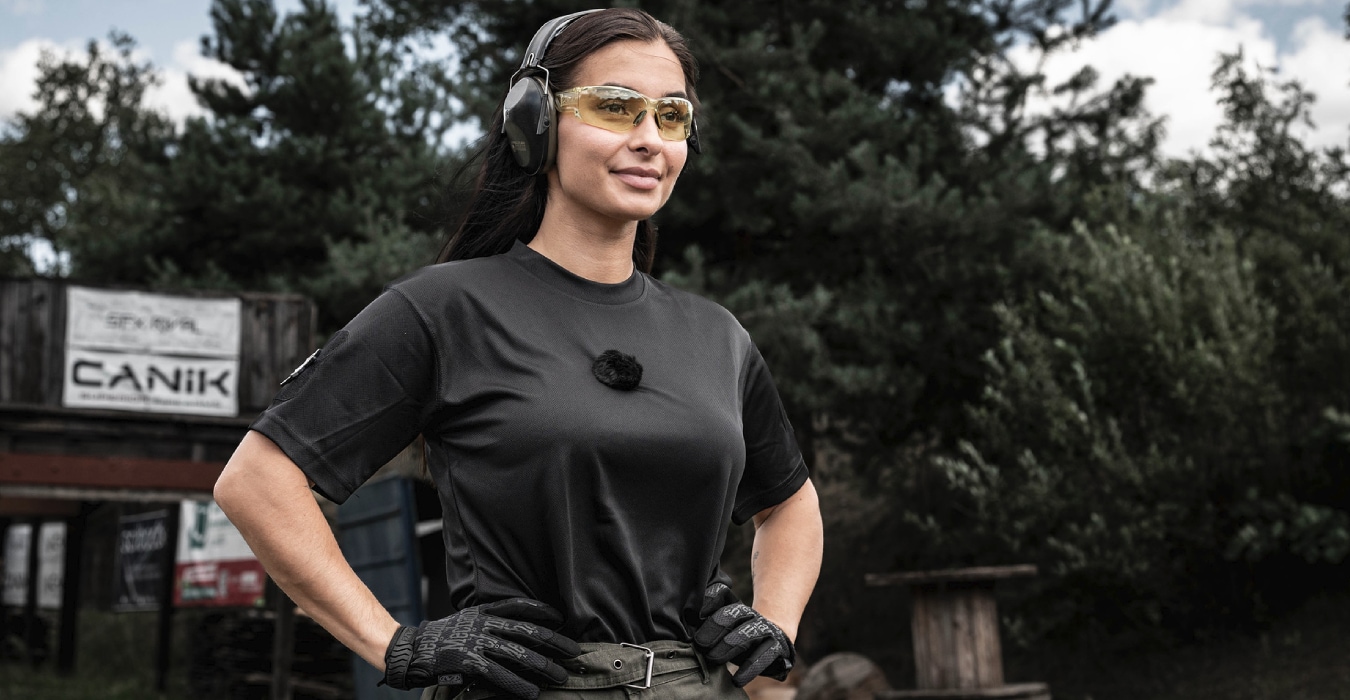
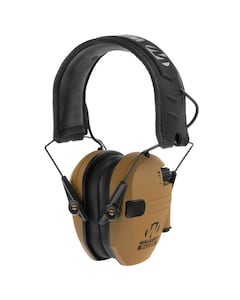
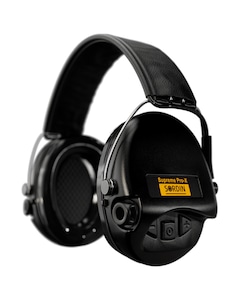
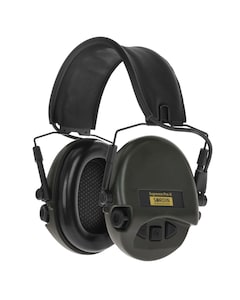
In our store, there are hearing protectors (active and passive), which are a necessary item of equipment for every sport shooter. Active models not only effectively dampen the sounds of gunfire and protect hearing but also provide the ability to hear umpire commands, communicate with other competitors, and react to ambient sounds. Loud noises are automatically muted, making shooting safer and more comfortable.
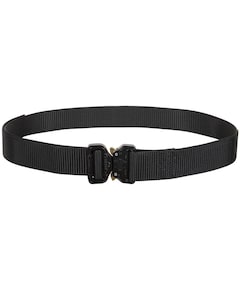
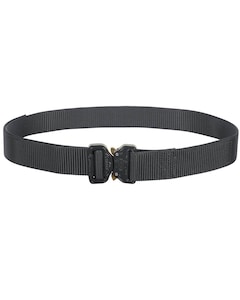
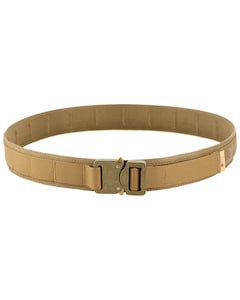
We also offer durable IPSC shooting belts, which are the foundation of every IPSC shooter's equipment. Their rigid construction provides stable and secure mounting of holsters, magazine pouches, and other necessary accessories during competitions and training. In our offer, you will also find high-quality protective glasses meeting strict American ballistic standards. They protect the eyes from debris, ricochets, and other potential hazards that may occur during shooting.
Moreover, we offer IPSC shooting targets, holsters, magazine pouches and other accessories useful during IPSC dynamic shooting. All products come from renowned brands such as Sordin, JB Tacticals, Peltor, and Helikon.