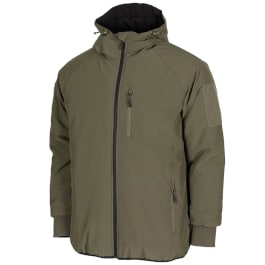
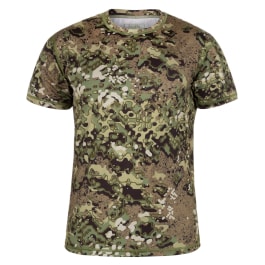
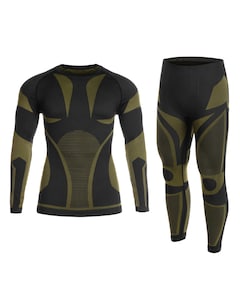
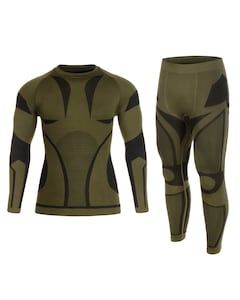
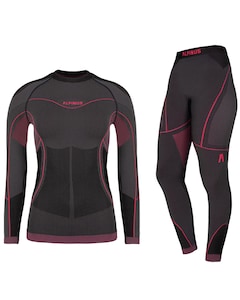
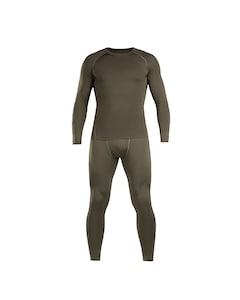
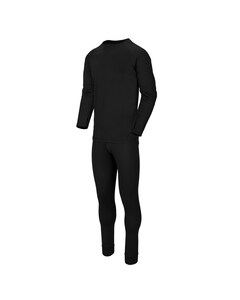
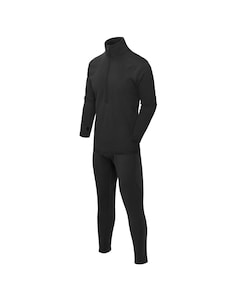
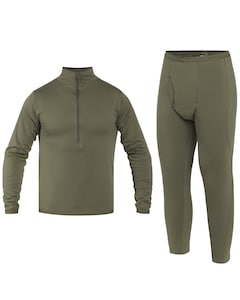
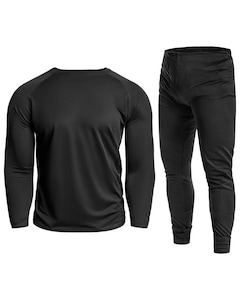
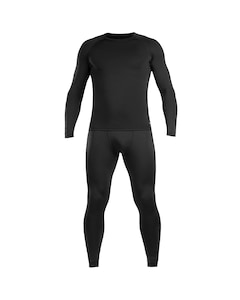
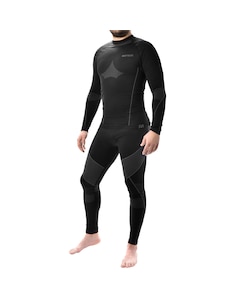
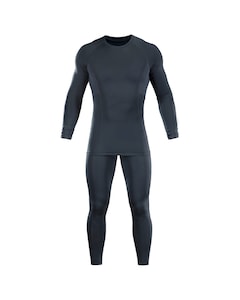
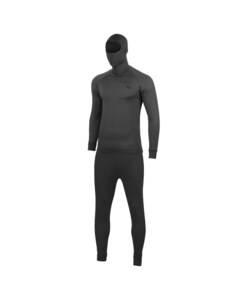
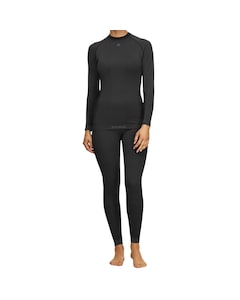
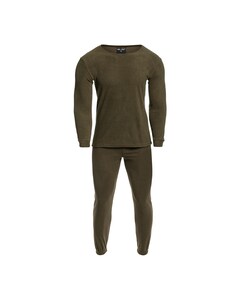
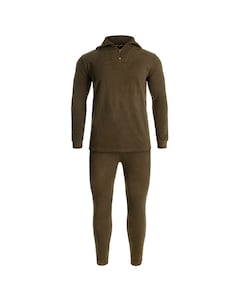
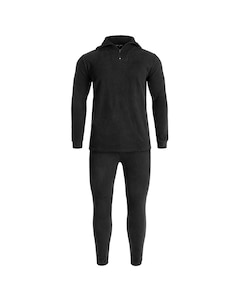
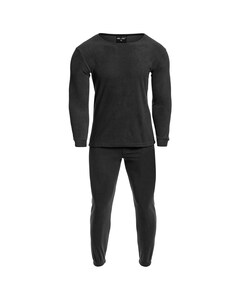
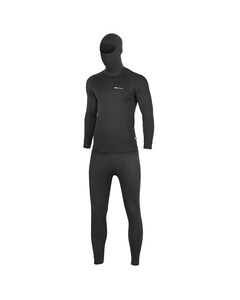
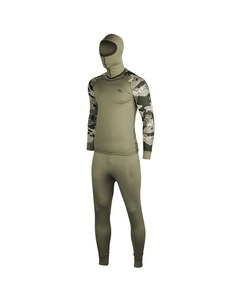
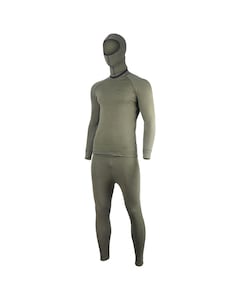
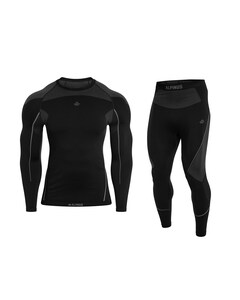
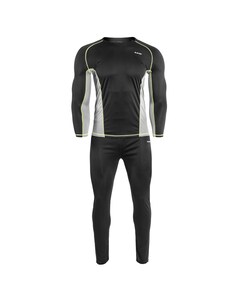
Nowadays, thermal clothing is the absolute basis for comfortable sports, tourism or professional work involving intense physical exertion. It maintains warmth at the same time wicking away excess moisture along with it. Its most important feature is its hydrophobicity - having constant contact with the moisture of the human body, it does not retain it, thus providing the user with a constant feeling of dryness and thermal comfort.
Breathable clothing has many advantages that are widely appreciated. First of all, they allow moisture to be effectively wicked away from the surface of the skin to then allow it to evaporate quickly. Thanks to the special structure of the material, sweat produced during physical activity is quickly absorbed and transported to the outer layers of the thermal clothing. This is, above all, an effective protection against excessive loss of body heat, which can happen precisely when wearing soaked clothes.
Thermoactive clothing, and the effect described above, is also associated with another equally important advantage, namely a sense of comfort. The user using thermoactive clothing is not subjected to the unpleasant sensations that are characteristic of wearing soaked clothing that further cools the body. Dry skin and thermal comfort make many people choose thermal clothing for outdoor physical activities.
Companies such as Columbia and Under Armour, for example, most often equip their thermal clothing with patented technology that gives the wearer even more advantages. Under Armour, for example, offers a quick-drying cotton called Charged Cottor, which dries five times faster than regular cotton. HeatGear, on the other hand, is a technology that makes thermoactive clothing perform well in high temperatures. Columbia, for example, uses a solution called Omni-Heat Reflective, which works well in cold temperatures and allows the body to retain heat generated more effectively.