Military ranks in Poland - division and history
We are all well aware of the importance of the institution of the military and the role it plays for every country. Since the dawn of history, a well-trained army has been a sign of strength, a guarantor of stability and security of the state, and the arms industry itself is one of the driving forces for technological development. The history of the Polish military goes back practically to the beginnings of the state, that is, to the times of the first Piasts and the formation of the princely squad, which began a long road of development and transformation that eventually led to the formation of the Polish army as we know it today. As the centuries passed, its structure, military ranks and general rules of operation were formed. Military ranks in the Polish Army and how they have changed over the years is an interesting and very broad topic, so we want to not only bullet point the current military ranks in Poland, but present you with a kind of compendium of knowledge on military ranks and their designations in various units of the Polish Army, along with a brief historical outline.
Military ranks in Poland through history
As we mentioned, we can talk about the birth of the Polish military in the early Middle Ages, the historical beginning of the Polish State. Of course, it is difficult to talk about military ranks at a time when both the concept of a regular army and the very concept of statehood as understood in modern Poland at that time were unknown. The hierarchy and ranks in the knighthood, which took shape over the following centuries, are also not reflected today, and the old military ranks such as drab, hetman, tithe or hajduk have already passed into history. If, on the other hand, it seems to anyone that the current division of military ranks is complicated, it is worth taking a look at at least the hierarchy and military ranks in the First Republic, more specifically from the period of the Four-Year Sejm:
- Members of the General Staff
-
Grand Hetman
-
Field Hetman
-
Artillery General
-
Lieutenant General (head of division)
-
Major General
- Degrees in horsemanship
- In the driving brigades:
- Brigadier (general) (brigade chief)
- Vice Brigadier
- Major
- Rotary (head of the flag)
- Lieutenant
- Sub-Lieutenant
- Quartermaster
- Auditor
- Adjutant
- Warrant officer
- Lieutenant Governor
- Companion
- Sergeant major
- Furyer
- Corporal
- In driving regiments:
- Regimental chief (general)
- Colonel
- Lieutenant-colonel
- Major
- Infantry ranks
- Head of regiment (general)
- Furyer
- Lieutenant-colonel
- Major
- Captain (company chief)
- Auditor
- Regimental (quartermaster)
- Adjutant
- Lieutenant
- Second Lieutenant
- Warrant officer
- (Officer) cadet
- Feldfebel
- Sergeant
- Furyer
- Corporal
- Artillery ranks
- Major General
- Colonel
- Lieutenant Colonel
- Major
- Captain
- Quartermaster
- Adjutant General
- Oberceugwarter
- Ceugwarter
- Lieutenant
- Second Lieutenant
- Junker
- Sztabsfuryer
- Oberfeuerwerker
- Feuerwerker
- Furyer
- Ober bombardier
- Bombardier
- Degrees in the corps of engineers
- Corps chief
- Colonel
- Lieutenant Colonel
- Captain
- Lieutenant
- Second Lieutenant
- Conductor
- Unteroficer
- Miner
- Sapper
We can speak of the first real system of military degree insignia since the first half of the 18th century, when uniform discipline began to be organized, and with it, the first insignia in the form of epaulettes and gallons and decorative cords on the shoulders appeared.
The nineteenth and twentieth centuries were an extremely turbulent period in Polish history, and this is also reflected in the metamorphoses that the Polish army underwent, the restructuring of the military hierarchy and changes in the appearance of the insignia of military ranks.
The graphic below shows how military ranks were represented during World War II:
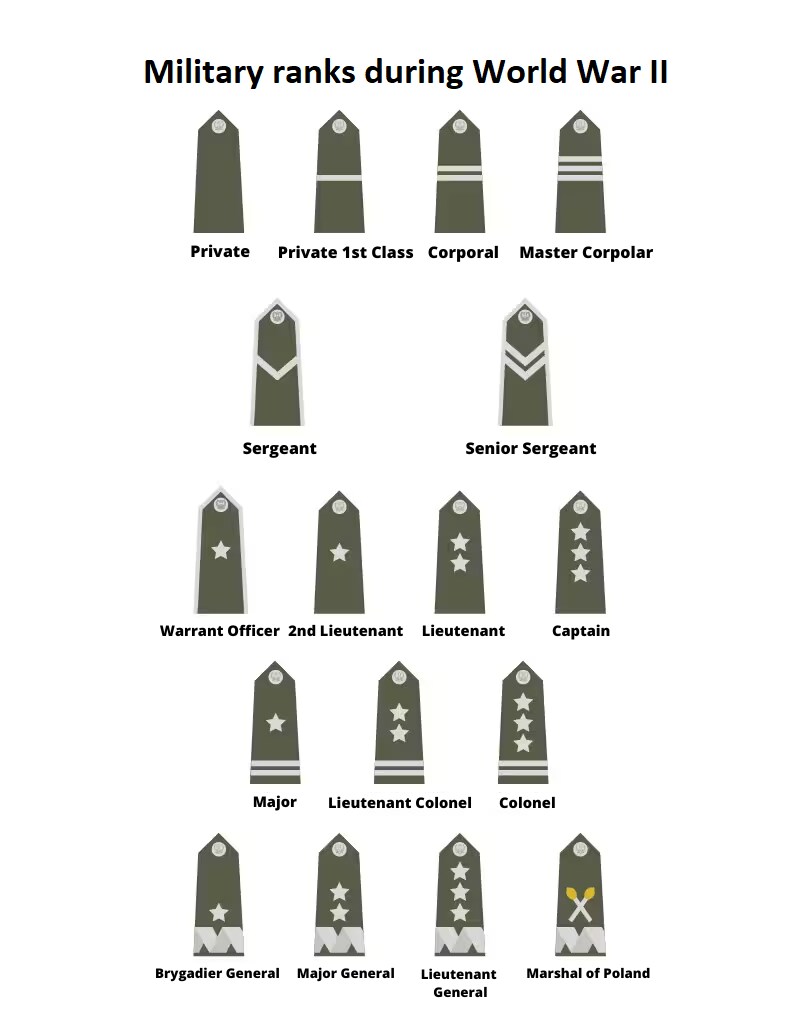
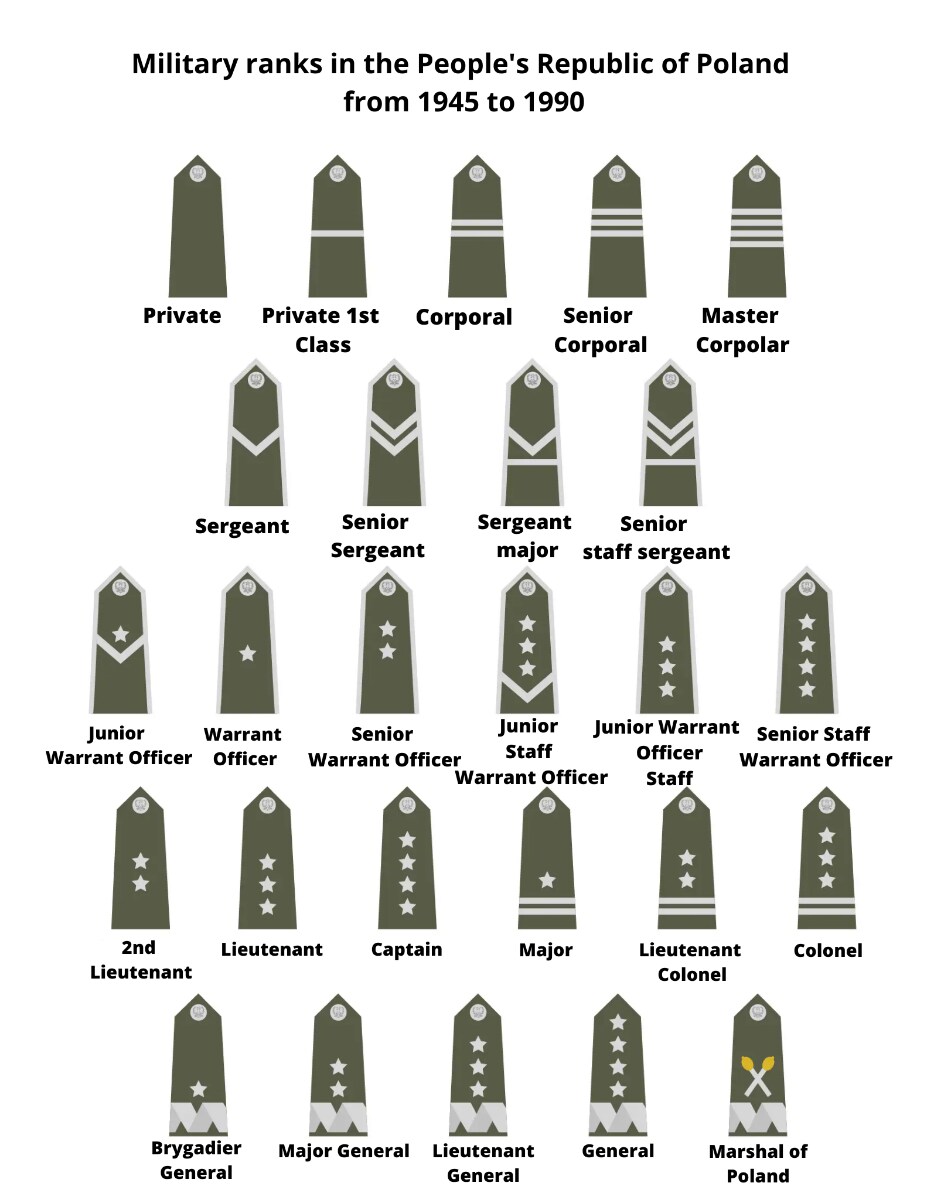
The end of World War II was followed by a difficult period not only for the country, but also for the military, which had to face a major reorganization. The change of regime led to a name change to the Armed Forces of the People's Republic of Poland (SZ PRL), which lasted until 1989. Military ranks in the People's Republic of Poland did not differ significantly from those of the wartime period; the only visible change was in the designation of the rank of ensign.
After the political changes and the amendment of the Constitution of December 29, 1989, the Polish State returned to the name of the Republic of Poland, and the term Armed Forces of the Republic of Poland was applied to the Polish army.
Military ranks in the Polish Army - a breakdown
Currently, the division and hierarchy of military ranks are strictly regulated by law in the Law on Defense of the Fatherland of March 11, 2022. The organizational structure of the Polish Army implies the division into three Corps of Armed Forces Personnel:
-
Private corps
-
The non-commissioned officer corps includes:
- junior NCOs,
- senior non-commissioned officers. -
The officer corps includes:
- junior officers,
- senior officers,
- generals and admirals.
The hierarchy applies to both the Land Forces, Air Forces and Navy, and soldiers, by virtue of their military rank, are assigned to the appropriate corps.
Military ranks of the Land Forces and the Air Force
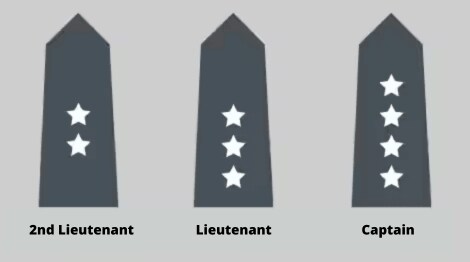
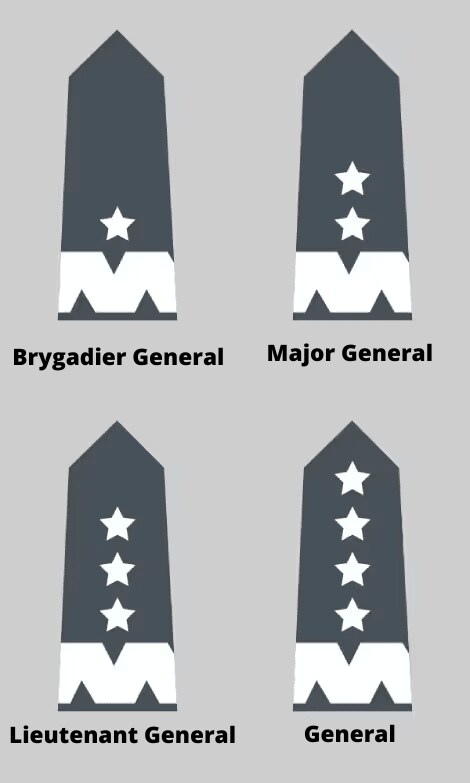
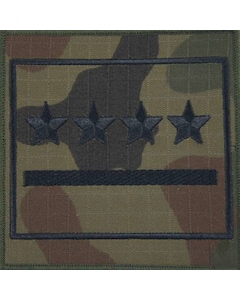
The markings of military degrees in the Polish Army on the epaulettes consist of so-called beams, rafters and stars, or in other words: diamonds. Military degrees in the Air Force are based on the same structure as in the Land Forces, the degree signs differ only in the color of the epaulettes, which in the case of the Air Force are steel-blue.
The hierarchy of military ranks in the Land Forces and Air Force by corps is as follows:
Private corps
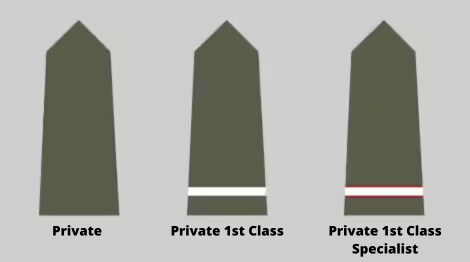
This corps includes the ranks of Private, Senior Private and the rank of Specialist Private, introduced in 2022. Private is the lowest military rank in the Polish military. The rank of private without special conferral is given to those first called up for active military service, volunteers and those transferred to the reserve without military service. The military insignia of a senior private is a single horizontal bar, and that of a specialist private is a horizontal bar with two red stripes.
Non-commissioned officer corps
In March 2022, with the introduction of the Homeland Defense Law, the previous division of the NCO corps also changed. Before the introduction of the law, this corps was divided into three groups (junior NCOs, NCOs and senior NCOs). Currently, this corps includes only junior NCOs and senior NCOs.
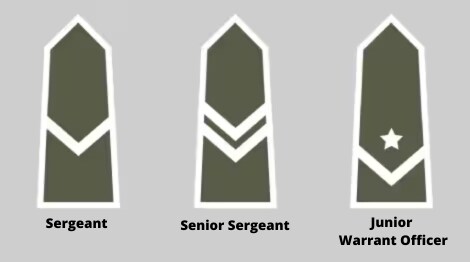
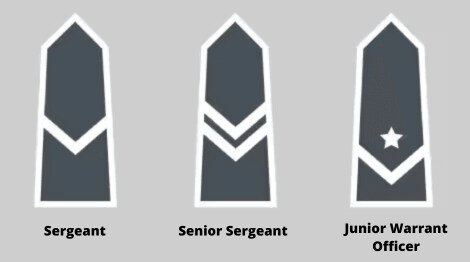
Junior NCOs include corporal, senior corporal, platoon sergeant, sergeant, senior sergeant and junior ensign.
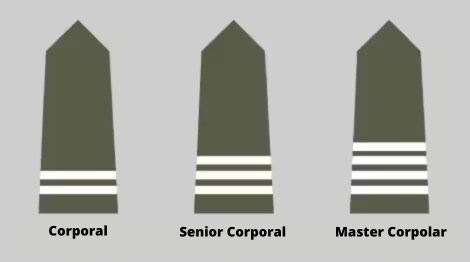
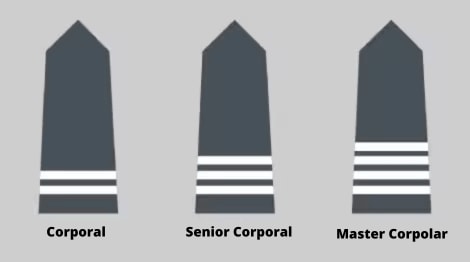
The sergeant and senior sergeant have one and two epaulettes, respectively, while the junior ensign has one epaulette with a star placed between the shoulders. In addition, the epaulettes are trimmed with distaff tape.
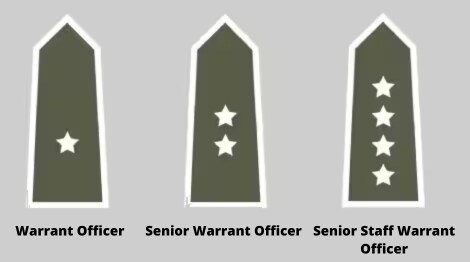
Senior NCOs include an ensign, senior ensign and senior staff ensign. They wear one, two and four stars, respectively, on epaulettes trimmed with distinguishing ribbon.
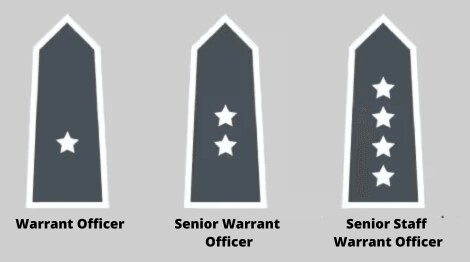
Officer corps
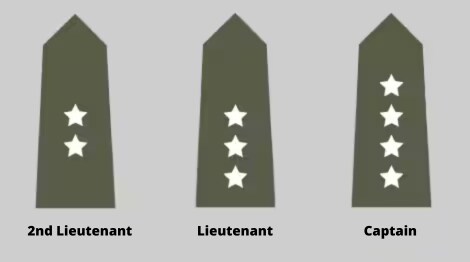
It is divided into junior officers, senior officers and generals. Junior officers include second lieutenant, lieutenant and captain. Their military designations consist of two, three and four stars, respectively. The first officer rank is appointed by the President of the Republic of Poland at the request of the Minister of Defense, and the appointment itself is a solemn ceremony referring to the Polish tradition of chivalry.
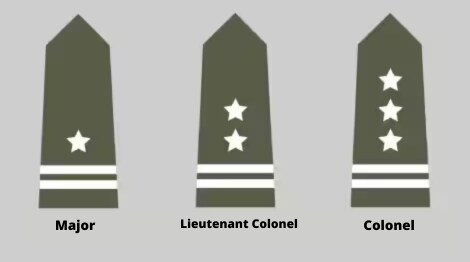
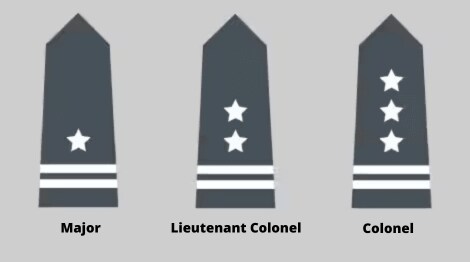
Senior officers include major, lieutenant colonel and colonel. The military rank designations are two bars and one, two and three stars, respectively. Officers in the rank of major in the Polish Army hold such positions as deputy battalion commander, section chief of divisions and division officer in higher-level headquarters. A lieutenant colonel serves as a battalion commander or section chief on the staff. A colonel serves as commander of a regiment or independent battalion.
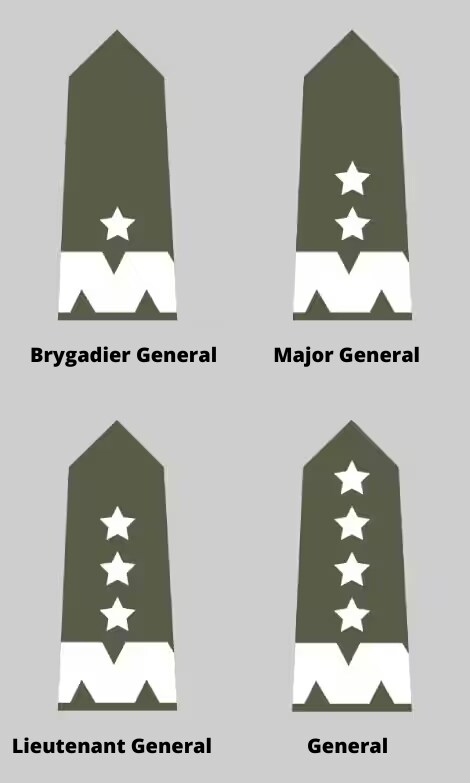
Generals are divided into brigadier generals, major generals, generals of arms and generals (formerly army general). The general's insignia on the epaulettes are, in turn, one, two and three stars and a general's serpent.
Polish Marshal
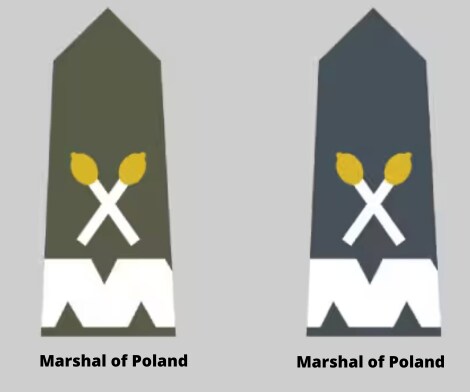
Marshal is the highest military rank in Poland. No one currently holds this position, and the last time it was held was during the communist era. The epaulet of the Marshal of Poland features a general's hose and two crossed mace.
For greater clarity, we have listed the military ranks in order of rank in a table of military ranks, including the division into corps. It also includes abbreviations for military ranks and NATO military ranks, a standardized rank hierarchy for member countries.
| CORPUS | DIVISION OF THE BODY | NATO CODE | MILITARY RANK |
|---|---|---|---|
| WIDE | OR-01 | Private | |
| OR-02 | Private 1st Class | ||
| Private 1st Class Specialist | |||
| PODOFICERS | Junior non-commissioned officers | OR-03 | Corporal |
| OR-04 | Senior Corporal | ||
| OR-04 | Master Corpolar | ||
| OR-05 | Sergeant | ||
| OR-06 | Senior Sergeant | ||
| OR-07 | Junior Warrant Officer | ||
| Senior non-commissioned officers | OR-08 | Warrant Officer | |
| OR-09 | Senior Warrant Officer | ||
| OR-10 | Senior Staff Warrant Officer | ||
| OFFICERS | Junior officers | OF-01 | 2nd Lieutenant |
| OF-01 | Lieutenant | ||
| OF-02 | Captain | ||
| Senior officers | OF-03 | Major | |
| OF-04 | Lieutenant Colonel | ||
| OF-05 | Colonel | ||
| Generals | OF-06 | Brygadier General | |
| OF-07 | Major General | ||
| OF-08 | Lieutenant General | ||
| OF-09 | General | ||
| OF-10 | Marshal of Poland |
Naval military ranks
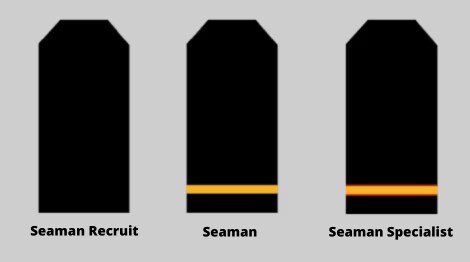
Military ranks in the navy visibly differ from those in the land and air forces not only in the color of the epaulettes, which in this case are black, but also in their shape and in the elements of the designation itself. They are presented as follows:
Private corps
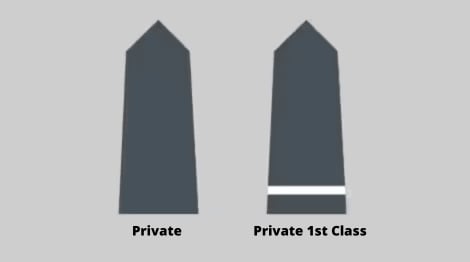
This corps includes sailors, senior sailors and senior specialist sailors. Seaman is the lowest military rank in the Navy and corresponds to the rank of private in the land forces. The military rank insignia of a senior sailor is one bar, and that of a senior specialist sailor is one bar with two red stripes.
Non-commissioned officer corps
It is divided into junior NCOs and senior NCOs. A soldier may be appointed to the first military rank in the non-commissioned officer corps who has passed the non-commissioned officer examination during military exercises, after completing the required military course or training.
Junior non-commissioned officers in the Navy are mat, senior mat, petty officer, petty officer, senior petty officer and junior naval ensign.
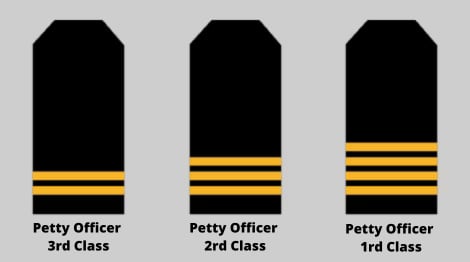
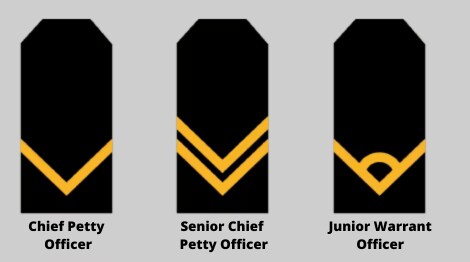
The insignia of the rank of petty officer and chief petty officer are one and two crotches, respectively. The insignia of the rank of junior naval ensign is distinguished by a slice of a circle between the arms of the crotch.
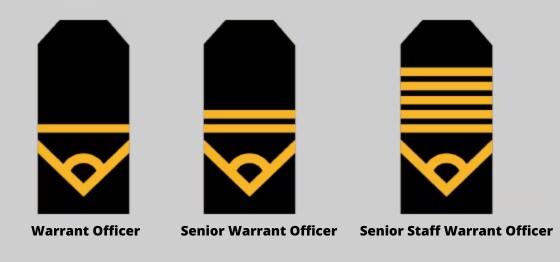
Senior non-commissioned officers include naval ensign, senior naval ensign and senior naval staff ensign. Degree designations are characterized respectively by one, two and five beams above the crosspiece with a cutout of a circle between the shoulders.
Officer corps
It is divided into junior officers, senior officers and admirals. Naval officers can be recognized by the loop on their epaulettes. The first officer rank, analogous to that of the Land Forces and Air Force, is ceremonially appointed by the President of the Republic of Poland.
Junior officers include second lieutenant of the navy, lieutenant of the navy and captain of the navy. They have one, two and three beams, respectively, and one loop on the epaulet.
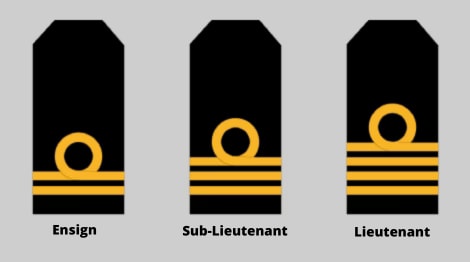
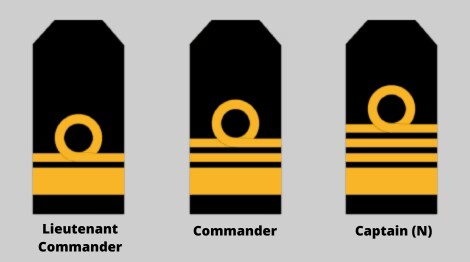
Senior officers include second lieutenant commander, lieutenant commander and commodore. The rank of commander was created in 1921 and is the equivalent of colonel in the Land Forces. A distinctive feature of the rank designations of senior officers is the wide band at the base of the epaulet.
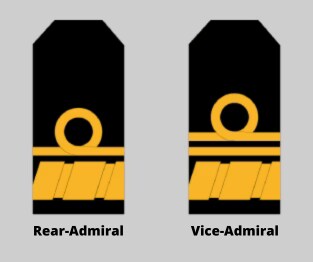
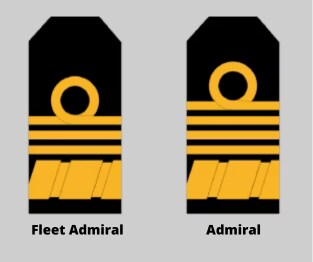
Admiral is the highest military rank in the Polish Navy, and the word itself comes from the Arabic word "Emir el-Bahr," which translates as "Lord of the Sea." Admirals are divided into Rear Admirals, Vice Admirals, Fleet Admirals and Admirals. On military rank designations, the equivalent of the general's serpent is the admiral's serpent, known as the akselbant.
The same division can be presented in the form of a table of military ranks in the navy, taking into account NATO codes.
| CORPUS | DIVISION OF THE BODY | NATO CODE | MILITARY RANK |
|---|---|---|---|
| WIDE |
OR-01 |
Seaman Recruit | |
| OR-02 | Seaman | ||
| Seaman Specialist | |||
| PODOFICERS | Junior non-commissioned officers | OR-03 | Petty Officer 3rd Class |
| OR-04 | Petty Officer 2rd Class | ||
| OR-04 | Petty Officer 1rd Class | ||
| OR-05 | Chief Petty Officer | ||
| OR-06 | Senior Chief Petty Officer | ||
| OR-07 | Junior Warrant Officer | ||
| Senior non-commissioned officers | OR-08 | Warrant Officer | |
| OR-09 | Senior Warrant Officer | ||
| OR-10 | Senior Staff Warrant Officer | ||
| OFFICERS | Junior officers | OF-01 | Ensign |
| OF-01 | Sub-Lieutenant | ||
| OF-02 | Lieutenant | ||
| Senior officers | OF-03 | Lieutenant Commander | |
| OF-04 | Commander | ||
| OF-05 | Captain (N) | ||
| Generals | OF-06 | Rear-Admiral | |
| OF-07 | Vice-Admiral | ||
| OF-08 | Fleet Admiral | ||
| OF-09 | Admiral | ||
| OF-10 | Marshal of Poland |
Where military ranks are placed
The method of displaying and wearing military ranks are precisely regulated by law in the Ordinance of the Minister of Defense of December 14, 2004 on patterns, wearing of uniforms, badges and military insignia and armament by soldiers.
According to this regulation, military ranks on the uniform are worn:
-
on the epaulettes of coats, uniform jackets, Olympic sweatshirts, T-shirts and sweaters,
-
on the sheath placed on the field blouse patch at the height of the chest line,
-
on the right sleeve pocket of field uniform blouses,
-
military distinctions are placed on the left breast level of the exit jacket, windbreaker jacket, pilot's overalls and jacket, pilot's jacket warmer, tanker's overalls and jacket, aviation technician's blouse and jacket, protective clothing jacket and bolster (warmer), exercise warmer blouse.
In the Navy, signs of military ranks on the uniform are worn:
-
on the epaulettes of coats, tank jackets of the workshop and shirt-blouses,
-
on the left sleeve of navy exit blouses, navy half coats, uniform jackets to the rank of petty officer,
-
on both sleeves of uniform jackets from the rank of petty officer,
-
on a sheath located on the field jacket patch at chest line level,
-
military distinctions placed at the left breast level of the exit jacket, windbreaker jacket, pilot's suit and jacket, tanker's suit and jacket, exercise blouse, protective clothing jacket and bolster, exercise warmer jacket and sweater.
It is worth knowing that the rank markings on military jackets differ from those on the epaulettes or chest.
Military ranks on headgear
Headgear is also an obligatory part of the uniform, so military ranks are placed on the beret, fusillade cap, garrison cap and women's, Podhale and Hutsul hats.
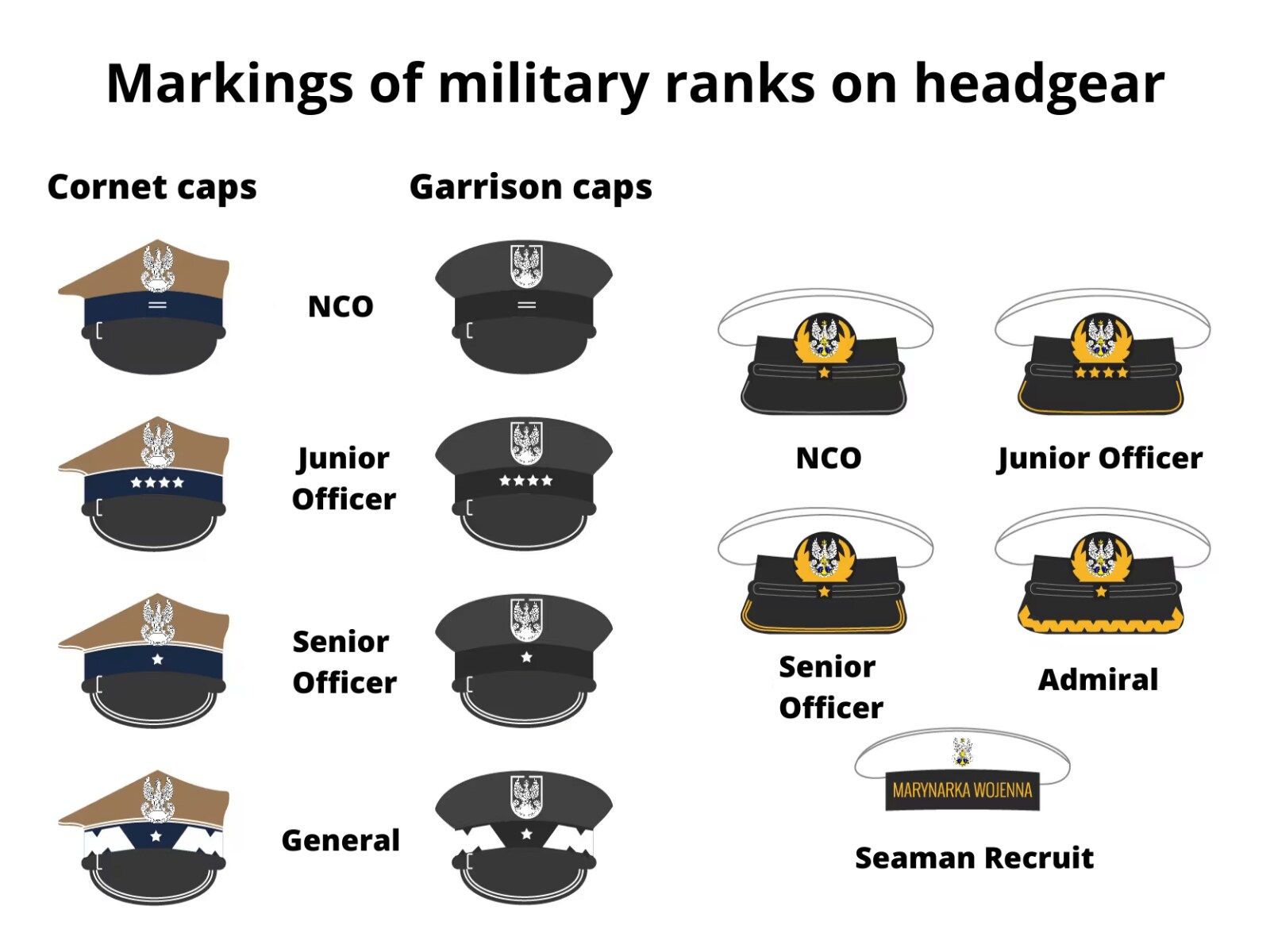
The color of the areola, which indicates the type of troops or services, is also important in the case of cornet caps.
Appointment - who gives military ranks in Poland
Appointment is the basis for establishing an employment relationship applicable to military service. Detailed regulations are not included in the Labor Code, so in Poland there are more than 20 legal acts that treat employment relationships established on the basis of appointment, for various groups of employees. Characteristic in such an employment relationship is that in most cases it is established for an indefinite period of time, the appointing authorities are severely limited in matters of termination, but the catalog of penalties for the employee is much broader than in the case of the liability to which contractual employees are subject. In addition, in the case of an appointment, additional actions may be required, such as taking an oath.
In peacetime, appointment to a higher military rank is made upon meeting certain conditions, and these include:
-
obtaining positive results in military training,
-
receiving a positive service opinion,
-
demonstrate discipline,
-
completion of required courses or training.
In Poland, the military rank of private is given without special conferral to persons called up for the first time for active military service. According to the Decree of the Minister of Defense of April 30, 2010 on the appointment to military ranks:
-
The conferral of higher military rank is made by appointment.
-
The military ranks of privates and non-commissioned officers are appointed by the Minister of Defense or military bodies, which are: Chief of the General Staff of the Polish Armed Forces, Commander of a type of the Armed Forces, Commander-in-Chief of the Military Police, Commander of Garrison Warsaw, field bodies of military administration and other commanders of military units, at least from the regimental level (equivalent).
-
To the first officer rank (second lieutenant) and to the officer ranks of generals and admirals, on the proposal of the Minister of Defense, is appointed by the President.
-
The Minister of Defense appoints to the remaining officer ranks.
In the event of the death of a soldier in active military service, for his meritorious service to national defense, appointment to a higher military rank may take place posthumously. A soldier may lose his rank in the event of loss of Polish citizenship or demotion.
Other military insignia and patches
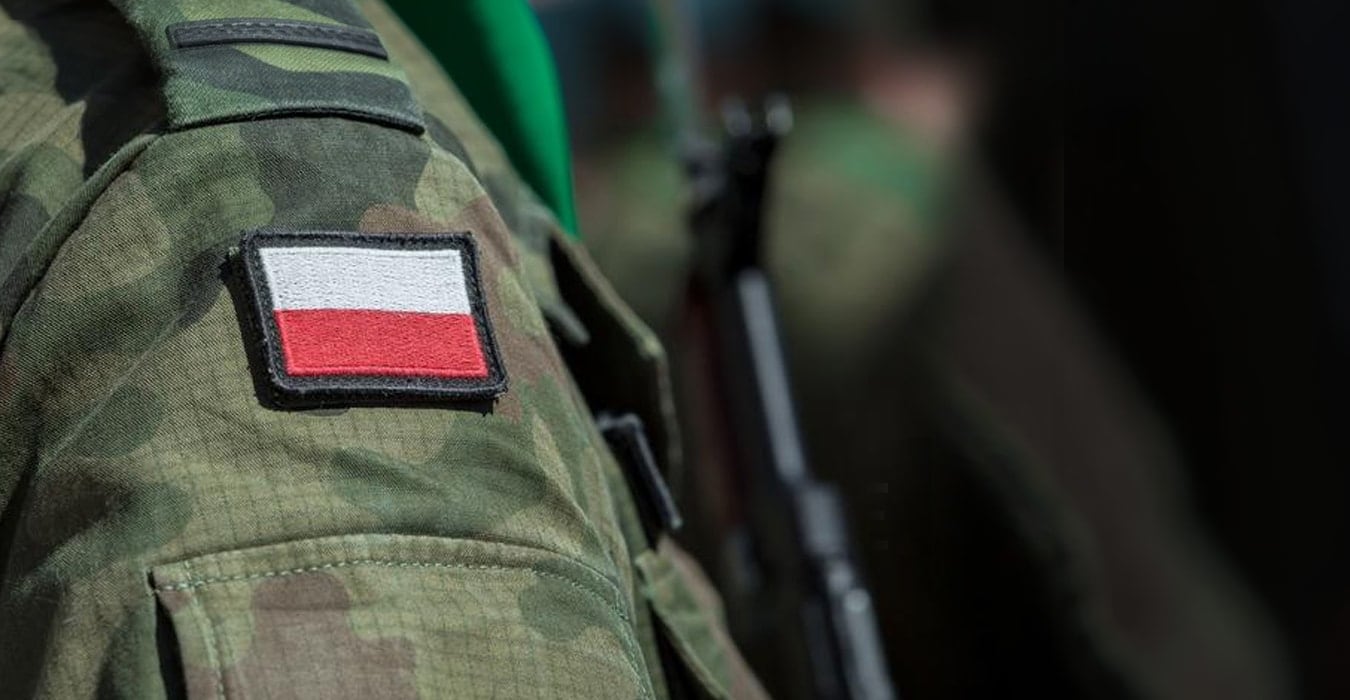
On the uniforms of Polish soldiers, in addition to military insignia and rank insignia on epaulettes or headgear, we can also see national flags (placed on the shoulders above the rank), other military patches and insignia such as ribbons, emblems and corpuscles.
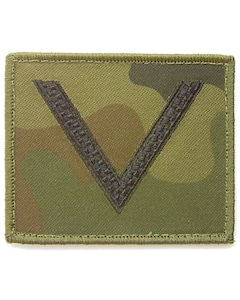
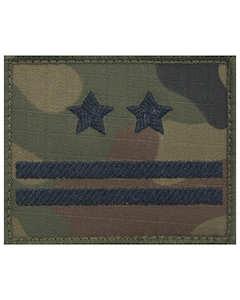
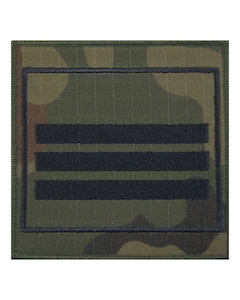

A military barrette is a belt 8 to 10 mm high that soldiers wear on the chest, on the left side of the uniform, most often on gala and service uniforms. They symbolize specific insignia such as orders, medals and commendations and are worn instead of full-length decorations. The width of the ribbon and the design depend on the type of ribbon of the order or decoration to which they correspond. The order of the ribbons is determined according to the seniority of the orders and decorations to which they correspond. The highest ranks are attached highest and from the right.
Corpus caps, on the other hand, are the colloquial name for the insignia of the personal corps in the Polish Army and other uniformed services. Corpus badges on the uniform denote the specialty of members of a particular corps and take the form of small metal badges. Corpus caps are placed on the lapels of gala and exit jackets. Corpus caps are not placed on winter coats, where there is only an eagle on the shoulder along with the unit insignia on the other shoulder.
Another important addition to the uniform are pins and emblems, which can provide information about, for example, formation or national affiliation.