Best sleeping bags for autumn

If you're heading out on an autumn hike, you'll need the right sleeping bag to ensure thermal comfort and a restful night's sleep. Find out what to consider when choosing a sleeping bag for autumn.
Sleeping bags for autumn
Autumn is one of the most beautiful seasons in Poland, characterised by moderate air temperatures with a decreasing daily average, and relatively high precipitation. Average air temperatures then vary between 15 and 5 degrees Celsius. Autumn is also a very good time for a holiday. There are no crowds of tourists, no heat, and the warm and sunny weather can last even until the end of November.
A warm sleeping bag for autumn can prove to be an indispensable companion on numerous trekking tours, weekend trips and other outdoor activities. Without doubt, next to boots and a rucksack, it is one of the most important elements of every traveller's equipment, which will ensure warm and uninterrupted sleep both during an overnight stay in a mountain hut and during a camping trip in a tent. A good quality sleeping bag will ensure thermal comfort even below 10 degrees Celsius.
Which sleeping bag to choose for autumn
The essential function of a sleeping bag is to protect you from losing heat as you sleep, so choosing the right sleeping bag for autumn is one of the key decisions before any trip. Nowadays, the choice of hiking gear and its availability is huge and sleeping bags are of course no exception. It is therefore not surprising that when browsing through the sleeping bags for autumn offered by the shops, we are faced with a tough choice. Therefore, before choosing the right model, it is important to consider in which conditions you intend to camp.
If you are planning a few days hiking in the mountains, with an overnight stay planned mainly in a hostel, a light synthetic sleeping bag with a comfort temperature in the range of approximately 10-18 degrees Celsius will be sufficient. In the case of an overnight stay in a tent, in a shelter or on a hammock under a tarp, thicker synthetic models or sleeping bags filled with natural down will work much better. The weight and compression ratio of the sleeping bag will also be important. When looking for the right model, pay attention to the ratio of weight to the warmth it offers. It is also important that the cover is able to be clipped onto a rucksack or other piece of equipment.


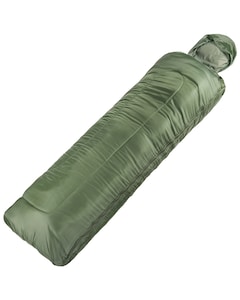
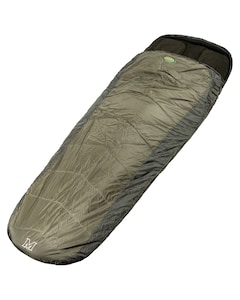
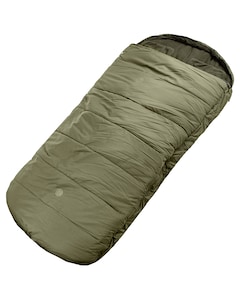
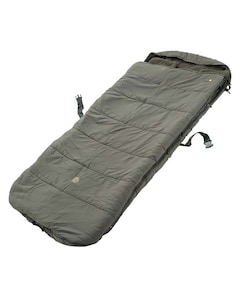
Is a four-season sleeping bag a good choice?
Four-season sleeping bags, sometimes referred to as winter sleeping bags, allow you to sleep comfortably through the night in temperatures reaching as low as -15 degrees Celsius. A good quality four-season sleeping bag should have a drawstring hood, thermal collar and warming strip. This, of course, involves a higher weight in the case of sleeping bags with synthetic filling (average weight is about 1.5 - 2 kg) or a much higher price in the case of sleeping bags with natural down. When considering the purchase of this type of sleeping bag for autumn, it is important to carefully analyse how it will be used.
It is also worth checking carefully in the technical data the temperature of the upper comfort limit (T max), which is the temperature above which the body starts to overheat. While a sleeping bag with a thermal comfort of 10 degrees Celsius will provide us with a warm and comfortable sleep in harsh conditions when sleeping in a tent, it may prove to be too warm when sleeping in a hostel (where the room temperature should be above 18 degrees Celsius).
Check out our general advice on how to choose a sleeping bag.