How to pack Prepper's evacuation backpack?
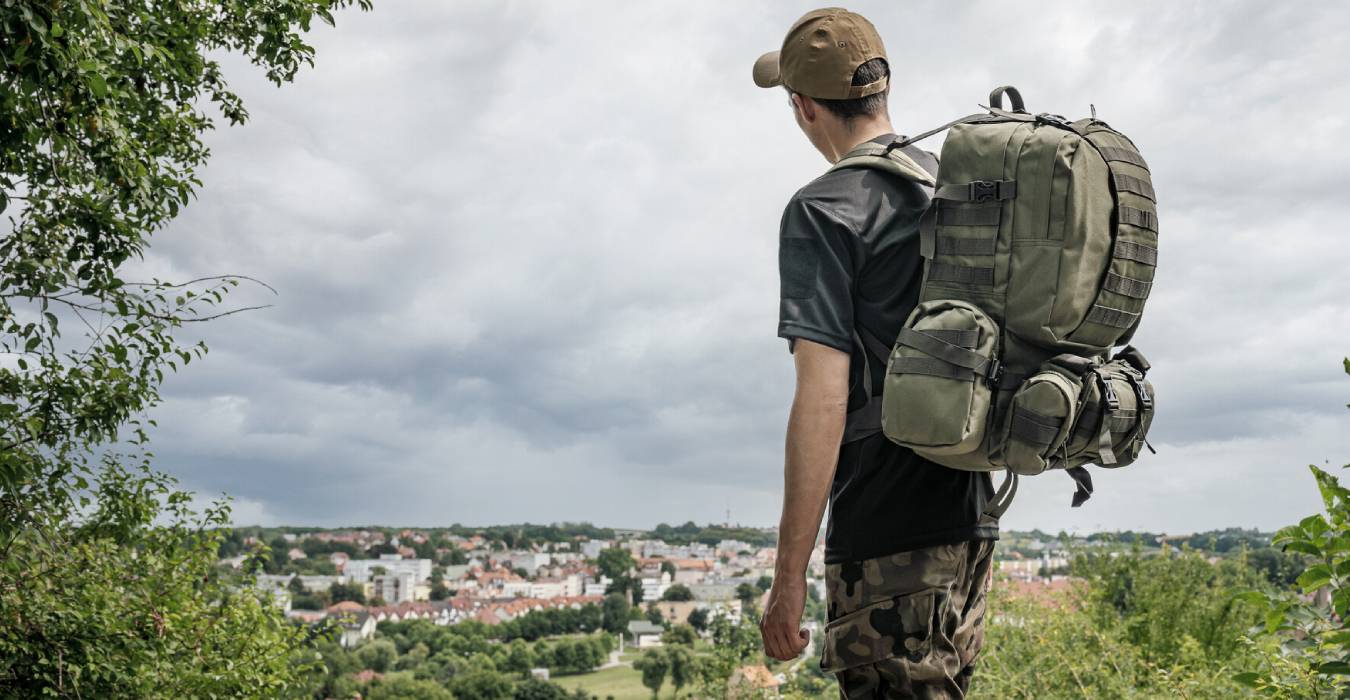
In the ABCs of Preppers advice, we have already discussed the preparations that need to be made should you decide to wait out a particular emergency situation at home. Now it is worth discussing the escape kits that are essential when escaping from a location or residence.
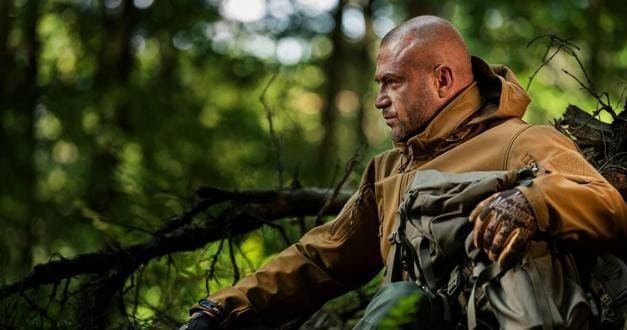
In the event of war, fire, flood or other disaster, it may be that our fortress that we have built up over the years must be abandoned. In such a case, it is important to take with you a pre-created prepper's kit, which will contain all the necessary items needed to survive the journey to a new, safe place. Such a kit is undoubtedly an evacuation backpack.
In the following guide, you will learn how to properly pack an evacuation backpack, which type of backpack will work best and we describe some basic principles to consider when creating your own kit.
What is an bug-out bag?
Let's start with the basics, namely the nomenclature. In the literature, we can come across various terms for this backpack, although they all mean practically the same thing. From the Polish names, this backpack is sometimes referred to as: evacuation, escape or emergency backpack. In English, it is referred to as BOB (Bug-out Bag).
An evacuation backpack is nothing more than a properly packed rucksack or bag that you take with you in an emergency situation. Properly completing a BOB backpack is considered one of the most important aspects of being prepared in the event of a major emergency. This backpack should contain all the necessary items and tools to help keep you and your family safe and self-sufficient for a minimum of 72 hours (after which time we should reach the next shelter).
BOB backpacking principles
1. An evacuation backpack is generally not intended for long-term survival.
2. The BOB backpack should lie packed in a place where we can easily reach it, e.g. in the hall wardrobe.
3. The weight of the backpack should not exceed 15% of the wearer's body weight.
4. Each member of the household should have their own backpack. This will prevent the loss of one backpack from affecting all members of the family.




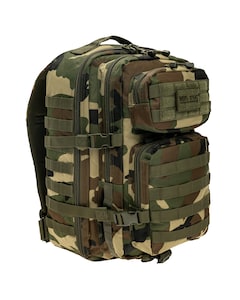
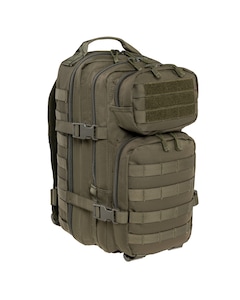
BOB– start with a list
When wanting to create your own escape backpack, it's worth making a list beforehand of the things you think you might need for your trip. It is also a good idea to divide the items into groups so that you can better organise the whole list. What should an escape backpack contain?
Water supply
We should start packing our evacuation backpack by taking a supply of drinking water. We take about 3 litres of water divided into portions of 0.5 litres (6 plastic bottles). In addition to this, water purification tablets and a filter will also be useful. These items will enable us to obtain water from other sources. In addition, it is a good idea to take supplementary effervescent tablets, which will firstly improve the taste of the treated water and also help to replenish the vitamins and micronutrients lost during the march.
Food and accessories for preparing a meal in the field
A good meal will not only provide plenty of nutrients but will also boost the morale of the whole group, so it is worth taking food that is both tasty, calorific and nutritious. Below is a list of products you should pack in your escape backpack:
-
freeze-dried dishes,
-
chocolate and nut bars,
-
dried beef e.g. beef jerky,
-
cans and tinned food (not very much due to the weight),
-
nuts, dried fruit,
-
coffee or chocolate with caffeine,
-
rations, e.g. Seven Oceans
You could also consider packing military rations to provide the necessary calories for survival.
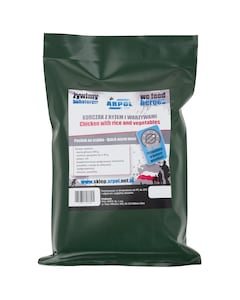
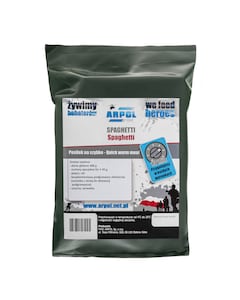


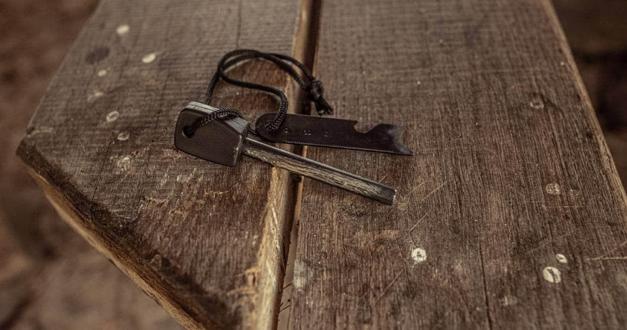
When completing the contents of your backpack, you should take into account the possibility of eating in the field. Therefore, it is a good idea to take along independent fire sources such as a flint, lighter or storm matches, as well as a small, collapsible hiking cooker with a supply of fuel or a gas cartouche. A meniscus, spork or other hiking essentials and a mug are also useful. Keep fire sources, kindling and fuel tightly sealed, e.g. in a ziplock bag to protect them from getting wet.
Hygiene
Along with food, hygiene accessories are one of the most important groups of things to take when creating an escape backpack. Maintaining a good level of hygiene during a long march will avoid painful abrasions and greatly improve your comfort and well-being. In particular, take:
-
several packets of Kleenex (can also be used as kindling in an emergency),
-
a packet of wet wipes,
-
a disinfectant gel that works without water,
-
small quick-dry towel,
-
small soap,
-
A tourist hygiene kit in the form of toothpaste and a toothbrush,
-
toilet paper (folded without a roll to save space),
-
if necessary, feminine hygiene products.
Accommodation accessories
In this section we have included all the items useful for camping and sleeping outdoors. When creating a list of the contents of your escape backpack, you should take into account the current season, although nights can also be chilly in summer. In particular, it is worth taking:
-
sleeping bag or thermal blanket,
-
carrimat or folding mat (insulation from cold ground),
-
hammock,
-
several chemical heaters (these can also be replaced by warm water poured into bottles, previously warmed over a campfire).
Preppers' first aid kit
An evacuation backpack should not lack a fully equipped first aid kit. In this case, hiking models are best, which contain the necessary items for treating wounds on the trails. It is also worth remembering a few extras that will significantly expand the functionality of our kit. A prepper's first aid kit should include:
-
a means of protection against mosquitoes and ticks, e.g. the popular Muggi,
-
medicines used on a daily basis plus additional paracetamol, disinfectants and burns remedies,
-
carbon,
-
a broad-spectrum antibiotic,
-
plasters, gauze, bandages and tourniquets,
-
small scissors, tweezers, safety pins,
-
several pairs of disposable gloves,
-
earplugs,
-
FFP2/3 mask,
-
creams with SFP.
Clothing
When it comes to clothing, we mainly take a change of clothes. Depending on the season, it is also a good idea to pack gloves, a hat, a neck chimney, an extra pair of underwear, thermal clothing and a waterproof jacket such as a softshell.
Light and power supply
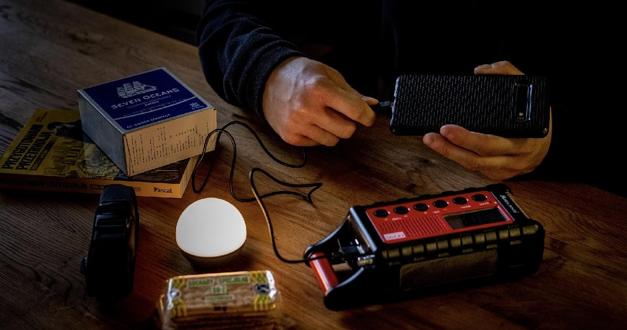
When completing the contents of an escape backpack, it is worth considering the possibility of marching at night. In terms of lighting, it is worth looking at head torches and classic torches that are powered by replaceable batteries or rechargeable batteries that can be charged using a power bank. Our suggestion is:
-
2 torches, including one head torch (powered by replaceable batteries or rechargeable batteries),
-
batteries for torches,
-
2 solar power banks (powered by sunlight),
-
several pieces of the popular lighsticks (chemical lighting).
Connectivity and navigation devices
In the case of a getaway, it is worth considering the issues of communication within the group and the possibility of listening to the latest information. To this end, it is worth taking along:
-
at least 2 radios (one extra for another person in the group)
-
spare phone,
-
analogue contact list, telephone numbers,
-
compass,
-
a map with marked areas and plotted points, e.g. a water intake, a camping site or a hospital,
-
optional GPS device.
Documents and money
When creating your own evacuation backpack, you should not forget such an important thing as scans and copies of your most important documents. We cannot be sure that our home will remain intact while we are away, so it is a good idea to protect yourself against the possibility of theft or damage. In particular, make and pack scans of property deeds, identity card, passport, driving licence, car insurance, home insurance and health insurance. It is also a good idea to include an analogue list of all your most important contacts with your document list. You can store your documents on a memory stick - it's a good idea to additionally password-protect it.
A separate topic is money. In an emergency situation, we may not be able to use a debit card or an ATM, so prepare a certain amount of cash (at your discretion), as well as coins, which may come in handy if you come across food or water vending machines. Coins and cash will also come in handy for petty trading with other people you may meet along the way.
Travel games for children
It's also worth keeping the little ones in mind. If you'll be getting away with the whole family it's a good idea to take your child's favourite toy, as well as travel analogue games to take your mind off current problems for a while and boost the morale of the whole team.
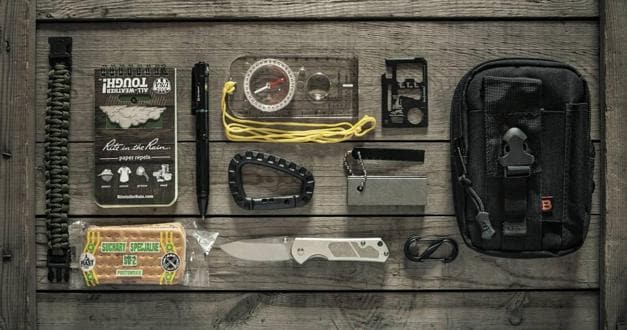
Other important accessories
-
metal canteen (for heating water on a campfire or collapsible hiking cooker),
-
spork or other essentials,
-
knife, pocket knife or multitool,
-
paracord (e.g. for hanging up wet clothes),
-
cable ties (triptychs),
-
tapes: repair and insulation tapes and ordinary tapes,
-
rescue whistle,
-
pepper spray for self-defence,
-
several string bags,
-
notebook, pen, 2 pencils.
Which model of BOB should I choose?
When looking for a suitable escape bag, it is worth considering your own needs and the requirements the backpack is intended to meet. Both the capacity of the rucksack, the number of pockets and the carry system used are important. Below is an overview of what to look out for when choosing a backpack:
Backpack capacity
It can be assumed that an escape backpack should be as big as its contents. Unfortunately, many people go to a certain extreme by accumulating too many unnecessary things in their rucksack, which add to the weight of the rucksack and make it impossible to move quickly or make it difficult to march. When choosing a backpack, it is important to think and plan what will actually be useful during those 72 hours. Models with a capacity of more than 40 litres are the most common choice. Remember that you can never take everything with you, and too much stuff can also attract possible thieves. In addition to a rucksack, it is also a good idea to take a smaller kidney or hip bag, so that if you lose it, some of your equipment will still be with you.
Type and carrying system
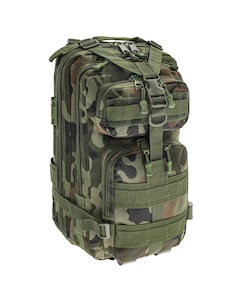
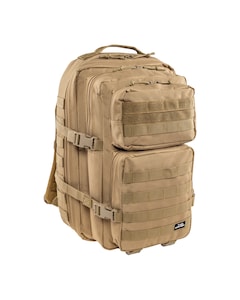
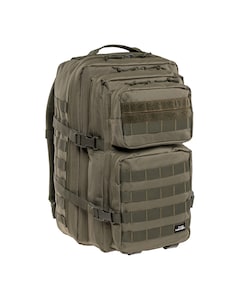
The most popular backpacks are hiking or military models. When choosing a backpack, it is worth paying attention that the backpack is not too heavy and has straps (hip and chest straps) that will improve comfort while walking. A great advantage of a hiking backpack is its capacity, as well as the large number of functional pockets that will allow ergonomic placement of all accessories. On the other hand, military models, which often come in camouflage, will allow you to better camouflage and hide your backpack. These backpacks are also very durable and have a trouser system in the form of straps to which you can attach other equipment.
Offer for Preppers at Militaria.pl
When preparing for a sudden natural disaster, the main focus should be on preparing a stockpile of food, drinking water and medicine so that you can survive the period of recovery and normality. In the Militaria.co.uk shop we have a wide range of survival and prepper products. You will find, among other things, preserved food based on the recipe of the well-known prepper Adolf Kudlinski, as well as many other rations and high-energy snacks. Also take a look at our range of evacuation backpacks, torches, hiking cookers and many other items that will enable you to survive during an emergency.