Everything you need to know to become a prepper
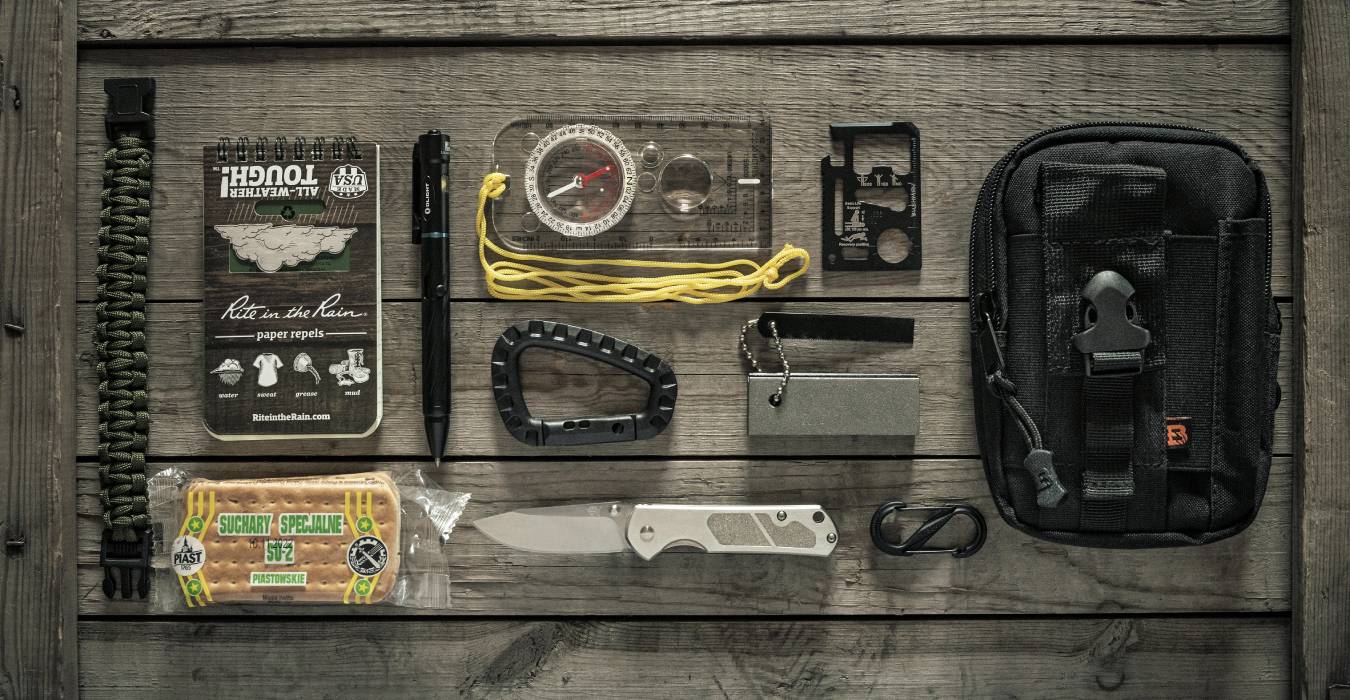
A prepper is a person who prepares in a variety of ways for the arrival of various kinds of crisis situations that may pose a danger to both the prepper himself and his entire family. The most serious risks are mainly: natural disasters, climate change, epidemics, wars, armed conflicts or the collapse of the world financial market. The activities of preppers mainly involve gathering various types of supplies and items that, in the event of a crisis, will enable them to survive and maintain their expected comfort of life. In the following guide, we will suggest which products and items preppers should stock up on in order to be best prepared for crisis situations.
Prepper activities
For preppers, some of the most important goals are to make themselves and their family as self-sufficient as possible, independent of external factors and to gain knowledge about survival, atmospheric phenomena, vegetation or animal habits. Among the basic activities of preppers we can also include:
-
making plans for e.g. evacuation from a place of residence,
-
construction of shelters including: cellars, dugouts and bunkers,
-
education and practice in survivalism and the art of survival,
-
collecting the various types of items needed for survival.
Preppers also train in self-defence, the basics of medicine and build up large stocks of food and water that can keep them safe and relatively comfortable during an emergency.
Plan for different scenarios
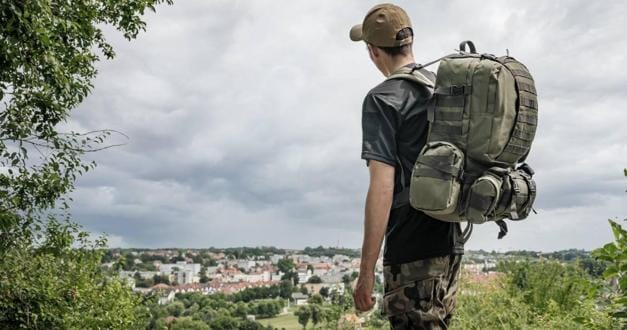
When preparing for crisis situations, preppers assume all sorts of scenarios, for which they make all the necessary preparations. When planning, they consider staying at home for weeks at a time, as well as a sudden and quick escape from their home. Depending on the scenario, preppers prepare supplies or escape backpacks, which they equip with all the necessary survival equipment.
Preppers - what to buy?
Gathering supplies for onsite survival should start with creating a comprehensive prepper list so that you purchase only the necessary items. Money will also come in handy, as well as a suitable place to store your prepared items (pantry, basement, etc.). It is also important to remember to stockpile any supplies during times of peace and stability, so that most of the goods on the list will be widely available at undiminished prices.
Food and accessories for its preparation.
The first group is food and the accessories you will need to prepare it. While it is true that you can survive without food for up to several weeks, your health and fitness will certainly be negatively affected. If you are a beginner prepper, set yourself a goal of preparing a stockpile that will enable you to survive for at least one month. Remember also that the food you stockpile should be well balanced and provide the necessary nutrients and calories. Meals should also be adjusted according to the needs of everyone in the household.
As a first step, it is worth considering what food you intend to source and what food you already have. Make a list of the products you need and go shopping. Choose products with a long shelf life and that you can store easily. You can also refer to the list below.
Medium- to long-term food (shelf life of six months to several years):
-
tinned food, tinned meat, lard,
-
tinned and jars of ready meals,
-
military breads, pygmy breads,
-
preserves,
-
cured, pickled and salt solution-based products,
-
dark chocolate (without milk),
-
spices.
Perennial food (shelf life of several to several decades):
-
loose and dried products such as white rice, pasta, groats, dried beans, rice flakes, maize flakes, muesli, dried peas, cereal grains,
-
dried fruit,
-
coffee, tea, cocoa,
-
milk powder,
-
dried meat (e.g. pemikan),
-
pre-packaged and freeze-dried foods.
Food that does not lose its expiry date:
-
honey,
-
vinegar,
-
salt,
-
sugar,
-
instant coffee,
-
dried beans,
-
maple syrup,
-
strong spirits,
-
maize starch,
-
vanilla extract,
-
frozen fruit and vegetables (not thawed).
Practical tips:
-
remember to follow the FIFO (first in first out) principle when storing and using food products. The goods that arrived first in the pantry should be the first to leave it,
-
choose products that can be easily stored and do not take up too much space,
-
When making your shopping list, it is also a good idea to choose products with high nutritional value and great taste. Don't buy ones you don't like, as a good meal is sure to boost morale during a crisis situation,
-
don't keep all your stock in one place,
-
in times of peace and stability, use up stored stocks and replace them with new ones to avoid out-of-date food. It is also a good idea to learn how to cook and prepare food from stored products and semi-finished products.
Cooking without electricity
In the event of power and gas cuts, you will also need items and fire sources to enable you to prepare food. For this purpose it is advisable to purchase:
-
tourist cooker with gas cylinder,
-
solid fuel tourist cooker,
-
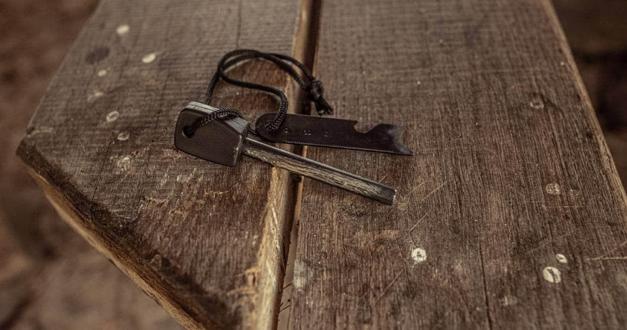
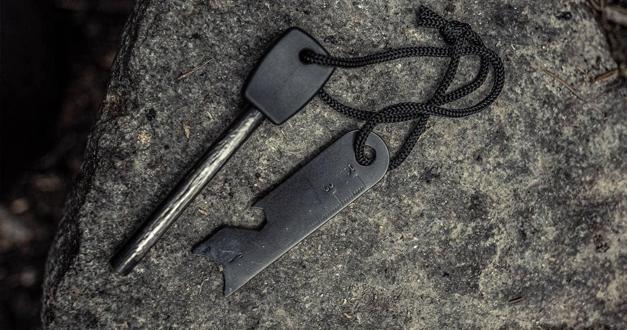
flint for starting a fire,
-
a supply of matches and lighters.
Dedicated items and utensils for preparing a campfire meal will also come in handy, such as:
-
cast-iron boiler,
-
cast iron skillet,
-
grate.
Water and its treatment equipment
Water is among the most important supplies of any prepper. A person can survive for three to five days without water, so it is very important to stockpile adequate amounts. It is best to collect spring water (for drinking) in 5-litre cans or, alternatively, in packs of several so that there is initially enough for about one month. In addition to drinking water, it is a good idea to stockpile water for basic hygiene, washing or flushing. Remember to modify the amount of water according to the number of family members or groups. It is also a good idea to prepare several buckets with which to carry water from the barrels.
Many preppers are also thinking about alternative ways of obtaining water. For this purpose, water filters or water purification tablets that allow water to be consumed directly from lakes or rivers are proving useful. It is also worth collecting 'rainwater'.
Personal hygiene products
In times of crisis, some of the most serious risks are diseases caused by viruses and bacteria. This is why it is so important to maintain a good standard of hygiene. Personal hygiene items that are worth stockpiling include:
-
toilet paper,
-
wet wipes,
-
hygiene products for women,
-
toothpaste and toothbrushes,
-
soaps, shampoos and shower gels,
-
deodorants.
Preppers' first aid kit and medical supplies
In addition to a fully stocked first aid kit, it is a good idea to have a larger supply of medicines at home that you take on a regular basis. In addition, it is a good idea to have painkillers and antipyretics in the prepper's home first-aid kit, e.g. the popular aspirin, which, when taken, additionally thins the blood and can save the life of people, for example during a heart attack. In addition, it is a good idea to have a larger supply of dressings, bandages, sterile gauze and wound disinfectants. Immune-boosting supplements and remedies for stomach ailments are also useful.
Emergency power supply
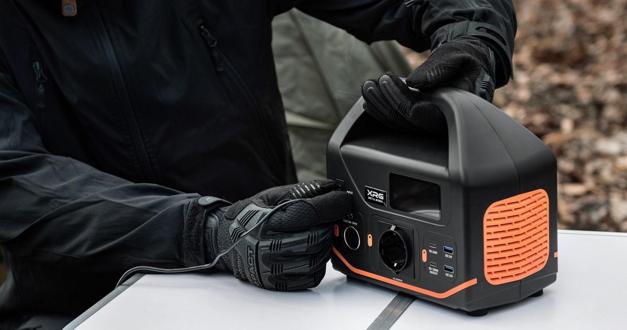
This category will mainly include battery supplies for our appliances, batteries and power banks. A generator or genset is a very good option. It is also worth stocking up on power stations or solar panels to enable you to charge your phone, for example.
Torches and illumination
Also, don't forget a large supply of candles and a few torches. When preparing for an emergency, choose those with high power and batteries that you can recharge with a power bank or portable power station, for example. It is also worth mentioning classic paraffin lamps, which can be an excellent choice for difficult times.
Tools and lighting
It is also a good idea to prepare the right tools that will come in handy when repairing various appliances and working around the house. Among the most useful are knives, hammers, crowbars, axes, spanners, saws and multitools.
Fire and heat
Fire is a very important part of any survival art. It is a source of heat, boosts team morale and allows you to prepare a meal. When preparing supplies, it is worth considering lighters, matches and a flint.
Other useful items
Other items worth collecting include:
-
repair duct tape,
-
plastic bags - small and large,
-
various types of tarpaulins,
-
cereal grains,
-
ropes of various lengths and strengths,
-
sunscreen (with SFP),
-
insect and tick repellents,
-
surface and hand disinfectants,
-
alcohol, which can serve as a medium of exchange,
-
fishing equipment,
-
bows and a supply of arrows,
Offer for preppers at Militaria.pl
You already know which products and items preppers should stock up on. It is worth adding that activities such as making preserves from seasonal fruit and vegetables or rational management of the household budget are also part of prepping. It is worth using all the skills and possibilities at our disposal to build our own security. We also encourage you to pay attention to the offer of the Militaria.pl shop, where we offer a number of items which may prove indispensable for survival in an emergency situation. Among them, it is worth mentioning long-term food, field cooking accessories, torches, multitools, knives and many others.