What is a fire striker and how does it work?
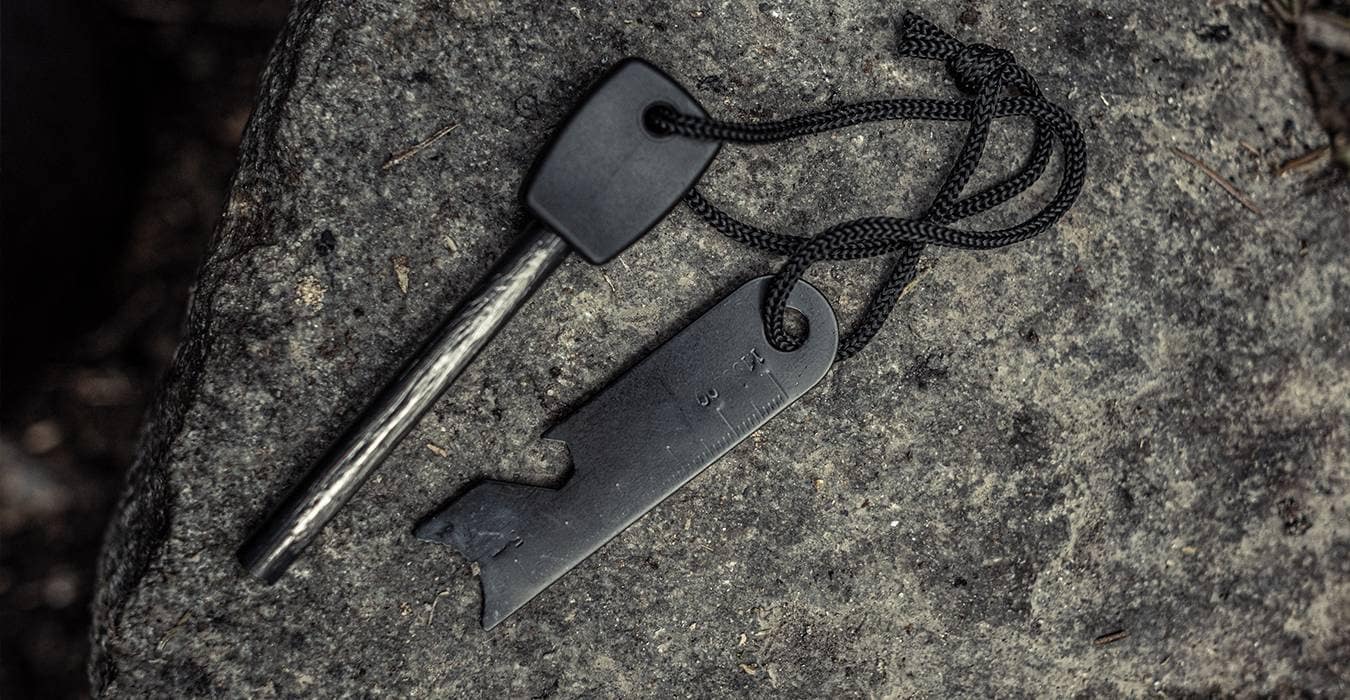
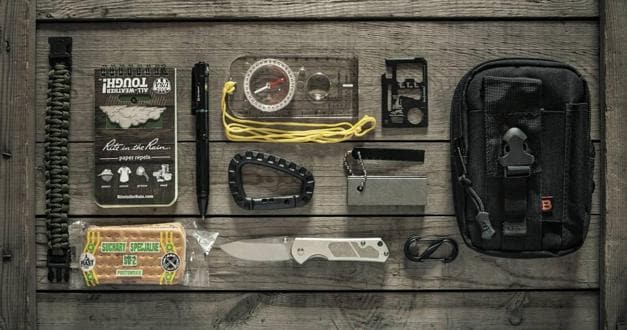
The fire striker is mainly associated with hiking and bushcraft, but this was not always the case. It is worth knowing that it was widely used long before the invention of matches and lighters. Nowadays, due to the growing popularity of flints again, more and more questions have begun to arise about their construction and how they work. In the following article we will explain: what is a fire striker, how does it work and point out the differences between the two popular types of fire striker on the market. When composing your own survival kit, it is worth remembering the fire striker. This tool is one of the most popular for bushcraft expeditions, survival trips or simply as an addition to everyday EDC gear.
What is a fire striker?
The fire striker is a tool used to chair and light a fire, which is a source of heat and allows you to prepare a meal during survival expeditions, camping, camping, as well as in an emergency situation. The chair is valued mainly for its high durability, reliability and very long life span reaching up to several thousand uses. It is also characterized by complete water resistance, which makes it successfully used instead of traditional matches or a lighter (especially during demanding bushcraft-survival expeditions).
How does the fire striker work?
In answering the question of how a fire striker works, it is necessary to start with the very material used to make it. Currently, there are several types of flints. The following are divided according to the metal alloy used. These are:
-
traditional (blacksmithing) fire striker,
Traditional (blacksmith's) fire striker
Traditional fire striker, also known as blacksmith's chairs, were commonly used to start fires from the Iron Age until the first half of the 19th century, when matches were invented. Manufactured by a blacksmith from hardened, high-carbon steel, they were usually shaped like a molded bow about 50 mm wide and a maximum length of 15 cm. Chairs forged in this way were comfortable and ergonomic, allowing for a firm grip when working with the tool. The fire striker was struck against a chair (a rock of high hardness, such as fire striker), which caused pieces of metal to break off from the fire striker, which, thanks to their high carbon content and the high temperature created by the friction, burned on contact with oxygen. Sparks were tried to be directed at a previously prepared hubka (a flammable material in the form of, for example, a powder made from arboreal mushrooms). Once the embers were created, they were transferred to another previously prepared material and ignited in this way.
Ferrocerium fire striker - construction
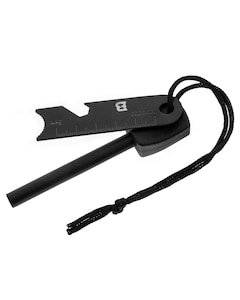
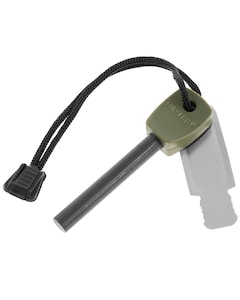
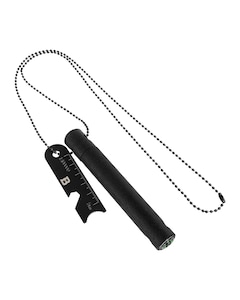
The ferrocerium fire striker belongs to the group of contemporaries. Its design is based on a rod and an ergonomic handle. A transport rope or a sparking rod is also an uncommon addition. The rod is made of a metal called ferrocerium, an alloy originally composed only of cerium and iron. The ferrocerium that is now used in fire striker is a heavily modified version of it. This happened because ferrocerium is a metal alloy with very strong pyrotechnic properties and burns when it comes into contact with oxygen. So they began to enrich the mixture by adding other types of metals, such as lanthanum, neodymium, praseodymium and magnesium. Thus modified, it found its way into a great many products, including the flints discussed today.
Ferrocerium fire striker - how does it work?
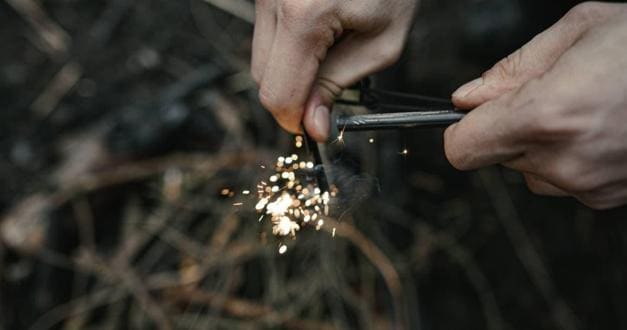
The ferrocerium fire striker by vigorously abrading the metal with the help of the sharp edge of the sparking rod. By doing so, the cerium contained in the rod oxidizes by rubbing and self-ignites. The burning cerium provides energy to ignite the iron particles, which, in the form of many sparks with temperatures reaching 3000°C, fall on the previously prepared kindling, setting it on fire.
Worth knowing: ferrocerium was invented in 1903 by Carl Auer von Welsbach. The Austrian scientist invented it by accident while he was researching rare earth metals. He also boasted the invention of the filament for lamps and the tungsten spiral for electric-powered light bulbs.
Magnesium fire striker - how does it work?
Magnesium fire striker are a development of ferrocerium models. They get their trade name from the manufacturers' use of magnesium in the form of a magnesium block attached to the fire striker, which can make it easier to light a fire thanks to its pyrotechnic properties. How does a magnesium fire striker work?
After the magnesium shavings are scraped off the block or rod with a sparkler, the back of a knife or any other sharp-edged tool, one proceeds to strike sparks on the previously accumulated shavings until they are set on fire. Then another fire starter, such as cotton wool or birch bark, is placed on the glowing magnesium shavings. Due to the very high effectiveness of magnesium, these chairs are considered reliable, convenient to use and very practical. They make it possible to light a fire in difficult conditions such as heavy rain.
A common addition to the fire striker is also a sparking device - usually in the form of a steel plate with a serrated tip. Interestingly, in the case of ferrocerium and magnesium models, the role of the spark gap can be played by any piece of material (not necessarily steel) with a sharp or rough edge. This material should be harder than the flint itself.


Summary of information about fire striker
In conclusion, the fire striker is a good addition to the equipment of every survivalist and bushcraft enthusiast because of its reliability and ability to be used in many situations. It allows you to light a fire so you can prepare a warm meal and keep warm in harsh weather conditions. In the age of gas lighters, it is also a good alternative as an emergency fire source when you plan to spend more time in the field or go camping. Many of those currently in production also come equipped with practical survival accessories, such as a compass or whistle, to help you survive in an emergency.
Keep in mind, however, that when using a fire striker, you should always maintain safety standards and choose only sites for campfires. In windy summer weather, the risk of starting a fire increases.
Learn more about fire flint techniques in the article: How to use a fire striker