How to use the fire striker?
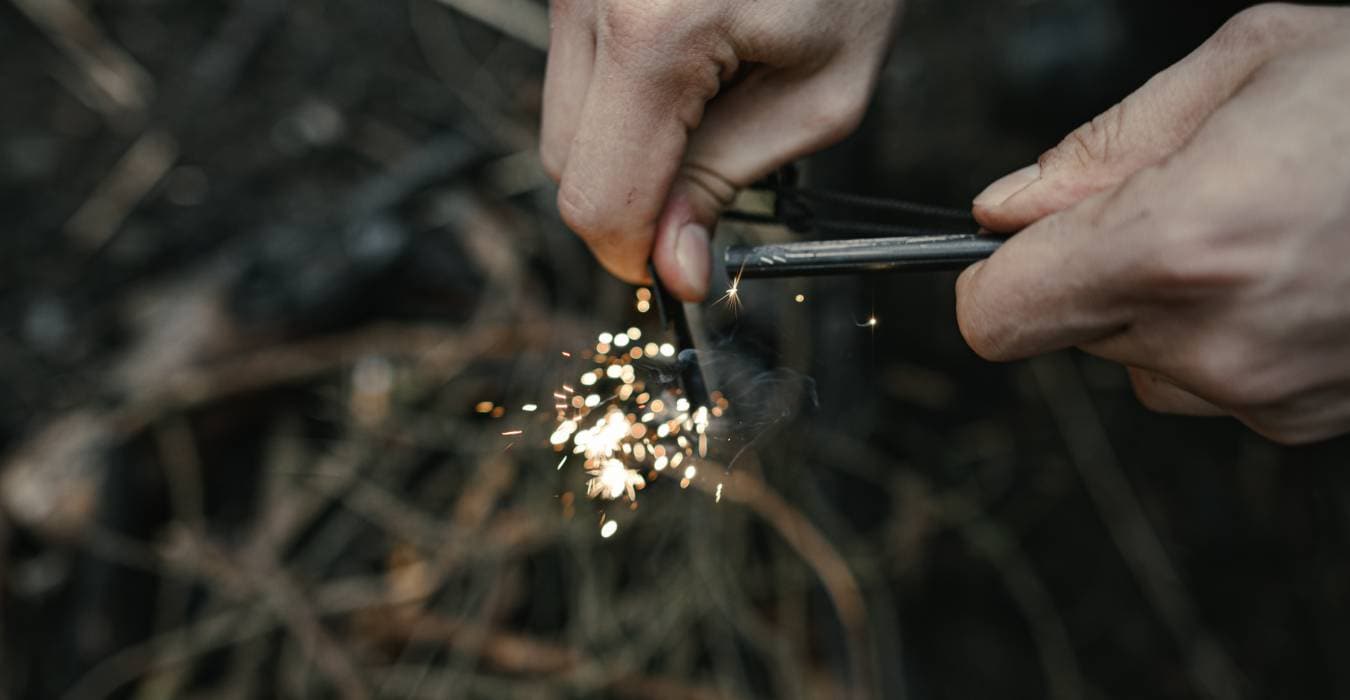
The correct use of a fire striker sometimes causes difficulties not only for beginners, but also for more experienced outdoor enthusiasts. Buying the right tool is only half the battle on the way to starting a fire - you still need to learn how to use it properly. In this article, we will explain how to start a fire with a fire striker, as well as point out various techniques for using this tool correctly so that it is effective and completely safe.
An electric torch is counted among the basic items of EDC (Every Day Carry) equipment. With its help you can light up, for example. gas stove, tourist or campfire, which is a source of heat and allows you to prepare a meal away from home. The chair is valued above all for its reliability, durability and total resistance to getting wet. All these features make it perfect not only for camping, but also for emergency situations.
Lighting a fire with a fire striker - how to light a campfire without matches or a lighter?
Lighting a fire without the help of matches and a lighter is one of the fundamental skills that every bushcraft and survival expedition enthusiast should have unlike matches or lighters the fire striker works even in rainy and windy weather. In addition, the number of kindlings with a single fire striker is even several thousand, making it a much more durable and long-lasting tool compared to a classic lighter. In addition, its operation is most often dependent on gas or gasoline, which we are not always able to obtain, especially away from home or civilization.
It is worth knowing that the spark obtained by abrading the fire striker has a temperature close to as much as 3,000 ° C, but the fire striker itself is not the source of the flame and needs kindling (hub) to start a fire. What kind of kindling will work best for starting a fire with a fire strikert? How to light a campfire without matches or a lighter?
Types of kindling
We can divide kindling into artificial and natural. Regardless of which one you decide on, you should always make sure that it is as dry as possible, so that you can quickly get a flame. Therefore, before traveling, the kindling should be properly protected from accidental wetting. A good practice is to pack it in, for example, a string pouch, and in the case of soggy natural kindling - carry it close to the body.
Artificial kindling
When going on a planned expedition, we can take with us some commonly available items that will work perfectly as kindling and help us light a campfire with a fire striker. These include:
-
wadding,
-
tissue,
-
sanitary swab,
-
tissue paper,
-
tampon.
Expert Tip: When dealing with paper, tissue or cotton balls, it's a good idea to delaminate the material beforehand, which makes it much easier to ignite.
Natural kindling
Most of the above-mentioned items are commonly available at home or in stores. But what if we find ourselves in an emergency situation and do not have any pre-prepared kindling with us? While in the woods, in the mountains or at the lake, we have a great deal of opportunities to obtain the necessary kindling for lighting a fire ourselves. It can be found practically everywhere. Just follow the rule that the finer and drier the material, the better. Among the most popular and also the most recommended natural kindling are:
-
birch bark,
-
dry grass tops,
-
dry splinters from broken trees,
-
broken, dry sticks,
-
fluff (e.g., from water club or blowpipes),
-
resin (e.g., spruce).
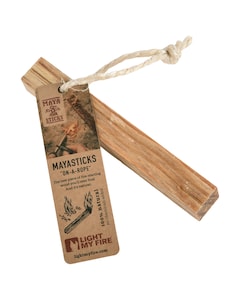
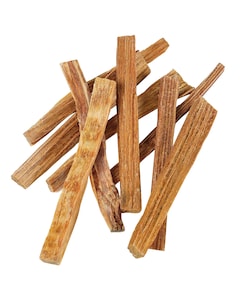
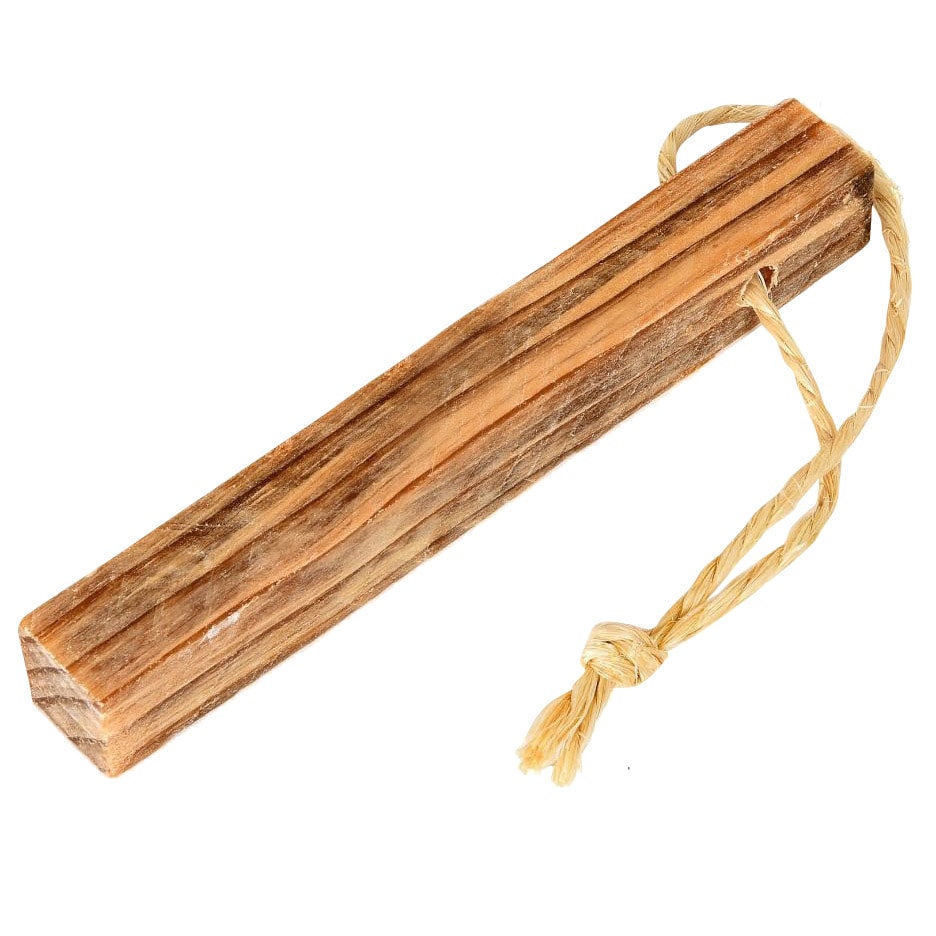
While in a wooded area, you can also find so-called tarry wood chips, which are resin-soaked fragments of wood from coniferous trees. This is one of the best and natural fuels that are in the forests. They can be obtained from dried branches growing just above the ground. The most resin-soaked fragment is located a few or several centimeters from the trunk. Tarry stubs can also be obtained from the roots of fallen trees or splintered from the stumps of felled trees. Tar stumps with a high resin content can also be found in our store.
A widely available natural kindling is birch bark, as this tree is found in very large quantities in the forests of Poland and other European countries. Using it has many advantages. The most important of these is the ability to light a fire with a fire striker all year round and in any weather, including cold temperatures. We obtain kindling from birch bark by grinding and peeling it from the outer layer of the bark.
Expert advice: When choosing the right tree, pay attention to the condition of the bark, because with some birch trees we can easily tear off small top pieces of bark (which would fall off over time anyway) without creating damage to the tree. Bark can also be harvested from dead trees.
What not to use to start a fire with a fire striker:
-
dry leaves,
-
wet, soggy grasses,
-
chemical kindling, intended, for example, for barbecues.
Types of spark arrestors
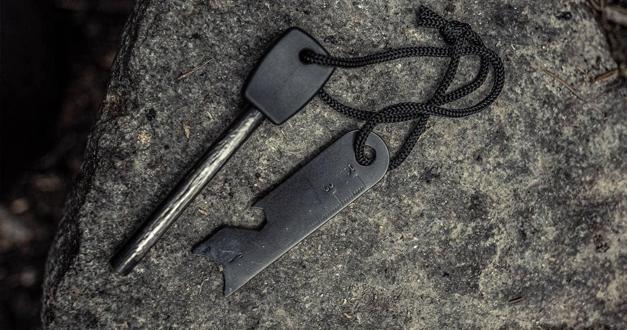
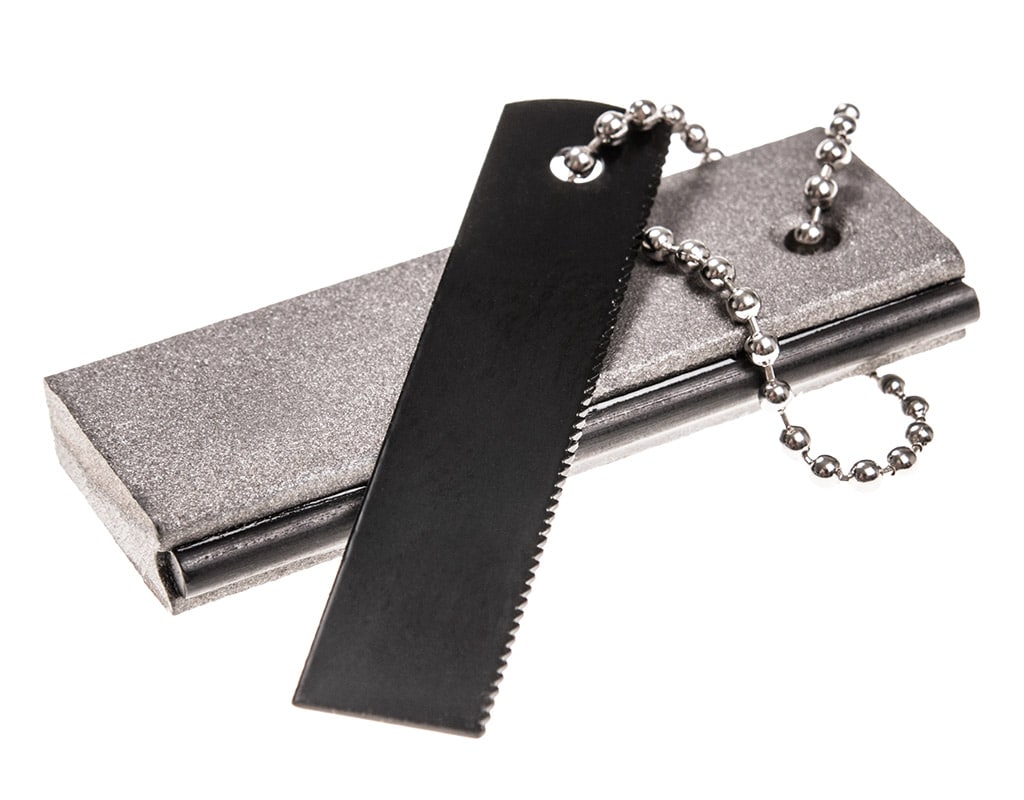
Having a properly prepared place for a campfire, a hub and a fire striker, we can proceed to fire striker sparks with the help of the so-called "sparkler". It is worth knowing that most of the fire strikers available on the market are already equipped with it - usually in the form of a steel plate with a serrated edge. Properly sharpened and shaped, it has the task of abrading the rod.
What if the spark arrestor is lost or missing? Fortunately, its role can be performed by many other items such as:
-
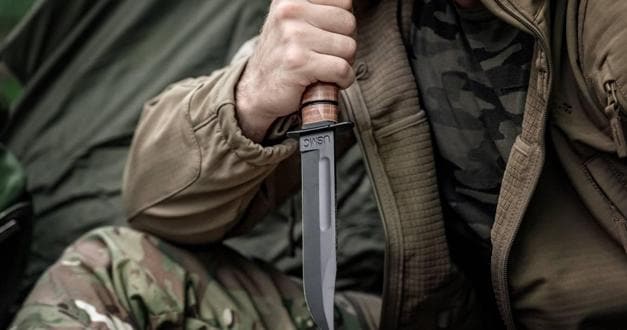
back knives,
-
key,
-
file.
In synthetic and ferrocerium firestarters and magnesium, the role of the spark gap can be played by any object (not necessarily metal) with a sharp or rough edge. The most important thing is that the object should be harder than the fire striker itself.
Techniques for using a fire striker
fire striker - how to use to make fire starting effective? In general, there are two basic techniques for starting a fire. The first way, recommended especially for those who are new to bushcraft and forest camping, is to apply the sparkler to the fire starter at a 90-degree angle. You make the fire by dragging the fire striker along the top edge of the immobilized sparkler, and the falling sparks fall on the kindling, setting it on fire. The second method involves placing the fire striker rod at a 45-degree angle, so that the tip touches the kindling. In order to maintain the correct angle, the fire striker should be rested on something stable, such as the tip of a shoe or on a branch. Once the fire striker is stabilized, begin to strike sparks, making vigorous movements from the top to the bottom of the rod. The sparks, falling on the previously prepared hub, will set it on fire.
The biggest benefit of using the first method is that it minimizes the risk of knocking down the kindling during flinting.
How to use a magnesium fire striker?
A slightly different use of magnesium firestarters. It differs from ferrocerium models in the use of magnesium in the form of a block attached to the fire striker. Magnesium is a flammable material, making it ideal as a hub additive.
How to use a magnesium fire striker?
First, a small amount of magnesium block should be crushed over the kindling. This can be done either with a spark thrower or another sharp tool. Then you should start flaring sparks, trying to direct them at the magnesia chips. Once the filings are ignited, pile more layers of flammable material until a bonfire is formed.
Expert Tip: In case of harsh weather conditions (high winds or rain), it's a good idea to scrape some of the material from the fire starter fire striker before starting the fire, which will make it easier to light a campfire.
Safety when using the fire striker
How to light a campfire with a fire striker so that it is safe? When lighting a fire, it is important to remember some important safety rules. Following them will ensure that you minimize the risk of fire and do not hurt yourself.
1. Stay safe when flaring sparks
When lighting a fire with a fire striker, keep the tool close to the ground. Kindling sparks near 3,000 degrees can easily burn a hole in clothing.
2. Find a place sheltered from the wind
One of the most important rules when lighting a campfire with a fire striker is to find a suitable place sheltered from the wind. Since wind-blown sparks could start an unintentional fire nearby, you should choose a place sheltered on several sides. A good practice is to dig a small pit in which to start kindling with a fire striker. It is worth adding that simply trying to start a fire in the wind will be much less effective. Strong winds can also blow away kindling or abraded magnesium.
3. Do not light a fire in places where it is prohibited
According to the current Forest Law, it is prohibited to start a fire in forest areas, mid-forest areas and within 100 meters of the forest boundary, under penalty of a fine, arrest or reprimand. The exceptions to this are places designated by the forest owner or forester. Thus, according to the law, bonfires should only be lit in designated places. Fortunately, state forests are increasingly creating suitable sites due to the growing interest in bushcraft.
For more on the types of fire strikers, see the text: What is a fire striker and how does it work?