What is survival? - basics of the art of survival
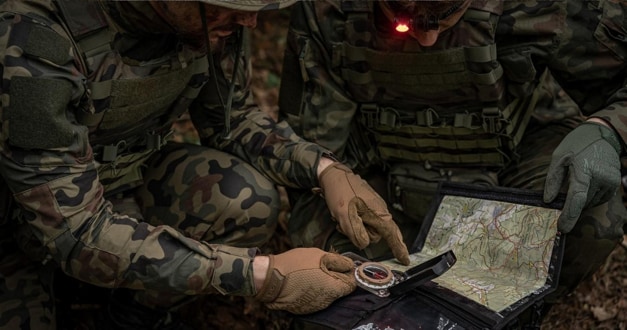
Survival is the art of surviving in conditions that require us to be resourceful, determined and adapt to our surroundings. It combines knowledge and skills that come from a variety of disciplines. Pursuing activities in the art of survival can be both a way to protect oneself from various types of danger and an interesting hobby.
If you are wondering what exactly survival is and how to prepare for an expedition, then read our article. In the content you will also find information about prepping and bushcraft. You will find out what they are and whether they differ from the art of survival.
Survival basics - how to survive in difficult conditions
Survival has many definitions. It can mean, for example, survival or the art of survival. Survival consists of behaviours and skills that make it possible to survive in crisis situations - when one gets lost in the mountains, the forest or in more serious situations such as war, a pandemic or a natural disaster. In other terms, survival is seen as a 'self-rescue' skill or as a survival school.
Survival encompasses many areas, and mastering it allows you to adopt the right attitude - survivalists are able to both adapt to the conditions and adapt the environment to their requirements. These adaptive skills allow them to survive surprising situations where they suddenly lose access to basic resources and tools.
Survivalists make it their goal to protect themselves and their social and natural environment. Although those who have mastered the art of survival in harsh environments are often associated with lone wolves, this is not a rigid rule.

Survival areas
In the art of survival, three areas must be mastered, which include:
| KNOWLEDGE | SKILLS | EMOTIONS |
|---|---|---|
|
A broad area that can include learning about plant species and what they do (for example, knowing what is edible or medicinal), recognising animal tracks, identifying geographical directions, determining from the height of the sun how much time is left until dusk. |
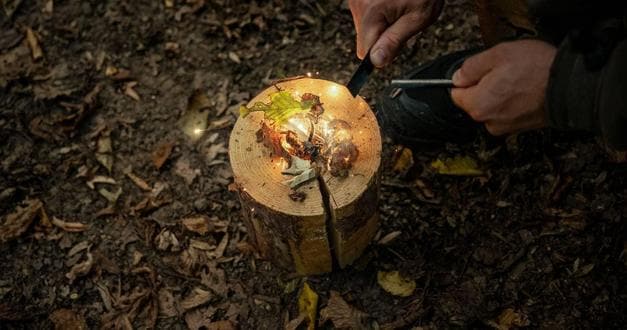
An area that focuses on mastering practical and useful skills. This area may include making a fire, operating a compass, building a shelter, hanging a hammock, treating water, etc. |
This area focuses largely on mastering strong emotions and stress. Survival often requires remaining calm, overcoming anxiety or taking deliberate action. It is very important not to give in to impulses or fears. |
Practical skills combined with the right knowledge and thoughtful actions allow you to adapt even to extreme conditions and wait out crisis situations — such as blackouts or natural disasters.
What type of survival is for you?
There is a common perception (largely based on American pop culture) that survivalism requires making "something out of nothing" like the famous MacGyver or covering yourself in mud to survive like Arnold Szwarzenegger in "Predator". While such skills and activities are certainly impressive, survivalism is closer to scouting. The main idea is to learn the skills to survive a crisis time away from home. Just as in scouting, you should be able to make a fire, map out a route using a compass or build a shelter.
Survival can be divided into three main varieties:
| Type of survival | Characteristics |
|---|---|
| Military or paramilitary survival | With its equipment or procedures, it resembles a kind of military training. This type of survival training can include sanitation, communication or shooting training. |
| Green survival | It focuses on skills to cope in the forest (making fire, fetching water, building shelter are important). |
| Urban Survival | This type of survivalism emphasises survival in urban structures, with a focus on social skills. |
It is also worth mentioning that it is not always about rigidly acquiring the skills to cope with extreme situations, away from civilisation. Survival is also a form of leisure in nature, recreation, a way to improve physical fitness or a form of advanced tourism.
How do you prepare for an expedition? Survival equipment
Choosing equipment for a survival expedition is a subjective decision, as everyone's needs are different. However, there are items that provide a certain basis and make it easier to deal with various emergency situations. Below, you will find a selection of our suggestions to include in your survival gear list:
-
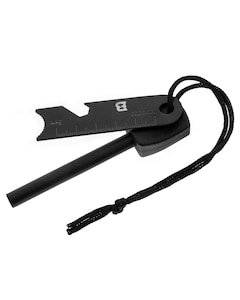
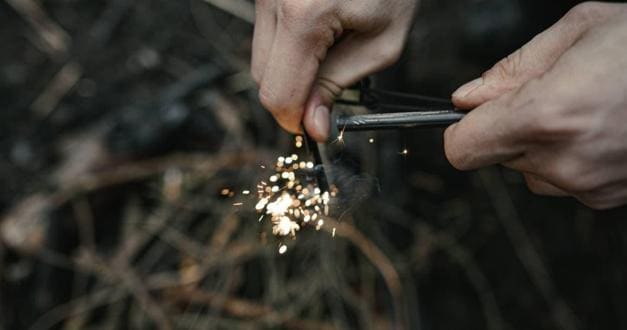
firestarter (alternatively matches, lighter),
-
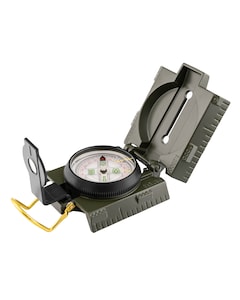
compass and map,
-
a supply of regularly taken medication,
-
first aid kit and commonly used medicines (e.g. analgesics, anti-inflammatories, fever reducers, calcium),
-
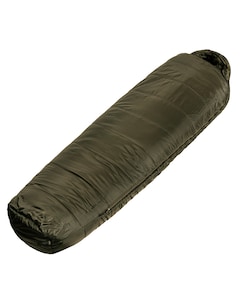
accomodation accesories (for example tarp, sleeping bag, carrimat),
-
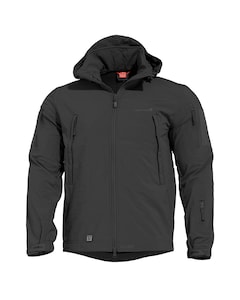
suitable clothing,
-
long-term food (for example military food rations, dried food, freeze-dried food, energy snacks).
The above list is just an example. Complete your survival kit with the items you need.

Survivalist versus preppers - what's the difference?
Survival is very often confused with prepping. Because of the overlap in skills required, survival and prepping can be conceived of as similar activities. And, more importantly, survival skills will be very useful in prepping.
Where does prepping come from? It is a kind of life philosophy, based on observation of reality. There is no denying that we live in dangerous times, and preppers spot the signs of danger earlier than the average person. Man is causing more and more degradation of the planet, and thus more and more natural and civilisational disasters are occurring. Preppering is preparedness for these and other threats. By getting closer to nature, they learn to abandon the civilised solutions and conveniences to which we are accustomed, which may at some point be lacking. Preppers become self-sufficient, ready to survive by relying only on themselves - their knowledge and skills.
The main goal of preppers is to survive in their own home, although they also do not overlook the important elements of learning to survive outside their own four corners. Several factors are important in being a prepper:
-
Independence — preppers should be self-sufficient.
-
Stocks — gathering adequate food, power generators, etc. is a key element of survival.
-
Survival — the ability to organise shelter in the proverbial wilderness allows you to survive most dangerous and adverse situations.
-
Physical condition — adequate bodily fitness is equally important. When means of transport and machinery fail, it is important to be able to do without them.
-
Saving — allows one to be aware that all resources are finite. One needs to be able to plan resource management appropriately to enable survival.
All of the above allow preppers to achieve what it means to be a prepper — being prepared for any situation.
For more information on prepping and preppers, see our article What are preppers?
Bushcraft versus survival - differences
Just as often, survival is confused with bushcraft. Bushcraft can be conceived of as recreation in nature, but when, in the course of reuniting with nature, the bushcrafter finds himself in a situation that could endanger his health or even his life, bushcraft can become survivalism.
Bushcraft, like prepping, can be called a philosophy of life. However, like survival it focuses on wilderness survival skills. What distinguishes bushcraft from survivalism and prepping is the total reliance on nature and the simplest of tools.
As well as surviving without the comforts of civilisation, bushcraft is about union and contact with nature. A person engaged in wild crafts should assimilate primitive techniques such as making fire and building shelter. Equally important is also the psycho-physical development, the acquisition of survival skills and techniques necessary for survival.
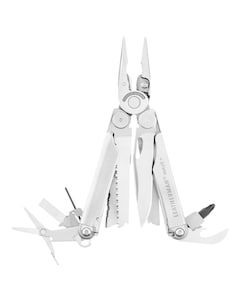
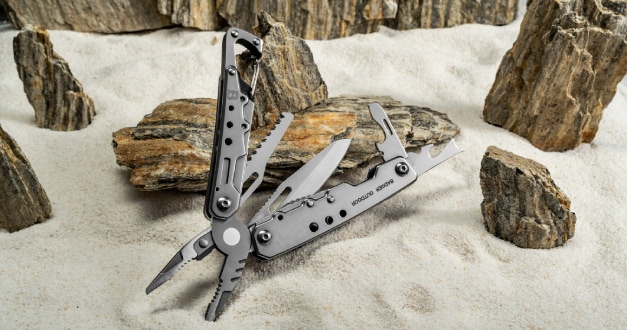
Over time, bushcraft has split into two strands: traditional (reconstructionist) and modern. The former assumes mastery of human knowledge from the Stone Age to roughly the beginning of the 20th century. The modern branch is closer to survivalism - standard bushcraft techniques are enriched with modern equipment (e.g. sleeping bag, clothing with membrane, multitool or torch).

Offer for survivalists in the Militaria.pl shop
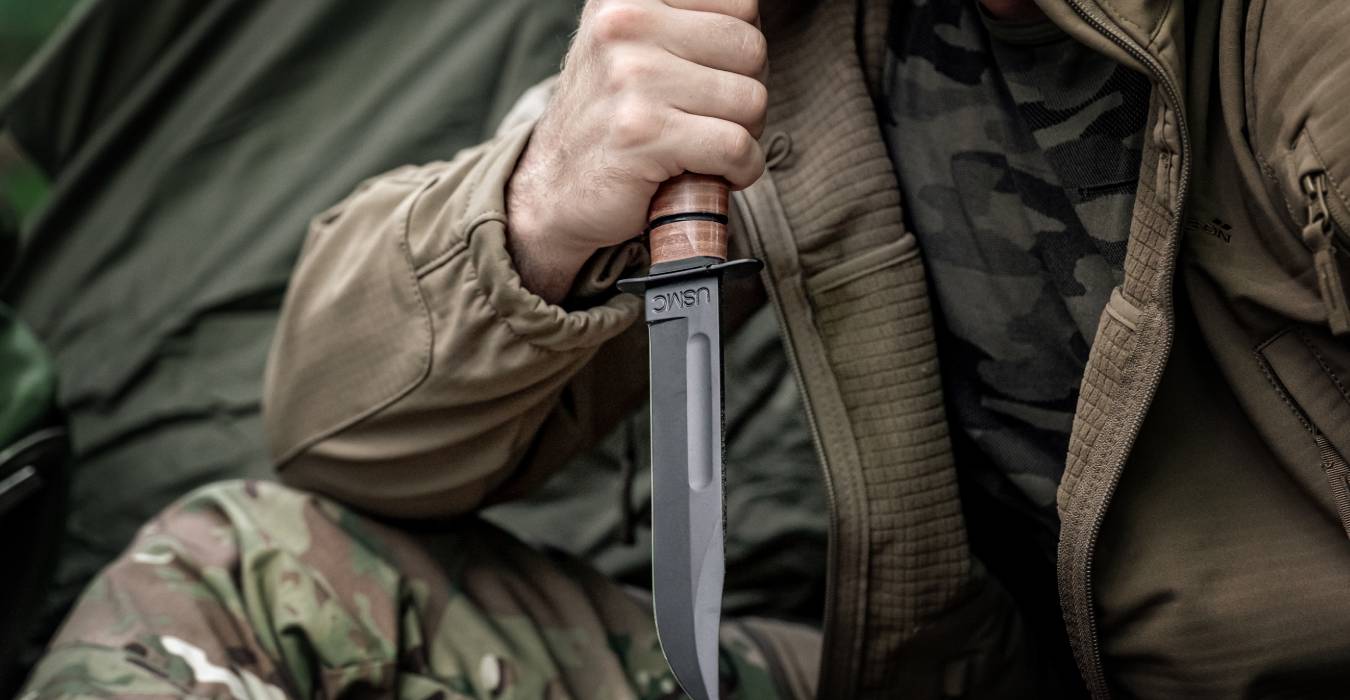
After reading our article, you already know what survival is and how to prepare for a survival expedition. Regardless of whether survival is for you a form of recreation, a test of your abilities, acquiring skills necessary to survive extreme situations or a way to experience adventure - you will need specific equipment. You can find survival gear in our extensive survival, bushcraft, tourism category. Amongst the range available are: flints, knives, canteens, as well as many other items to help you survive in difficult conditions. We also recommend that you read our other survival texts, from which you will learn, among other things, how to choose a sleeping bag for the season or how to use a firestarter.