Bushcraft - what is it and how to get started?
Bushcraft is the art of wilderness survival based on specific skills and knowledge. It is based on hunting traditions and survival techniques survival techniques used by the indigenous peoples of an area, while maintaining a a deep respect for nature. There are several varieties of bushcraft, although the most popular today is practical bushcraft.
If you are wondering what bushcraft actually is and how to get started with it bushcraft or if you want to find out if bushcraft is for you, then we encourage you to to read the following article. In addition to information about bushcraft you will also find our suggested equipment list for your first expedition.
What is bushcraft?
We have already covered the topic of bushcraft when discussing survivalism in the article: What is survival? - basics of the art of survival, but it is such an interesting subject that it is worth taking a closer look at it.
In general, bushcraft is a set of skills and knowledge that enables survival in isolation from the goods of civilisation.
Basic bushcraft skills include, for example:
-
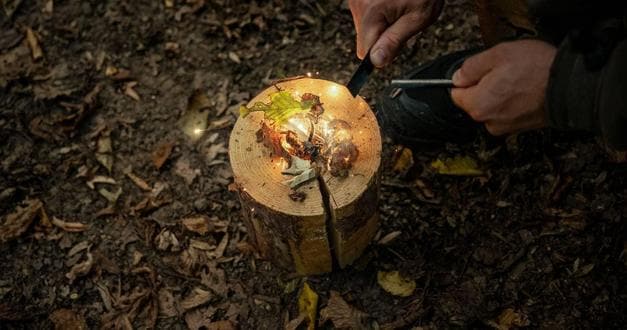
Starting a fire: it is useful to be familiar with different techniques for starting a fire, including methods that do not require matches or a lighter (e.g. using a flint, magnifying glass or fire bow). Fire will be useful for cooking, heating, signalling and deterring wildlife.
-
Shelter building: this is knowing how to use natural materials (and those brought with you) to build a shelter that will provide protection from the weather, among other things.
-
Acquiring water: the ability to find and purify water in the field is very useful, so that you don't have to worry about water supplies on an expedition.
-
Finding and identifying food: in bushcraft it is useful to identify edible mushrooms, fruits and plants that are available in the field. This skill also includes, for example, fishing with simple tools.
-
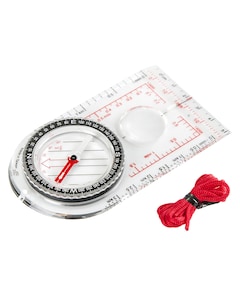
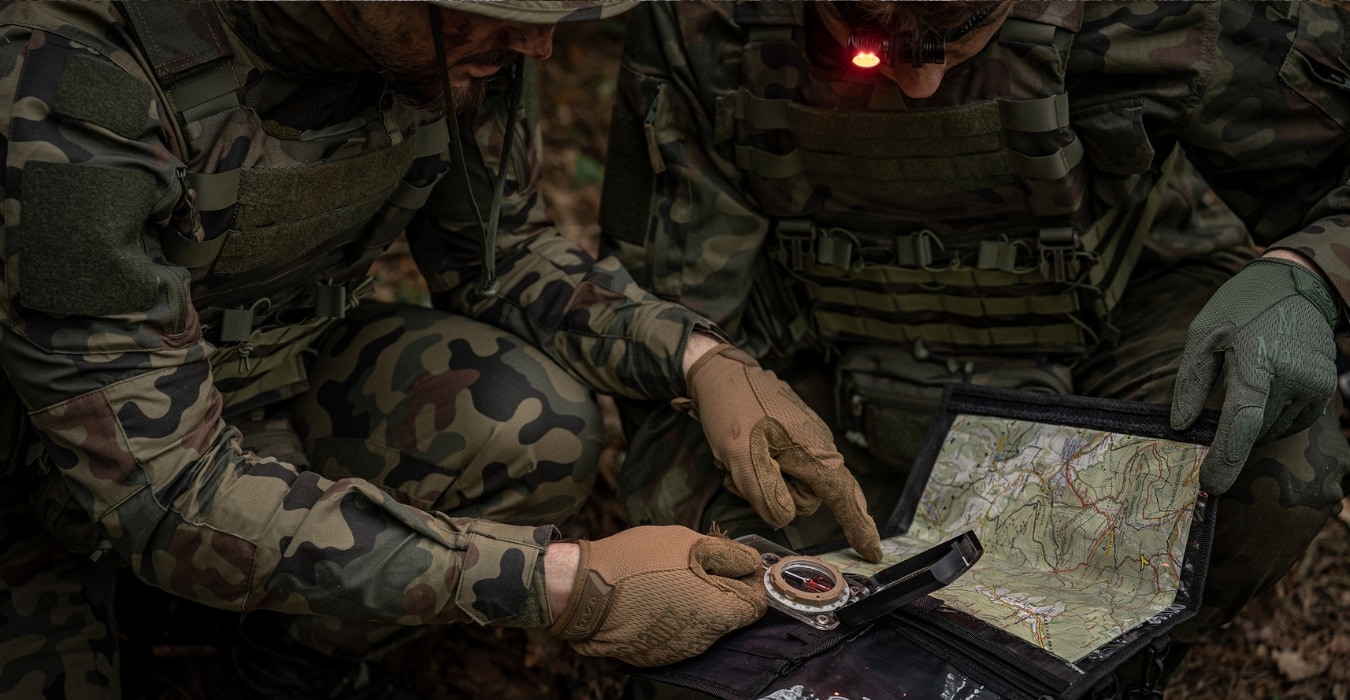
Orientation and navigation: knowing how to use a map, compass and how to navigate using natural signs (e.g. the position of the sun and stars, moss growth) enables you to find your way without access to GPS navigation.
-
First aid and emergency management: includes basic knowledge of first aid and how to deal with sudden, emergency situations.
-
Tool making and use: skills to construct simple tools and use those basic, commonly available tools (e.g. knife, saw).
-
Communication and signalling: in the field, it is useful to know the various ways of communicating at a distance and signalling one's presence and location in an emergency.
-
Respect for nature: respect for the environment and the ability to use natural resources responsibly are designed to limit the negative impact of the bushcrafter on the environment.
Modern bushcraft began to develop in the northern hemisphere as early as the 19th century. Among the pioneers of modern bushcraft we can include individuals such as: Elmer Harry Kreps, Ernest Thompson Seton, George Sears, Richard Graves, Daniel Beard, Horace Kephart or the Canadian teacher with Polish roots Mors Kochanski. Today, a distinguished populariser of this art is Ray Mears, creator of educational programmes on the BBC.
Types of bushcraft
The way bushcraft is perceived has undergone many changes over the years. There are currently four types of this art:
|
Type of bushcraft |
Features |
|---|---|
|
Primitive bushcraft |
It uses primary techniques, without the use of modern tools. |
|
Reconstruction bushcraft |
It is a 'softer' form of primitive bushcraft that focuses on on using the knowledge and techniques of the bushcraft pioneers. In this form also rejects modern tools. |
|
Philosophical bushcraft |
It takes more of a recreational/relaxation form, in the main this type of bushcraft is based on spending leisure time surrounded by nature. |
|
Practical bushcraft |
The most popular type today, which uses modern and commonly available tools and wilderness survival methods, is quite similar to survivalism. |
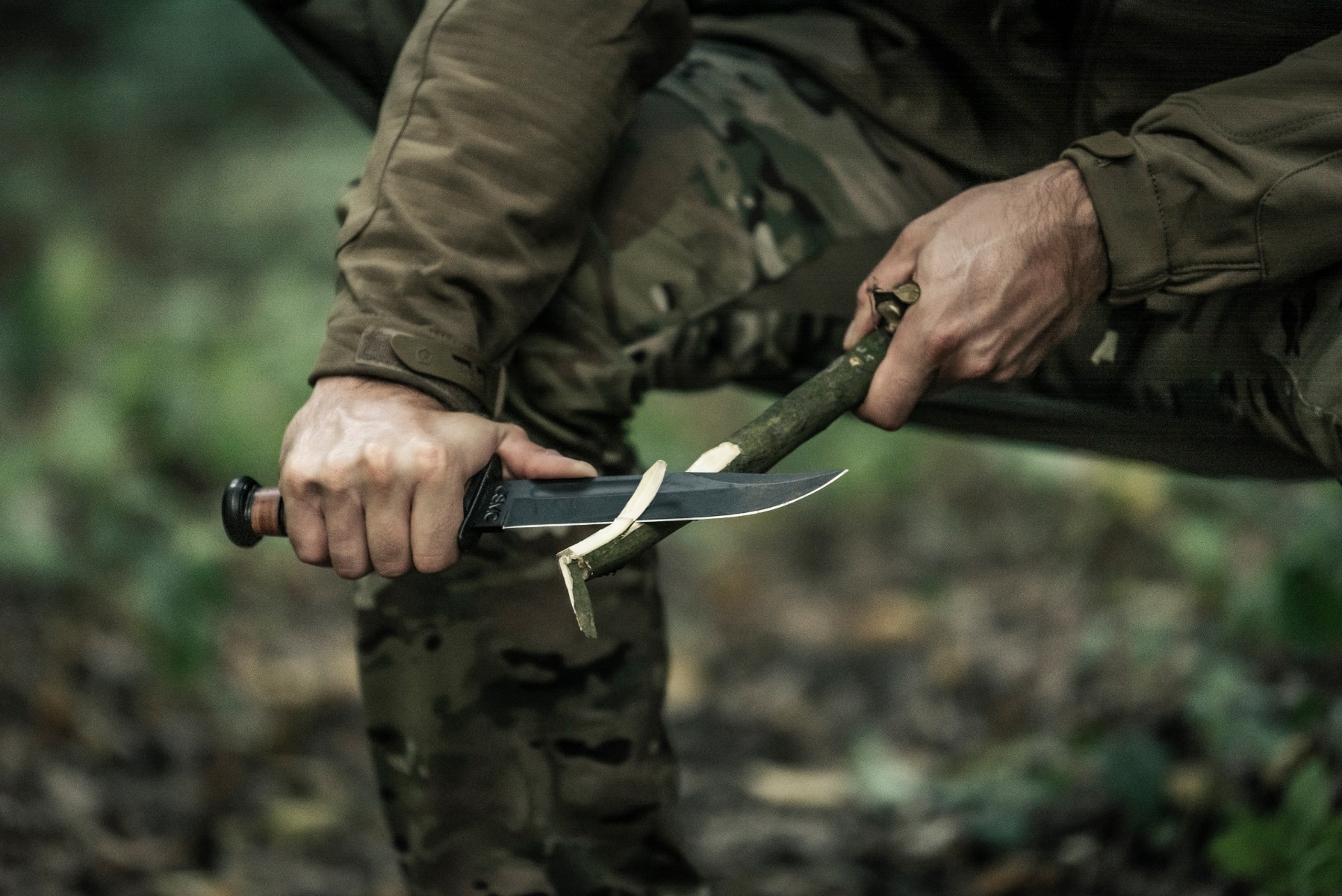
Bushcraft is not only about mastering survival skills in wild, harsh conditions, it is also to some extent a lifestyle and a philosophy. Bushcrafters who cherish primitive survival techniques very often give up much or all of the goods of civilisation. However, it is worth remembering that practising bushcraft with modern tools is still bushcraft. The art can be practised in many ways, depending on the bushcrafter's preferences.
Bushcraft is often practised not only as an art of wilderness survival, but also as a skill for living in harsh conditions.
Bushcraft - how to get started?
It is a good idea to start your adventure with practical bushcraft by mastering the theory and basic skills and complete your bushcraft equipment bushcraft equipment. Below you will find some tips.
-
Useful information (and those for the curious)
It is a good idea to consult thematic blogs, forums or YouTube accounts run by experienced bushcrafters. It is also worth familiarising yourself with or reminding yourself of the principles of first aid.
Those who want to get a real feel for bushcraft can absorb a certain a dose of knowledge. In bushcraft, you will need information on: navigation by means of the sun and the position of the sun and the stars, the flora and fauna in the area, edible herbs and mushrooms and how to find them flora and fauna in the area, edible herbs and mushrooms and how to prepare them in the field.
-
Bushcraft skills
In bushcraft, skills such as making a fire, building a shelter, using a map and compass, obtaining and treating water, fishing, tool handling. It is advisable to learn these skills before your first expedition. It is advisable to learn the basics before the first expedition, and then fine-tune your skills during field trips. field trips.
Check out our guide on lighting a fire with a fire striker – How to use the fire striker?
-
Bushcraft kit
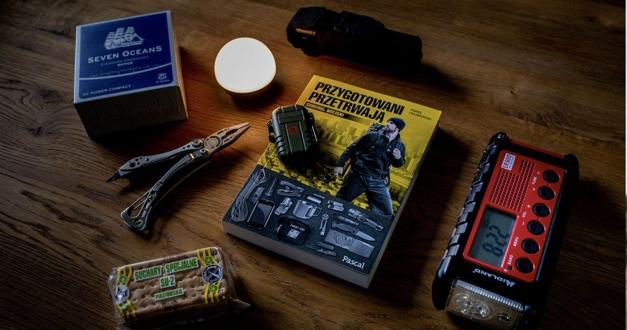
A bushcraft kit is a set of bushcraft equipment. Depending on your needs and preferences, the following items will be useful on an expedition: multitool, long knife, saw, map, compass, flint, paracord, water purification equipment or a first aid kit.
It is also a good idea to provide yourself with suitable clothing such as a rain jacket or thermal underwear. A bushcraft kit (bushcraft kit) may look different, depending on your needs. We will discuss this in more detail in later in this article.
Clothing for bushcraft - what to wear on an expedition?
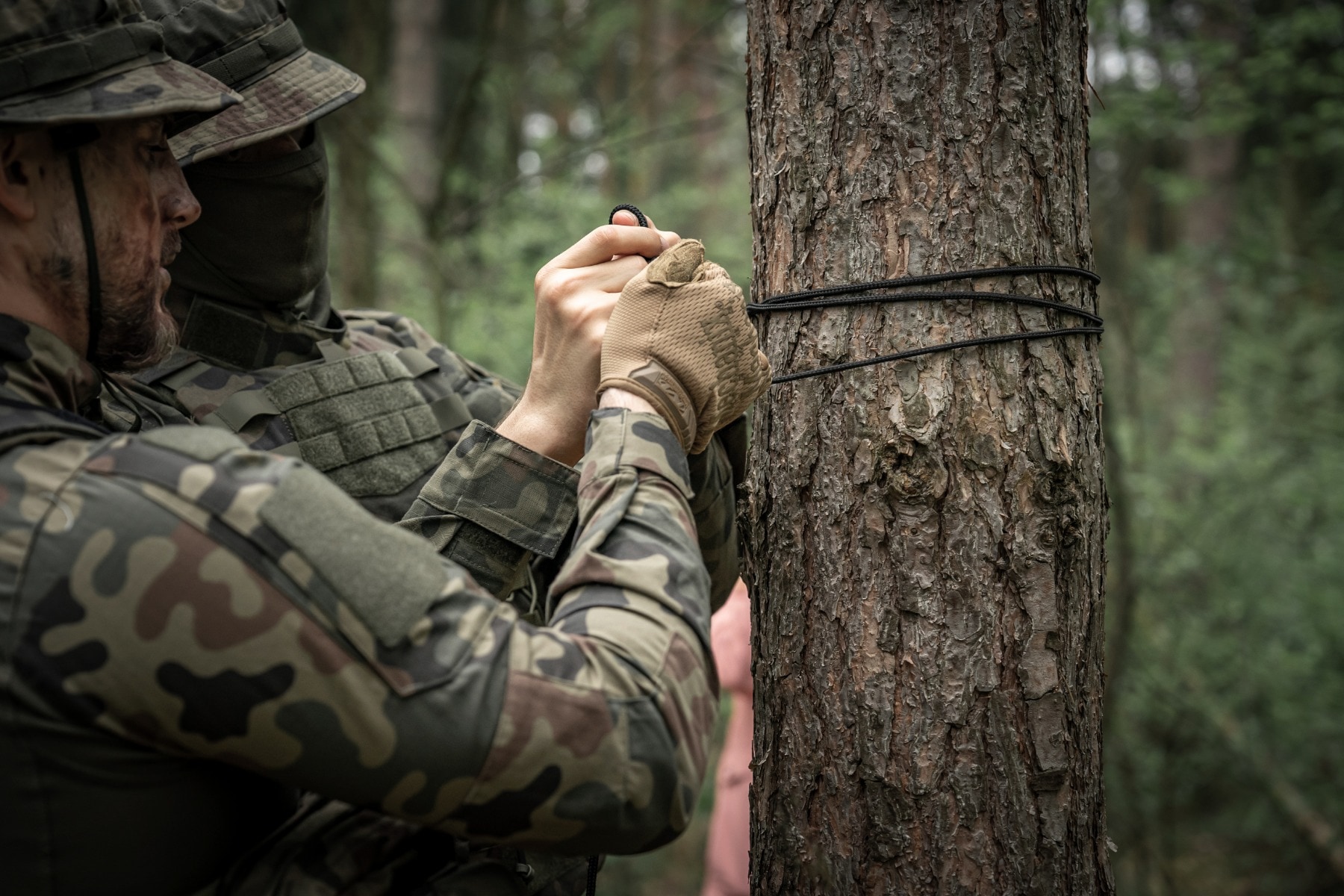
Clothing for an expedition should be chosen first and foremost according to the current weather conditions. What clothing is useful on a bushcraft expedition?
-
Base layer
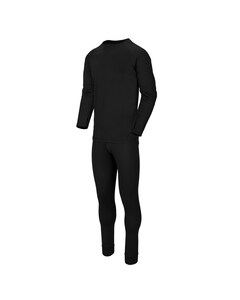
Thermo-active underwear is a good choice at any time of year. Its function is to maintain an optimal temperature and wicks moisture away from the body for optimum thermal comfort. thermal comfort.
-
Insulation layer
The insulation layer should be adapted to the current weather conditions. Fleece, sweatshirt or softshell are very suitable for colder days, but it is worth remembering to keep one on hand in the summer as well to have it on board in summer too, as it can come in handy in the evenings or at night.
-
Protective layer
Wind- and waterproof clothing is also a handy item for bushcraft. Jackets and trousers with such properties are great for protecting the body against cooling in bad weather.
-
Garments equipped with practical features
Practical clothing in bushcraft is downright essential. It is therefore worth choosing pants, shirts, jackets or sweatshirts that are equipped with numerous pockets, adjustable elements or reinforced areas. The pockets are easy to The pockets easily accommodate the most important items of equipment. The pockets provide ample storage for your essentials, the adjustability ensures a better fit, and the reinforcement of strategic areas reduces the risk of reinforcement in strategic areas reduces the risk of rips, for example. Remember that bushcraft can be demanding, so choose clothing made from robust materials.
-
Headgear and gloves
Hats and gloves is not only the domain of the cold winter months. On warmer days it is also it is worth equipping yourself with them. The right gloves, apart from keeping your hands warm keep your hands warm, they also provide excellent protection against injury. Headgear that matches A head covering that matches the weather will protect your head from the cold, rain and sun. What's more, in months when ticks and mosquitoes are active, a good choice is the headgear with a mosquito net.
-
Footwear
Footwear is also an essential part of a bushcraft wardrobe. It is worth choosing versatile trekking shoes or military-style, which will protect the foot from adverse weather conditions weather, and also against, among other things, knocks from stones, cuts, abrasions or burns from plants (for example, nettles). We recommend footwear that is comfortable to walk on for a long time and has a good grip on the ground. for a long time and a good grip on the ground.
Bushcraft - accessories and gadgets
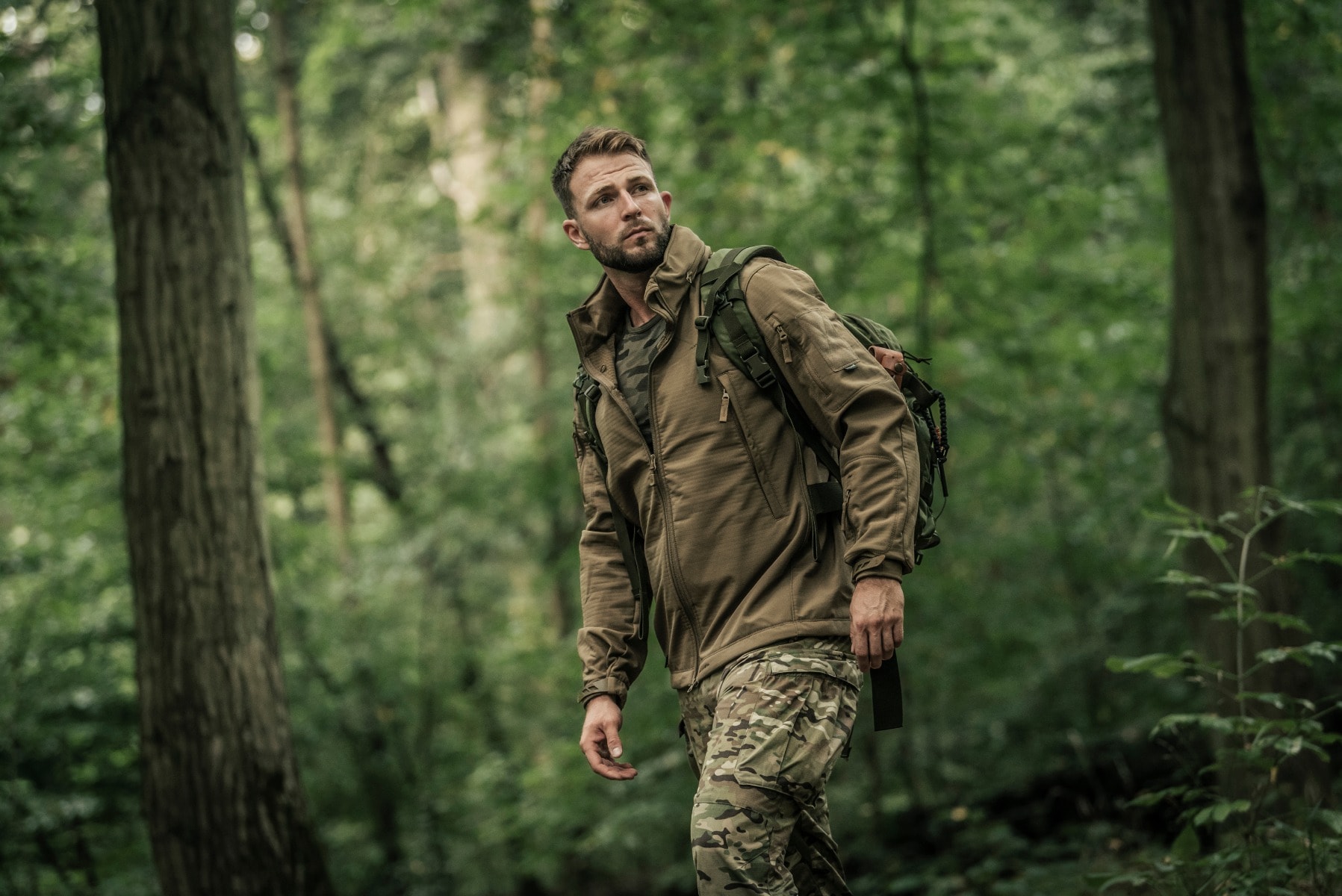
Bushcraft equipment must be versatile and should not take up a lot of space and weigh a lot. Of course, every bushcraft person selects equipment according to their own preferences. We have prepared a universal set of accessories and gadgets, which will prove to be a basic bushcraft kit:
-
Backpack
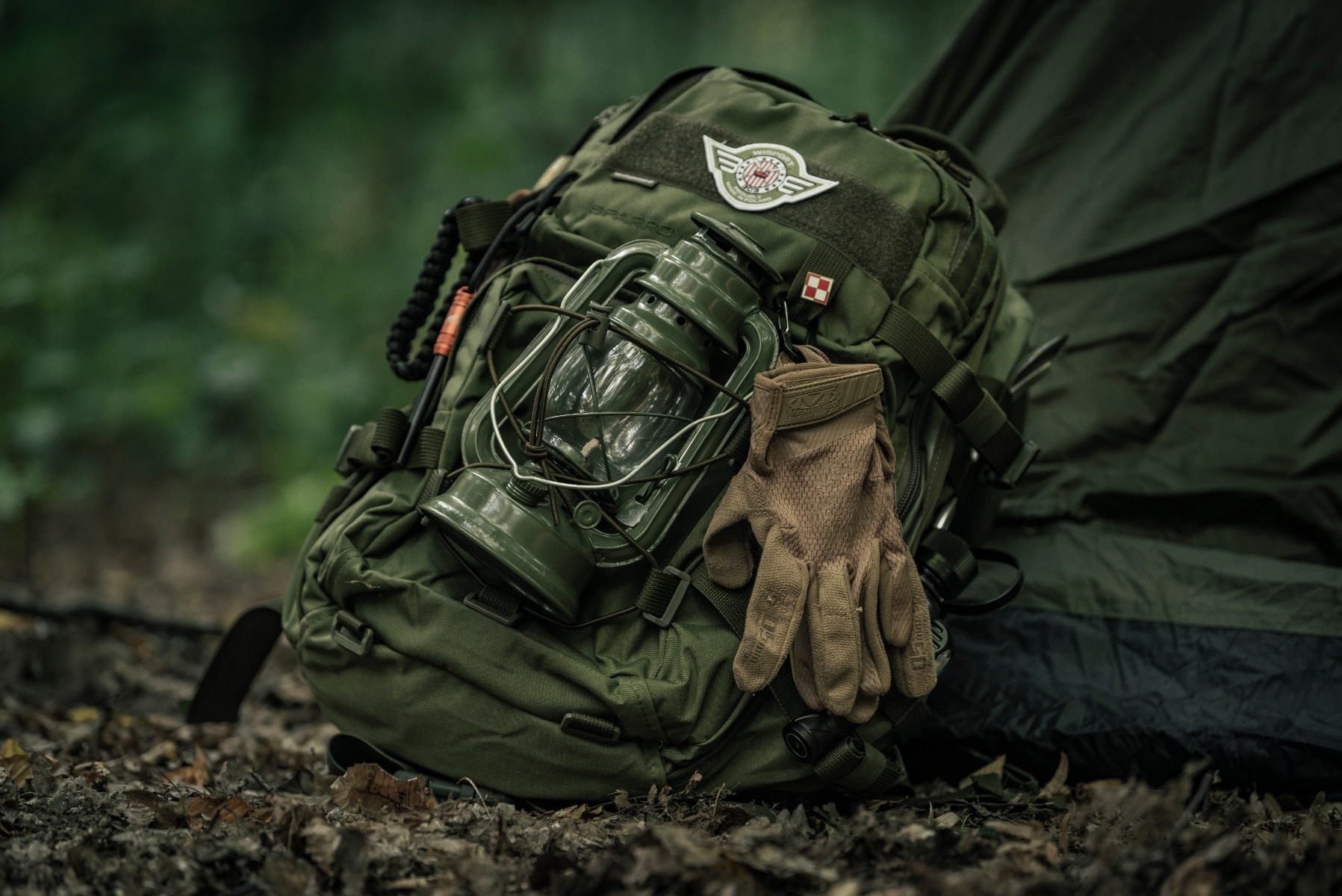
Every bushcrafter should have a capacious backpack, in which to fit your equipment. A good choice is a backpack with a capacity of A good choice is a backpack with a capacity of 40-50 litres, which will easily accommodate your equipment for an overnight trip. If you are looking for high durability of your equipment, we recommend backpacks tactical and military rucksacks.
-
Knife
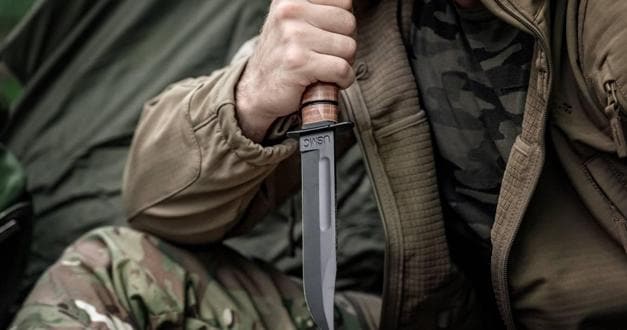
A knife is an essential piece of equipment in bushcraft. Depending on your preferences you can choose different types of knives, but we recommend the following knives with fixed head and full tang construction - it is worth taking a look at our category of survival knives.
-
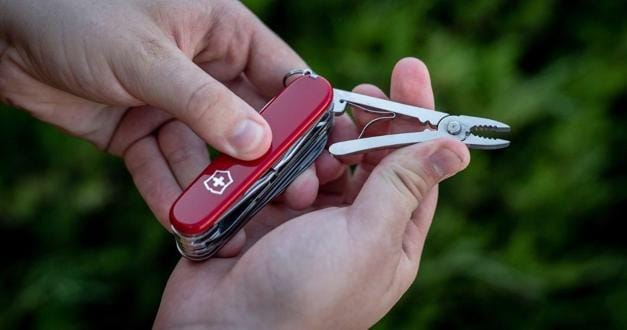
Multitool or pocket knife
A useful tool kit in a handy multitool or pocket knife is an invaluable companion for bushcraft expeditions. You will find in it, among other things Among other things: pliers, scissors, openers, chisels and more.
-
Axe or saw
This type of equipment will be indispensable when trimming wood for a bonfires. Axe among other things, you will also use it to drive tarp fixing pins. The us of the saw needs no explanation.
-
A flame, lighter or matches
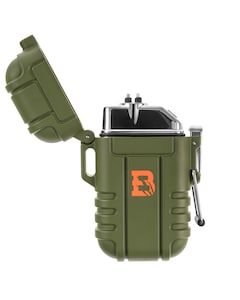
A fire source is essential. At Militaria.pl you will find a wide selection of such accessories for starting a fire . You can choose from the popular ferrocite flint, the reliable lighter plasma or storm matches.
-
Tarp and hammock
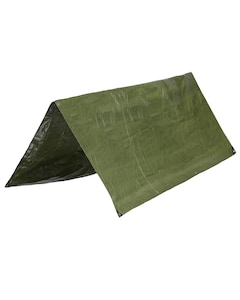
Tarp is an accessory that you can use on its own or in a set with a hammock. If you only use a tarp, you can construct different types of shelter (for example, a bushcraft tent). If, on the other hand, you want to sleep in a hammock , a tarp is a good idea to hang over a hammock to protect it from adverse weather conditions.
-
Torch
A light source will come in handy after sunset or when exploring the caves. We recommend choosing head torches, which provide free hands.
-
First aid kit
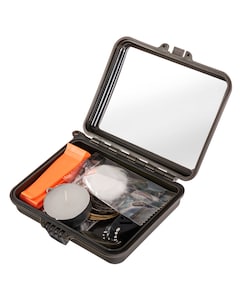
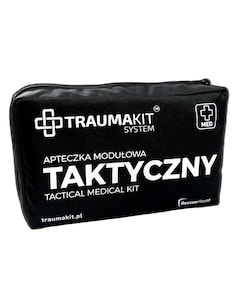
During field trips it is not difficult to get injured in various ways, so it is a good idea to have a first aid kit. You can purchase ready-made first aid kits with equipment such as the survival kit or you can buy a tray and complete the equipment yourself.
-
Tourist cooker and tourist utensils
If you want to use a tourist cooker, remember to check whether this is allowed in your chosen location. Regardless of whether you use a cooker, it is a good idea to have with you at least a travel mug and essentials.
-
Water treatment products
Taking a 5-litre canister of water may not be the best idea for a bushcraft expedition, so water purifiers are a great solution so you can use water outlets in the field. A very useful is a water bottle with a filter.
-
Bracelets and paracord links
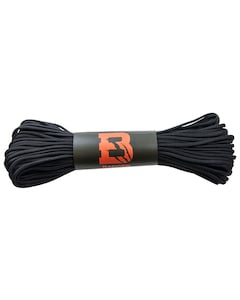
Paracord is a frequent choice for outdoor expeditions because of its many uses. Paracord cord will replace the lashing line in your tent, hammock or tarp, you will make a It can also be used to make a spare shoelace, laundry rope and much more.
-
Ultrasonic tick protection, repellents and mosquito nets
Mosquitoes and ticks are not only nuisance insects, but above all vectors of many diseases, so it is important to protect against them.
Also check out our posts about: protection against mosquitoes oraz protection against ticks.
Bushcraft equipment at Militaria.pl
In the Militaria.pl shop you will find an extensive category of all useful equipment, accessories, gadgets and bushcraft equipment. The available assortment comes from well-known and proven manufacturers, so you can be sure that you are choosing products of the highest quality. sure that you are choosing products of the highest quality. Be sure to check out category Survival, Bushcraft, Tourism!