How to protect yourself from ticks? - find out effective ways

A trip to the forest or a walk in the park is a great opportunity to relax. Unfortunately, such an environment is often a habitat for various insects that can disturb us and make being outdoors uncomfortable. We especially need to watch out for ticks. These small but potentially dangerous arachnids can transmit diseases that threaten humans, so it is worth knowing how to protect yourself from ticks.
In this article, we will explain what ticks are, as well as point out the dangerous diseases they transmit and why their bites should be avoided. However, the most important part of the guide will be a discussion of effective methods of protection against these insects.
Ticks - what are they and how to recognise them?
Ticks are arthropods of the mite subclass that are extremely resilient - they can survive long periods of drought and fully mature individuals can survive without food for up to 800 days. Ticks can be found practically everywhere. They are mainly found in meadows, bushes and deciduous trees. They can also easily be found on forest paths covered with grassy vegetation. It is also noticeable that they are increasingly common in towns and cities. Especially in parks, squares and kitchen gardens.
How do you recognise a tick? It should be noted that a tick stuck in the skin is not always clearly visible. In the case of an attack by a tick larva or nymph, usually only a dot is visible on the skin. In order to identify a tick, it is necessary to look at it closely and carefully check for the presence of legs.
Due to the small size of these parasites, many people may not realise that they have come into contact with a tick. In addition, tick saliva contains anaesthetic substances that can make the bite painless. It is therefore important to regularly check your body after being in areas where ticks may be present.

Why protect yourself from ticks?
Tick bites often lead to allergic, purulent or swollen skin lesions. Such symptoms can vary from person to person, depending on the sensitivity of their immune system.
Through their bites, ticks can transmit very dangerous infectious diseases. Which diseases do ticks transmit? In Europe, these include Lyme disease, tick-borne encephalitis and viral pneumonia.
What attracts ticks?
Ticks cannot see or hear. Their most developed sense is something like smell. They possess a Haller organ that is able to sense:
- chemical signals - such as exhaled carbon dioxide and ammonia,
- mechanical signals - such as shocks caused by stepping,
- thermal signals - such as body heat.
| What attracts ticks? | |
| The smell of sweat | The smell of sweat makes the tick sense its prey. This is especially true if it is accompanied by an elevated body temperature, such as when running. |
|---|---|
| Blood group A | Researchers at Masaryk University in Brno have investigated which people are the most desirable source of food for ticks. They found that what blood type do ticks like? They were most likely to choose blood type A (36%), followed by type O and AB. In contrast, they were least likely to choose blood type B. |
| Perfume | Ticks are not attracted particularly strongly by odours other than the human body, but it is thought that certain synthetic scents emitted by: perfumes, deodorants, washing powders or creams, may attract these arachnids. |
| Human breath | Ticks are attracted to humans by exhaled carbon dioxide, the smell of ammonia and pheromones. The arachnids sense body heat and breath and identify the food source on this basis. |
What deters ticks?
The most effective tick repellents are products containing DEET and icaridine, which block the sensory receptors of these arachnids and repel them. However, for those who avoid chemicals, essential oils can be recommended to repel ticks, although they are not as effective as special preparations.
- clove oil,
- rose oil,
- lavender oil,
- lemongrass oil,
- eucalyptus oil.
In addition to essential oils, herbs - both fresh and dried - are very good tick repellents.
- peppermint,
- sage,
- thyme,
- lemon balm,
- geranium,
- dried eucalyptus,
- rosemary,
- lavender,
- catnip.
What are effective ways to deal with ticks?
The best way to prevent tick bites is to use repellents. These are repellents that can be applied to the skin or other surfaces such as clothing. Their action is to repel the insects so that they avoid contact and climb onto the bodies of people or animals. However, there are also products such as insect repellents or natural remedies such as ultrasonic deterrents.
Tick repellents
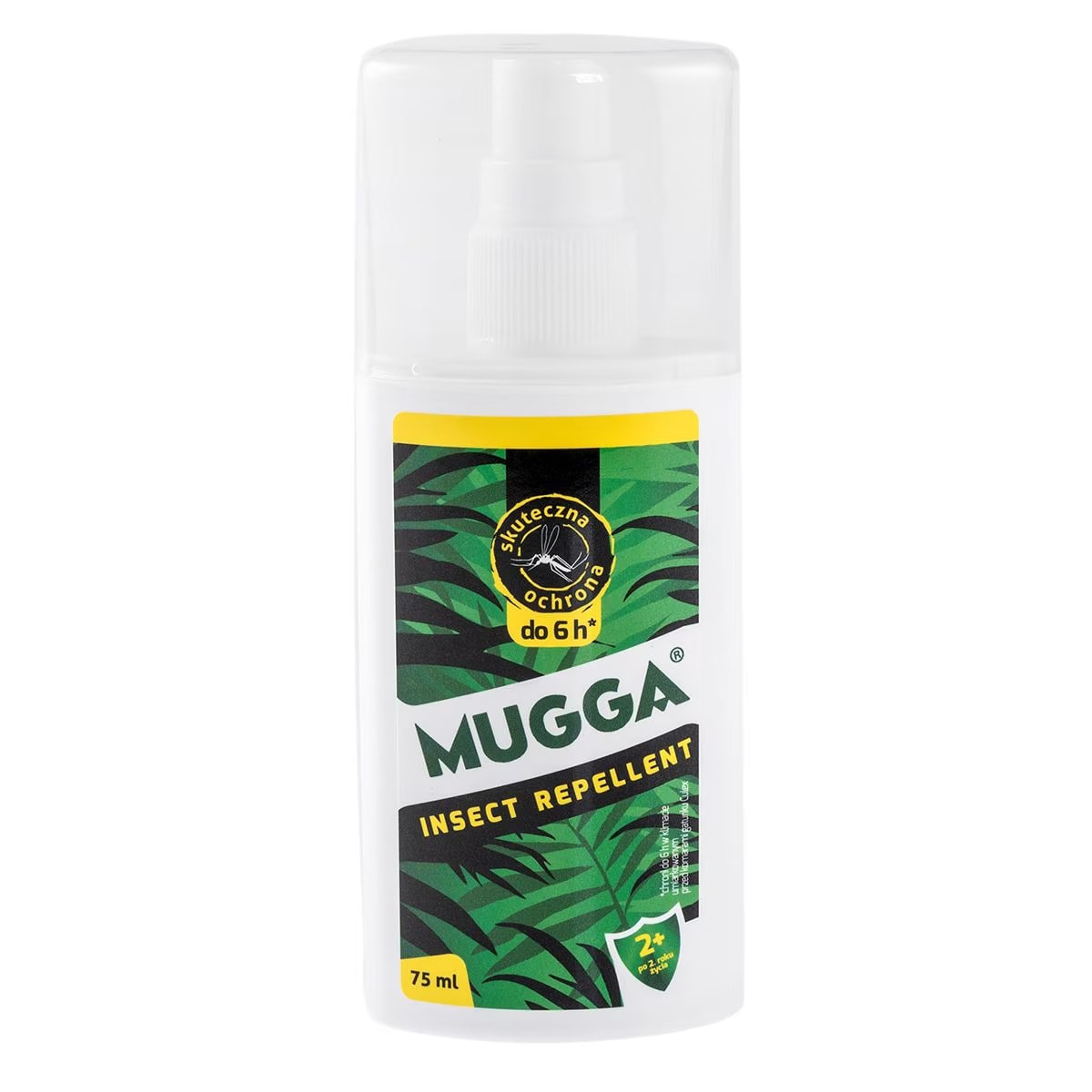
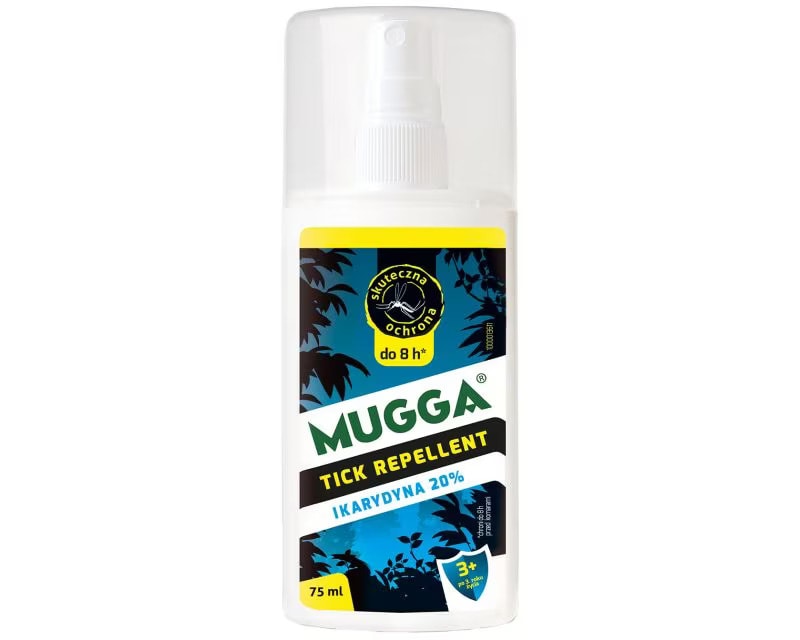
The most effective tick repellents are repellents, especially those bearing the Mugga brand. Currently, repellents containing DEET are considered to be the most effective in repelling ticks. The effect of DEET is to interfere with the smell of the insects, which are unable to perceive and encode the smell of lactic acid, a component of the sweat of the potential host. They are therefore unable to locate their prey.
An alternative is chemicals containing icariidin, which is also sometimes referred to as picaridin. This is a relatively new and gaining popularity substitute for DEET. It is characterised by a milder odour than DEET. However, it is worth noting that its effectiveness as a tick repellent may be lower. Preparations with icaridin and DEET should not be used at the same time. The mixture of these substances is toxic to humans.
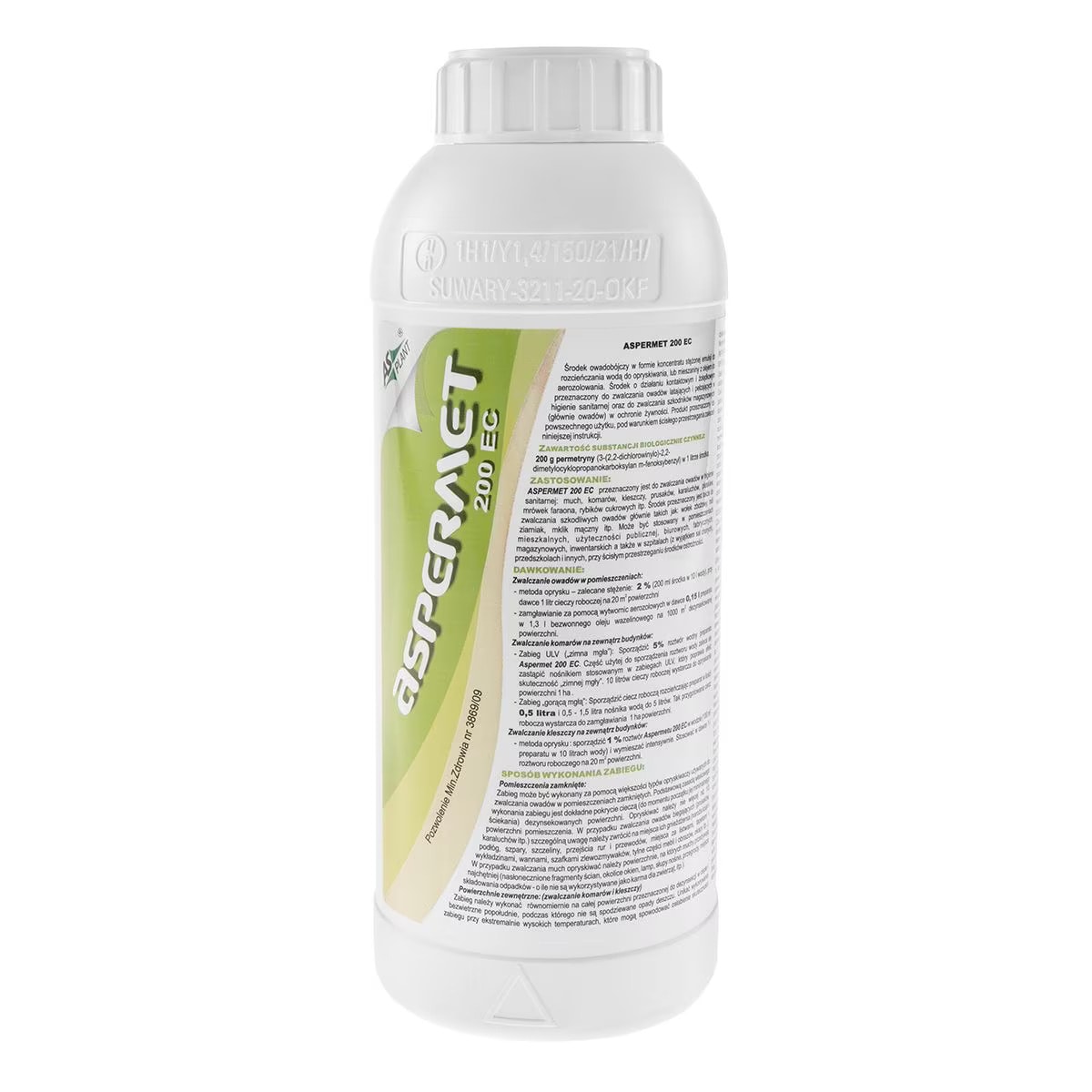
Insecticides, which have a biocidal and repellent effect, are another solution. These products cannot be applied directly to the skin. They must be used in specific concentrations.
Tick repellent devices
Tick repellent devices such as TickLess are an effective and environmentally friendly alternative to traditional chemical repellents. They are small and portable devices that emit ultrasonic sounds that are inaudible to humans and pets. As a result, they effectively repel ticks and prevent tick bites. The devices are handy and easy to carry, and can be conveniently clipped to a rucksack, belt or other item of clothing.

Prevention - how to avoid ticks?
Environmental conditions, as well as the weather and the type of activity we do, are just some of the factors that influence our risk of coming into contact with ticks and the possibility of contracting diseases from these arachnids. However, we can reduce this risk if we regularly follow a few basic rules. So, how do we avoid ticks?
-
Dress to cover as much of your body as possible. When walking in areas where ticks may be present, it is a good idea to wear clothing that covers as much of your body as possible. Long sleeves, long trousers and high boots can help reduce the access of ticks to the skin.
-
Although dressing according to the first point is important, it is worth remembering that ticks are attracted to the smell of sweat. Avoid covering your body too much, especially on hot days, to avoid excessive sweating.
-
Although dressing according to the first point is important, it is worth remembering thatAvoid scrub and tall grass. Ticks often reside in scrub, tall grass and on low tree branches. Try to avoid these areas or at least be careful when walking through them.
-
When walking or hiking, choose paths and maintained trails that are less likely to bring you into contact with ticks. Avoid straying wildly into grassy or wooded areas.
-
When you return from areas where ticks may have been, check your body thoroughly. Concentrate on areas where ticks often bite, such as the groin, underarm area, neck, hairy scalp and behind the ears.
-
Use good repellents on your skin. Repellents based on DEET or other active ingredients can help repel ticks. Apply them to exposed parts of your skin according to the instructions on the packaging.

How do I safely remove a tick?
Independent and safe tick removal is possible and recommended, provided the correct precautions and procedures are followed. There are several steps that can be taken to effectively and safely get rid of a tick. However, it is worth remembering that accuracy is key. Many people make simple mistakes when removing the tick from the body, which can cause problems later on. Removing the tick correctly means pulling it out whole, necessarily with your head! So how do you remove a tick?
-
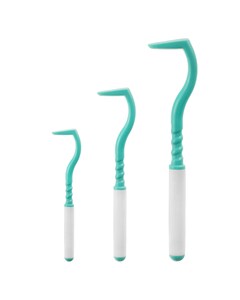
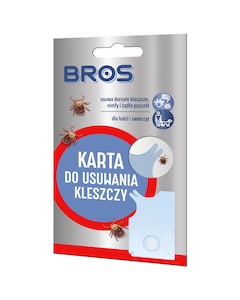
Prepare the necessary tools, such as sterilised tweezers, tick traps or a tick removal card. Also make sure you have disinfectants.
-
Wear protective gloves or use a tissue to avoid contact with the tick and any pathogens it may carry.
-
Gently and evenly pull the tick perpendicular to the skin. Do not twist, squeeze or tear the tick.
-
Make sure you remove the whole tick, including its head. If fragments remain, try to remove them by the same means or consult your doctor.
-
After removing the tick, thoroughly clean the bite site with a disinfectant such as iodine.
-
Place used tools in a suitable container or discard them, then wash your hands thoroughly with antibacterial soap.
-
Observe the site of the tick bite for several weeks. If you develop erythema migrans (a characteristic symptom of Lyme disease) or flu-like symptoms such as fever, body aches or weakness, consult your doctor immediately.
Tick remedy range at Militaria.pl
At Militaria.pl, we offer a wide range of both natural and chemical repellents that effectively protect against ticks. In particular, we recommend repellents in the form of sprays, which are extremely effective against these arachnids. The products we offer contain ingredients such as DEET, icaridine and IR 3535, which are known for their effectiveness in repelling ticks.
Repellents can be safely applied to both skin and clothing. However, our priority is not only effectiveness, but also safety. For this reason, the preparations are carefully formulated so as not to cause skin irritation or other allergic reactions.
Ultrasonic tick repellents are also available in our shop. Ultrasound interferes with the orientation and tracking ability of the host by blocking the sensory receptors of ticks. This causes them to be unable to distinguish potential prey from their surroundings.