What kind of travel water filter to choose for a trip?
Carrying a large supply of water with you when hiking can sometimes be a hassle, as water is heavy and takes up a lot of space in your luggage. To reduce the burden on your backpack, you can rely on natural water sources such as streams, lakes, ponds, rivers and others. However, it is important to remember that the sources we find along our hiking route do not always contain drinkable water. If we are not sure of the quality of the water we encounter, we can use a tourist water filter. This type of device filters the water and makes it safe for consumption. Before buying such a device, however, it is important to understand what to look for and which product to choose.
In this article you will learn, among other things: whether it is worth buying a water filter, how it works and which travel water filter to choose depending on your needs.
Is it worth buying a travel water filter?
Water flowing in rivers, streams and other natural springs may seem harmless to the body, but mostly it is not free of contaminants. Due to various health risks, it is not recommended to drink such water without proper treatment. It can be contaminated with various microorganisms such as bacteria. These can cause illnesses such as diarrhea, gastritis or other gastrointestinal infections. For this reason, it is necessary to purify the water before drinking it to avoid potential health problems. For this purpose, it is worth buying a travel water filter that will purify the water and improve the quality, making it safe to drink. In addition to purifying the water, the travel filter also carries other benefits:
- Saving money - buying a single travel filter can be expensive at the outset, but it avoids the constant expense of bottled water while traveling..
- Comfort - travel filters eliminate the need to carry heavy water bottles with you, which can sometimes be cumbersome on long trips.
- Environmental friendliness - prevent the use of plastic bottles, which reduces plastic waste and is good for the environment.
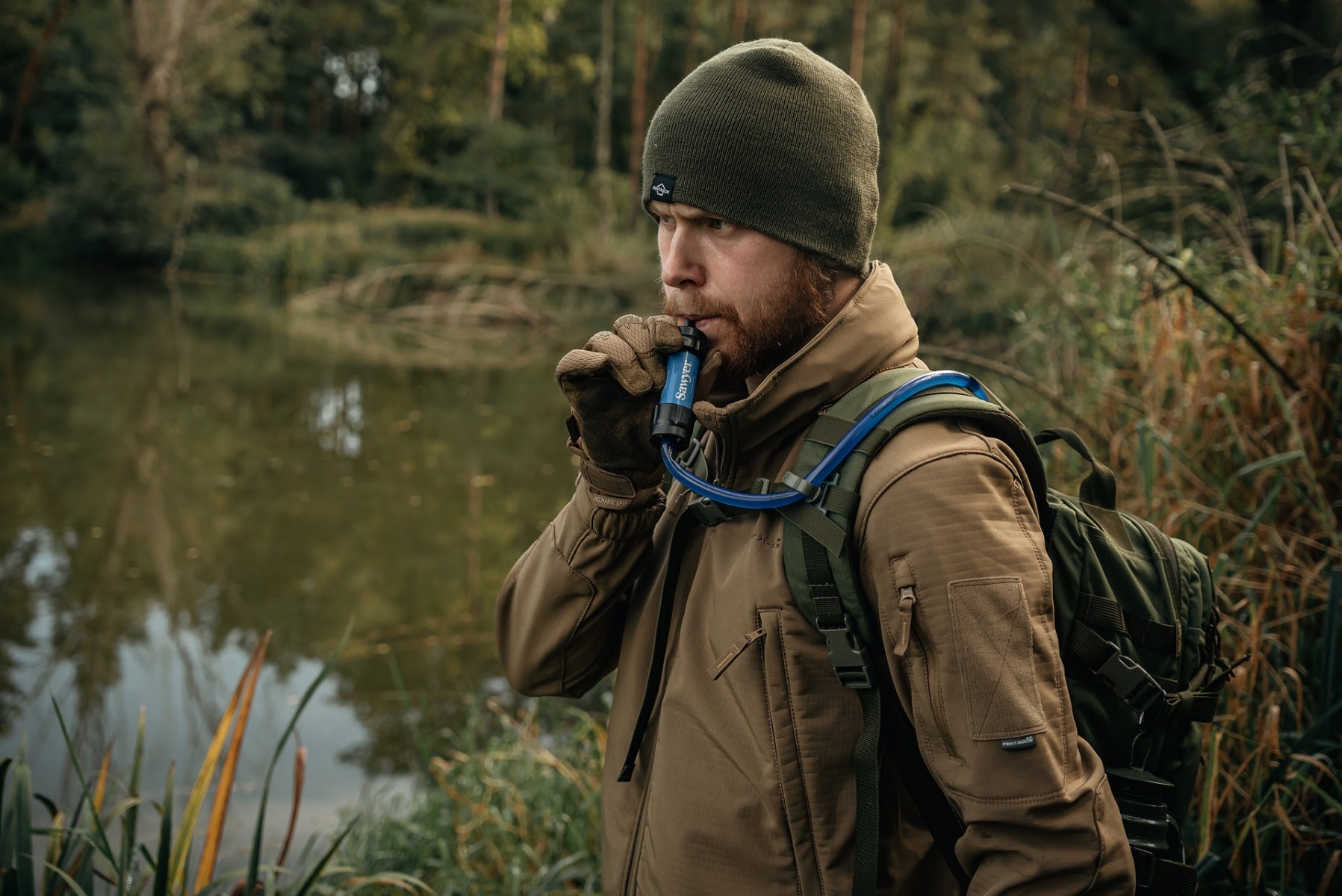
How does a travel water filter work?
There are many types of water filters that work in different ways, and their choice depends on the type of contamination and the needs of the user. How does a tourist water filter work? The way filters work can be divided into three main types of filtration:
- Mechanical filtration - involves removing physical contaminants from water, such as sand, sediment, other solids.
- Absorption filtration - works on a similar principle as a sponge, capturing and retaining contaminants. The most popular example of such a filter is an activated carbon filter. Its action is to attract and retain various impurities, making the water cleaner and tastier.
- Membrane filtration - uses a process called membrane separation to remove most contaminants, even very small ones such as bacteria. Water is pushed under pressure through a membrane that has microscopic pores.


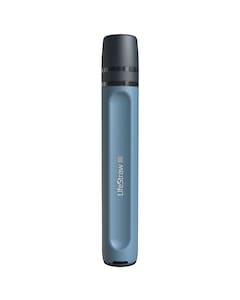

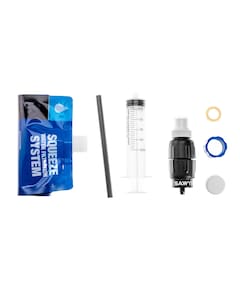
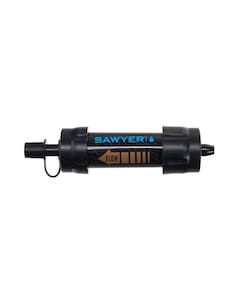

What are the types of tourist water filters?
There are many types of travel filters available on the market for use during hiking, travel and other outdoor activities. The main differences between them are weight, performance, convenience of use and water purification efficiency. In the following section, we describe the most well-known types of hiking water filters.
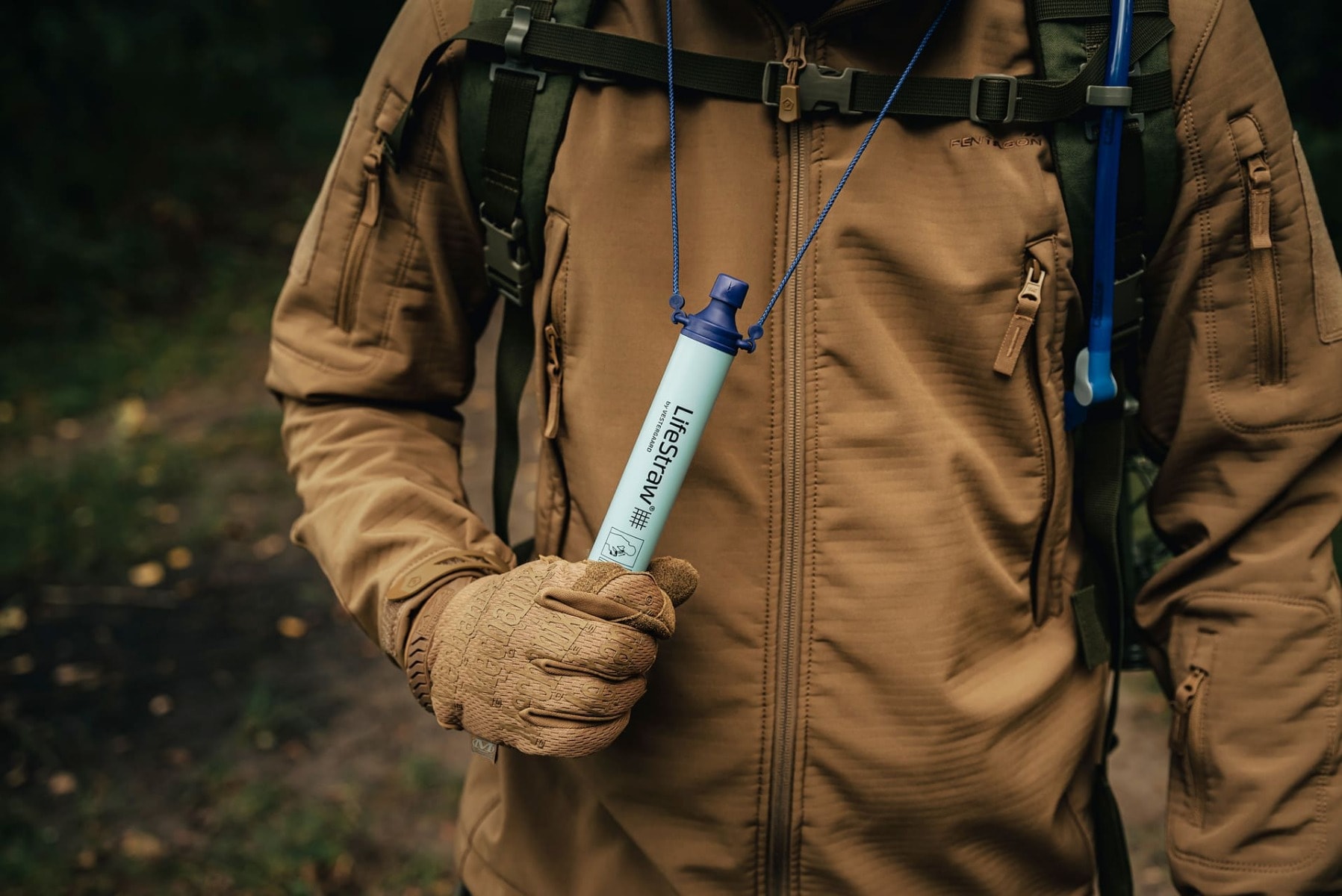
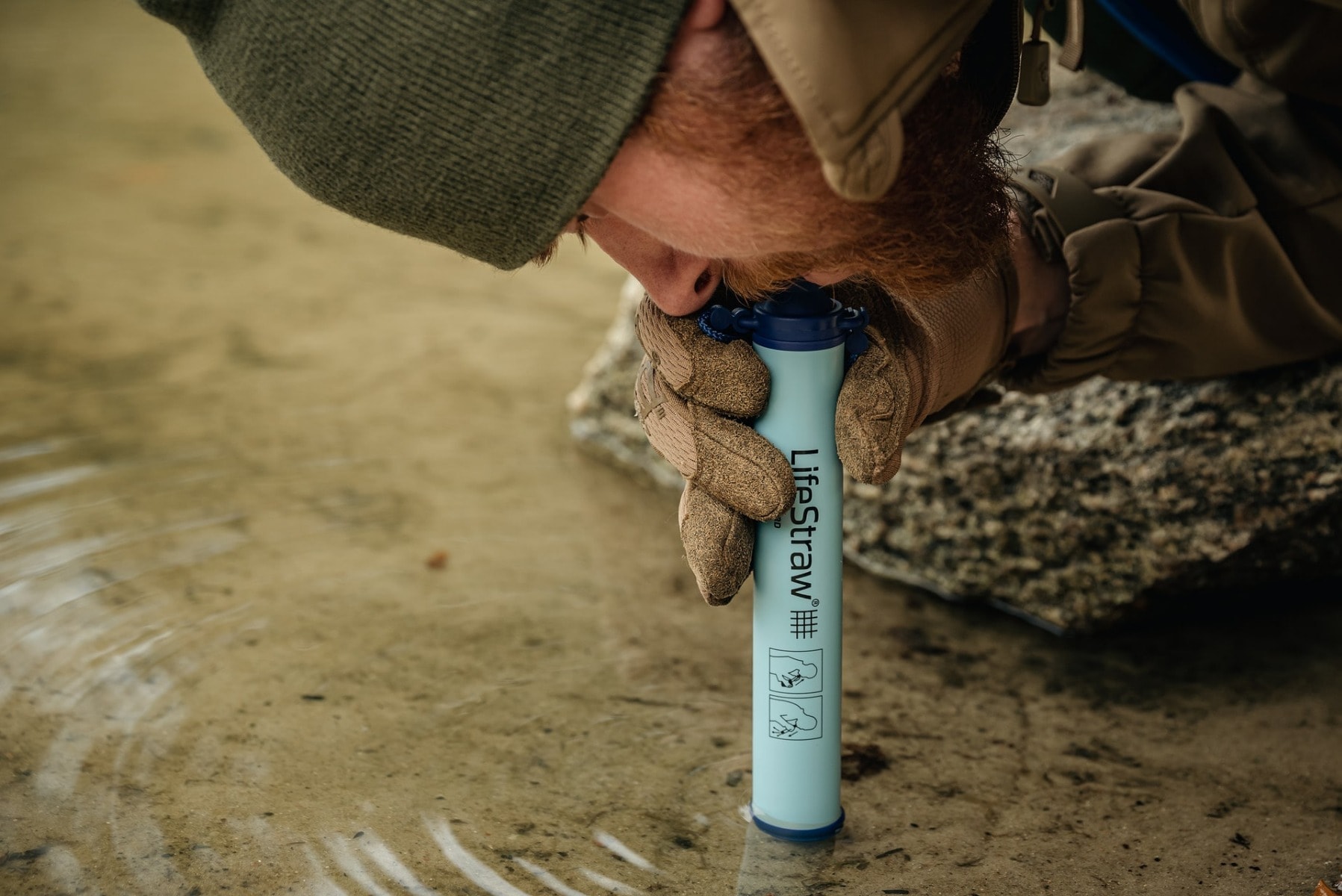
Straw filters — is a simple tube with a filter inside, which allows you to drink water directly from the source. It can be not only a lake or stream, but also a bottle or a reservoir in which you have previously stored water, as long as it is equipped with a wide filler (larger than the diameter of the filter). Such tourist water filters are compact and lightweight, often weighing less than 100 grams. Due to their minimal size and low weight, they can be conveniently carried in a pocket or backpack. Their construction is simple, so the risk of damage is minimized. They mainly consist of the filter itself and a plastic housing, which is resistant to mechanical damage. They are also characterized by a long service life. They can purify several thousand liters of water, making them an economical and environmentally friendly option for any trip.
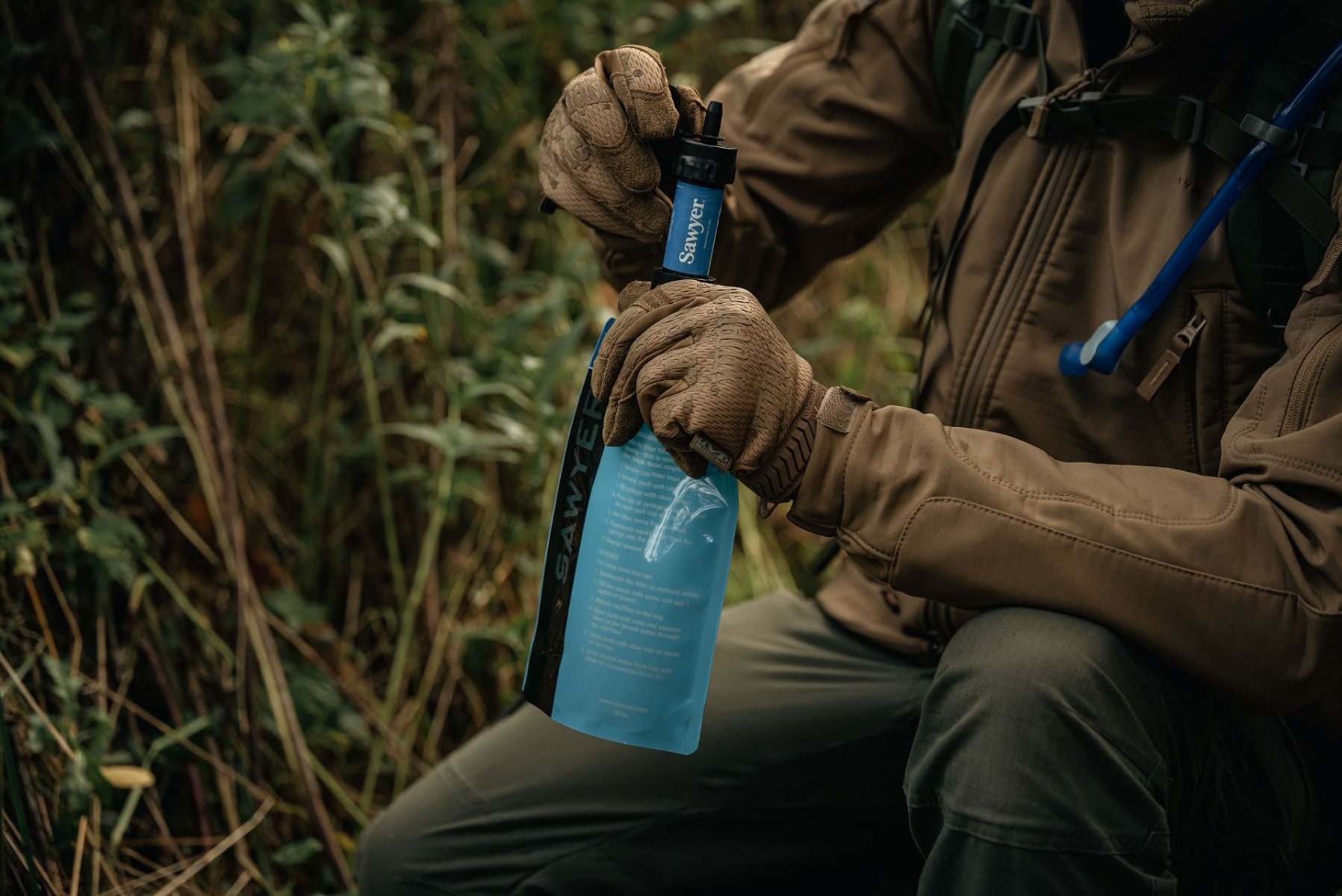
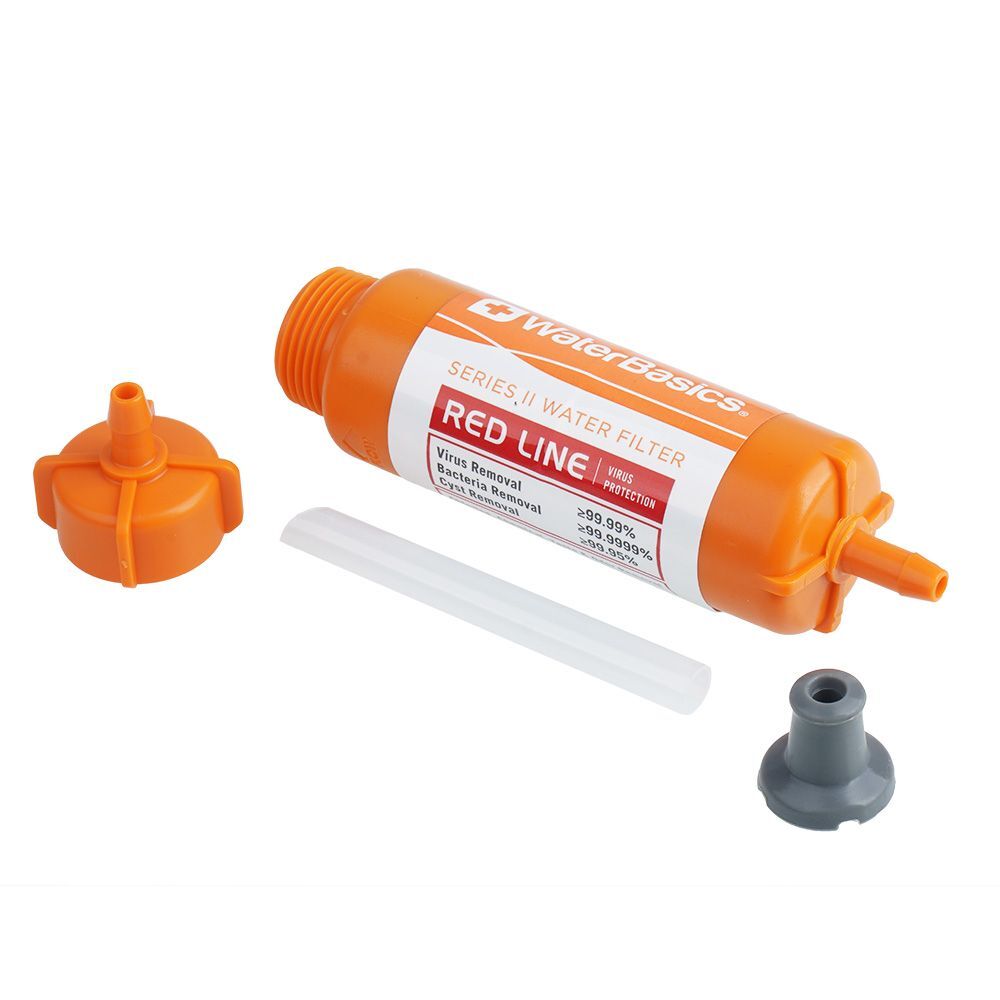
Filters with versatile applications — an excellent example of this type of filters are Sawyer brand products, which can be attached to bottles, reservoirs or used as straws. They provide a convenient solution for trekking, running, mountain biking and even longer backpacking trips. The Sawyer filter is used in several ways. You can drink the water straight from the source, purify it with the filter and store it in a container, or tighten the filter directly to the bottle and filter the water as you drink.
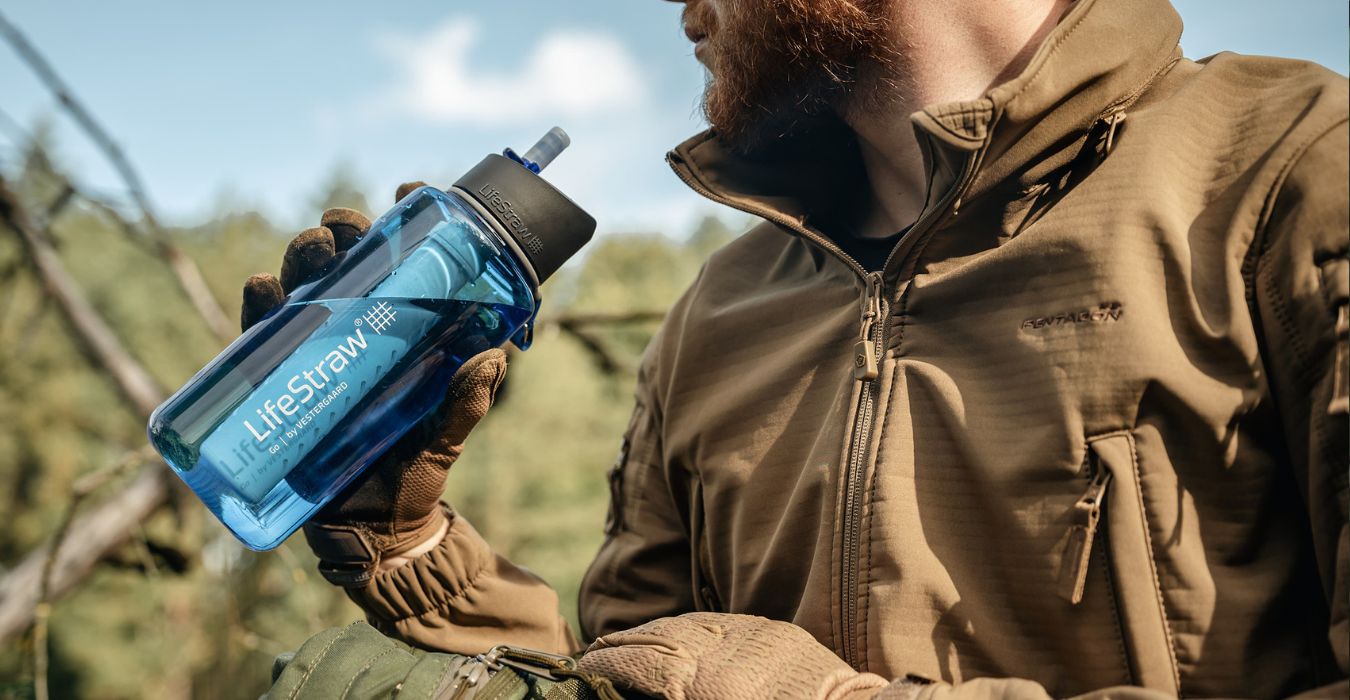
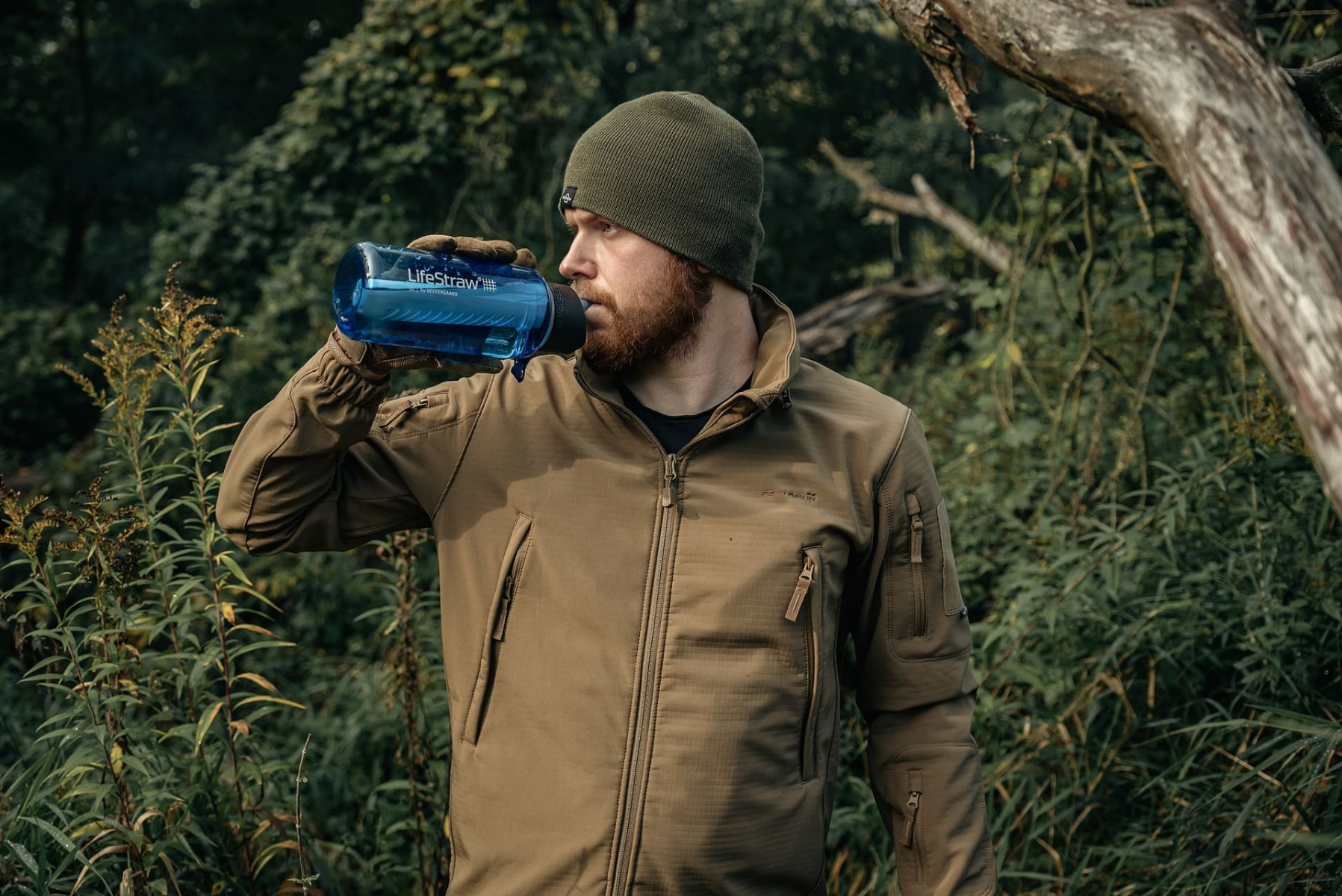
Filter bottles - make it easy to draw water from a variety of sources. To use bottles with filters, just fill it with water, cap it and just start drinking. Filtering is done on the fly as you drink. The bottles are lightweight and don't take up much space in your luggage, making them great for traveling. We can use them virtually anywhere, as long as we have access to water.
Pumped filters - their operation involves pumping water from a source through a filter into a bottle or tank. Their main advantage is their ability to extract water from shallow sources, which is especially useful when traveling in desert areas where access to water may be limited to only small puddles.
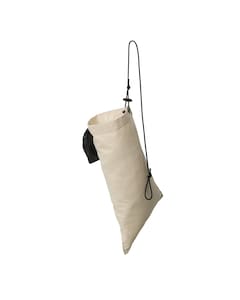
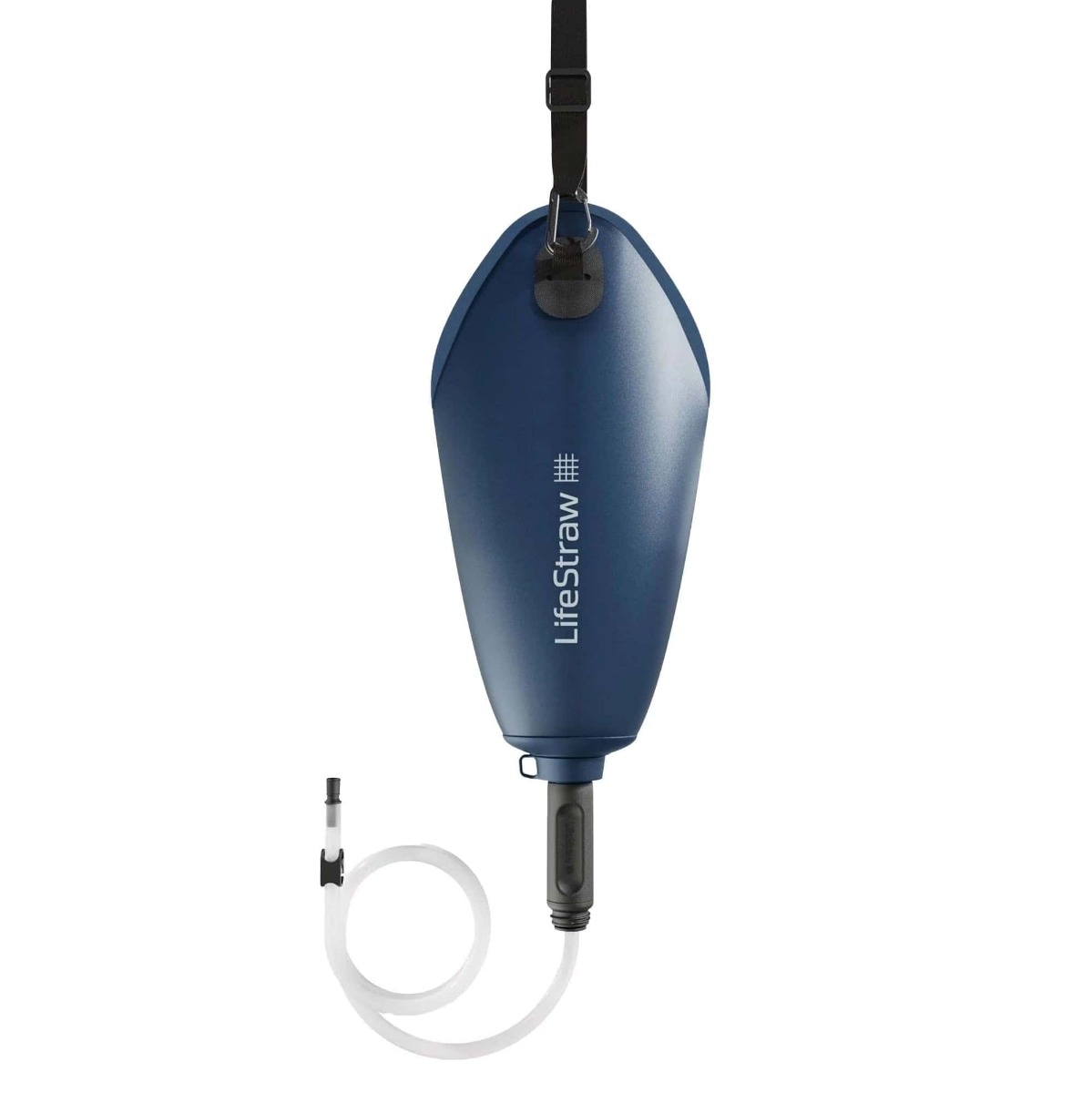
Gravity filters - they allow you to get clean water in a very convenient way while in the field. Their operation consists in filling the filter with contaminated water and hanging it on a branch (or anything else). Thanks to the force of gravity, the water flows through the filter into a clean container. They work great when camping in a group, and can also be used in a camp kitchen, as they effectively filter large amounts of water.
Types of filters used in travel filters
There are many types of filters that have been developed to clean water of various contaminants. Below we will look at three types used in travel filters. Each has its own specific properties and applications that affect the quality of the water, its taste and smell, and its ability to eliminate various types of contaminants.
HollowFiber Filters - are very popular fibers used for water filtration. They prevent all kinds of microorganisms above 0.1 microns (e.g. salmonella, cholera, E. cola) from entering the water, as well as other contaminants such as sand, silt and plant debris. The system relies on mechanical separation of pathogens and contaminants through a network of fibers with micropores. Protection efficiency can be as high as 99.99999%.
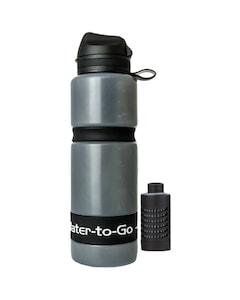
Filtry Water-to-Go - are innovative filters developed by NASA that use nanotechnology and aluminum oxide particles. They combine three different technologies in a single filter, enabling the purification of more than 99.9% of contaminants in water, including: bacteria, viruses, heavy metals and volatile organic compounds.
Activated carbon filters - absorb impurities in the water and effectively absorb chlorine, pesticides, herbicides and other harmful organic compounds. As a result, they improve the taste and smell of consumed water. However, in the case of highly contaminated water, the carbon filter may not be able to cope with all the microorganisms in it. This filter is sometimes used in addition to a membrane filter.
Water filter for an expedition - which one to choose?
Every trip is different, and choosing the right water filter depends largely on the specific needs and conditions in which you are traveling. That's why it's so important to think carefully about your requirements and take into account a number of factors that can affect the choice of the right filter. What should you consider when buying a water filter?
Size and weight
When choosing a travel filter, the first thing to look at is the weight, size and effectiveness of the filter. For multi-hour or even multi-day trips, in constant motion, it makes no sense to choose a filter that will put a heavy burden on your backpack. For a solo trip, or even for two, the best solution will be to choose a small filter that will be completely sufficient for our needs. Then a straw filter will be a good idea. On the other hand, going on a longer trip, for example, with a group, it is worth opting for a gravity filter, which will successfully filter a significant amount of water.
Filtering out bacteria/parasites
Before buying a filter, you should carefully check what it actually filters. You need to pay attention to what microorganisms it eliminates. It is worth choosing such systems that provide both purification from bacteria and improve the taste and smell of water. For example, filters from the brand LifeStraw they use advanced cylindrical capillary membrane technology, and the two-stage filtration process additionally uses a replaceable activated carbon capsule. This not only cleans the water of impurities, but also improves its taste and smell.
Not all filters can effectively eliminate viruses from contaminated water. Therefore, if you plan to travel to a place where the water may be highly contaminated, consider choosing a model that not only removes typical contaminants, but also viruses. A good example of such a filter is Water-to-Go.
Filtration rate
When going on a trip, it is worth paying attention to the speed of the filter. High water flow rate is useful for physical activities - hiking or cross-country running.
In the video below, we present examples of water filter models that you can take with you on an expedition:
Offer water filters in the store Militaria.pl
Militaria.pl offers a variety of hiking water filters that are ideal for hikers, survivalists and anyone who needs access to clean water in the field. The filters we offer are not only effective, but also easy to use and work well in various field conditions. We offer lightweight and compact filters that protect against bacteria, protozoa and other microorganisms, as well as larger filters that are capable of filtering large volumes of water.