Who are preppers?
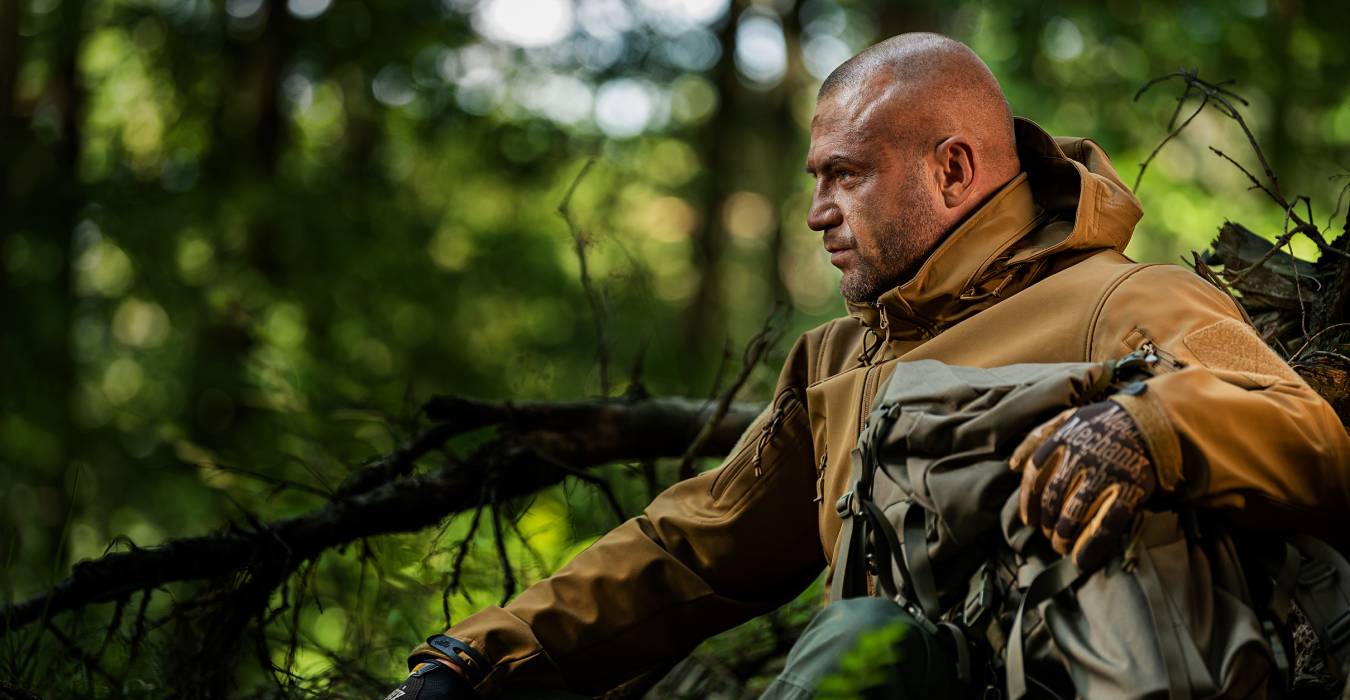
The growing number of various kinds of dangerous phenomena such as wars, terrorism, armed conflicts, blackouts, climate change and natural disasters are causing an increasing number of people to take an interest in the subject of survivalism, the basics of the art of survival and the issue of preppers. As threats increase, so does public awareness that a safe and carefree reality is not given to us forever. In the following guide, we focus on the issue of prepping and on preppers themselves. You will learn from it: who is a prepper, where did preppers come from, what kind of events do preppers prepare for, and how to become a prepper.
Preppers and prepping
Preppers and prepping are modern expressions that we mainly associate with survival, survival and with being prepared for any event that is dangerous in its consequences. The meaning of both words can be traced back to the English language, and more specifically to the word prepping, which means nothing more than to prepare.
What does it mean to be a prepper?
To begin with, it is worth explaining what it means to be a prepper. A prepper is a person who, with his or her thinking and the way he or she acts, tries to be prepared for various random situations and events that may pose potential danger to both the prepper himself and his family. The activities of preppers primarily include:
-
gathering water and food supplies,
-
making evacuation plans,
-
searching for or building shelters including bunkers, dugouts, cellars ect,
-
education and practice in survival and survivalism,
-
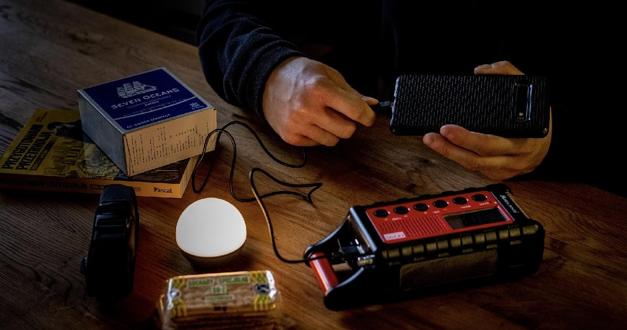
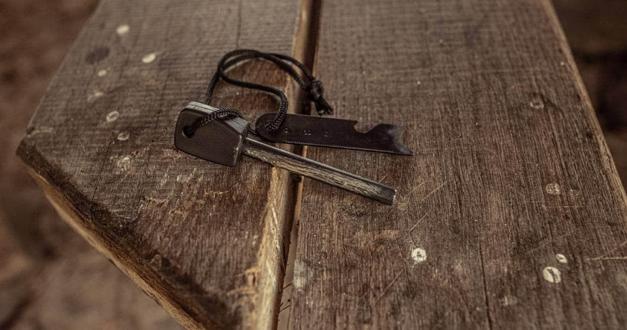
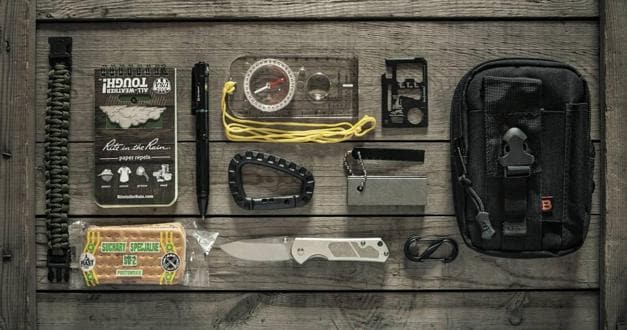
collecting useful items such as: powerful flashlights, batteries and rechargeable batteries, powerbanks, power stations, first aid kits, sleeping bags, various tools, flints, multitools, ropes such as paracord, water purification accessories, and self-defense accessories.
Importantly, gathering supplies and collecting necessary equipment is not the only characteristic of a prepper. Being one also means changing the way you act and think. A prepper is a person who plans, manages and creates various types of scenarios for action in the event of a dangerous situation. Interestingly, many also apply these principles on a daily basis, e.g. checking the location of escape routes or exits during concerts, matches or festivals, for example. In the United States, it is also popular to have a contingency plan for job loss or to work closely with neighbors so that in a difficult situation you can count on their help.
Prepping vs. survival
It is also worth clarifying the difference between prepping and survivalism. In the art of survivalism, unlike prepping, the emphasis is not on gathering supplies, but on focusing on surviving in a given environment (e.g., urban or natural) and using all the resources that can be obtained in that environment. In contrast, the prepper's efforts are focused on both surviving in harsh conditions and maintaining the current standard of living for as long as possible.
It is worth noting that in the art of survivalism a dangerous situation occurs suddenly and unexpectedly, where the knowledge and skills possessed are essential for survival. For this, preppers prepare for the arrival of danger much earlier and in their place of residence.
Where did the preppers come from?
The first people we can call preppers appeared as early as the 1970s and 1980s. During the Cold War era and the resumption of the arms race between the Soviet Union and the United States, there was a real threat of an unpredictable nuclear war. The situation of constant tension caused many people to start seriously considering their own safety and what they could do to be prepared for worst-case scenarios. During this time, many educational, government programs were established that promoted the construction of small fallout shelters and the gathering of supplies that would allow them to survive for many weeks. Interestingly, the 1980s also sparked the emergence of a new trend in art and literature, which was post-apocalyptic pop culture.
Another wave of preppers was sparked by the events of the early 21st century. After the 9/11 attacks in the U.S., the Madrid and London bombings, Hurricane Katrina and the Indian Ocean tsunami, many people began to feel fear not only of war and terrorism, but also bird flu, Blackout, global climate change and the ozone hole, which, combined with economic uncertainty, gradually increased self-awareness and interest in survival and prepper themes.
What kinds of events do preppers prepare for?
Preppers prepare for a variety of scenarios, the consequences of which they cannot always predict. Most often, they prepare for the events they consider most real, and those that may directly affect them. Preppers from the US will prepare for different events, and those from the UK, Germany or Poland. Depending on where you live, the climate zone, the prevailing political and economic situation, the scenarios can be many.
1. Natural disasters
Preppers who prepare for the arrival of natural disasters focus mainly on the hazards that may occur in their area of residence or in the immediate vicinity. Natural hazards may include:
-
tornadoes,
-
floods,
-
fires,
-
earthquakes,
-
violent downpours,
-
landslides,
-
intense snowfall.
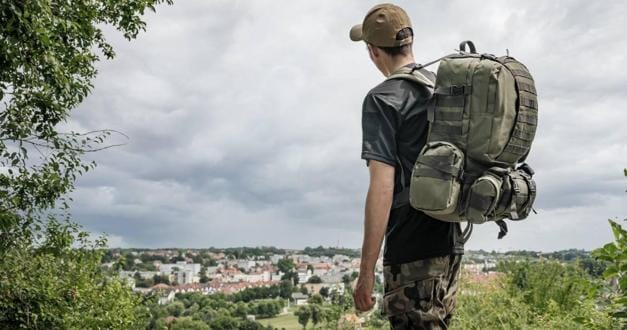
When preparing for a short-lived and sudden natural disaster, the main focus should be on preparing supplies of food, drinking water and medicine to survive the period of recovery and normalcy. You should also consider building a shelter to resist the force of the elements and preparing a BOB (Bug Out Bag) escape backpack, which should contain useful accessories.
When preparing supplies, it is not uncommon for preppers to also consider long-term events with multi-year consequences. These include, for example, soil degradation for agricultural crops, global warming, permanent environmental degradation, a super volcano eruption, an asteroid strike or a global nuclear conflict.
2. Wars and armed conflicts
Wars and armed conflicts represent another dangerous scenario for which preppers are preparing. The most serious threats include:
-
conventional wars involving nuclear and/or biological weapons,
-
terrorist attacks,
-
cyber-attacks, e.g. on the stock market and financial market.
Preppers preparing for a war scenario focus on gathering a stockpile of dry and long term food, water and also useful equipment that may come in handy during an abandonment or Blackout. They also learn many of the principles and techniques needed to survive in various life-threatening situations.
3. Financial crisis
Concerns about the stability of the financial market increased especially after the 2009 crisis. Many people believe that the global monetary system is unstable. Concerns about the stability of the financial market increased especially after the 2009 crisis. Many people believe that the global monetary system is unstable. Preppers preparing for the financial crisis are mainly investing in gold bars, silver, coins, and other precious medals. There is also no shortage of people investing in cryptocurrencies.
4. Peak Oil production
Peak Oil is the point at which maximum peak oil production occurs. After Peak Oil is reached, oil production will decline less and less until oil production stops altogether. Preppers who prepare for this scenario mainly focus on preparedness for the transition period - between the end of oil production and the transition to other energy sources. Among their activities, we can include switching to renewable energy sources, building small home wind turbines or setting up solar panels. Many preppers also choose to move to non-urban areas and farm their own land to become as independent as possible from food prices and availability.
5. Pandemics and biological contamination
Pandemics caused by viruses are among some of the most likely negative scenarios. Preppers are mainly preparing for the effects of the spread of deadly diseases such as Covid-19, and many are stocking up on gloves, masks and hygiene products. In preparation for biological contamination, they are also stockpiling gas masks, coveralls, boots, gloves, batons and much more.
How to become a prepper?
You already know who a prepper is, what it means to be a prepper and what risks are prepared for. If you are wondering how to become a preppers then we encourage you to follow our tips. Let's start by saying that anyone can become a prepper. To start, all you need is a piece of paper and a pen to create a list of risks and an appropriate action plan. It is important to start preparing well in advance, before a particular hazard occurs.
-
Create a proper plan of action and a list of what you need.
-
List the resources and skills you or the entire group have.
-
Set a monthly budget that you want to allocate for prepping.
-
Allocate time for education. Reading books and learning the art of survival will be a good idea.
-
Stock up on the right equipment to help you survive in harsh conditions.
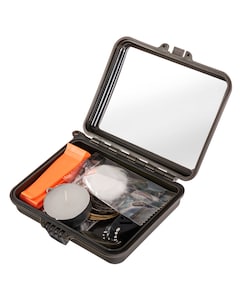


How to become a prepper? Try to be as self-sufficient as possible to make yourself as independent as possible from external factors. Also follow the general rules of every prepper:
-
Resourcefulness and frugality - these are among the basic principles of every prepper. In order to accumulate a large stockpile, it is not uncommon for preppers to give up unnecessary goods. They also try to have a safety net in case of financial problems.
-
Education and hazard awareness - preppers spend a lot of time honing their survival skills and acquiring the knowledge necessary for survival. Preppers' awareness of the dangers around them ensures that preppers know which items will be useful and which will not.
-
Annual stockpile - one of the priorities of preppers is to accumulate an annual stockpile of products that will enable them to maintain their expected standard of living at the time of an emergency. These products include, but are not limited to: canned foods, dry foods including rice, beans, peas, flour, bottled water, water filtration devices, and energy sources like batteries, rechargeable batteries, etc.
-
Hardworking - every prepper knows that hard work is necessary to achieve all goals set.
-
Independence - is one of the most important principles of preppers. It refers to the ability to survive independently in difficult conditions.
Preppers take responsibility not only for their lives, but also for the lives of their families. He tries to provide them with shelter and the necessary energy to survive. It is worth mentioning that for many preppers, their activities are also a passion that they want to share with others. Preppers don't just gather supplies and write worst-case scenarios. Many of them spend a great deal of time honing their own survival skills and learning about nature, geopolitics or atmospheric phenomena.