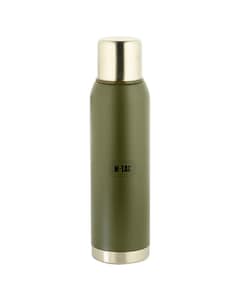
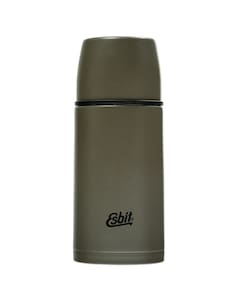
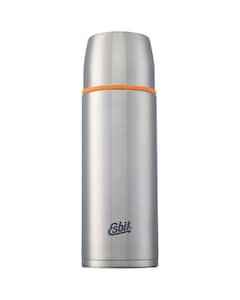
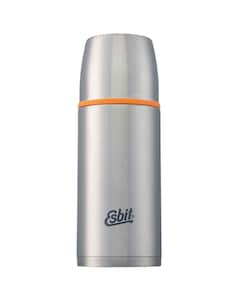
How to clean and care for thermos?
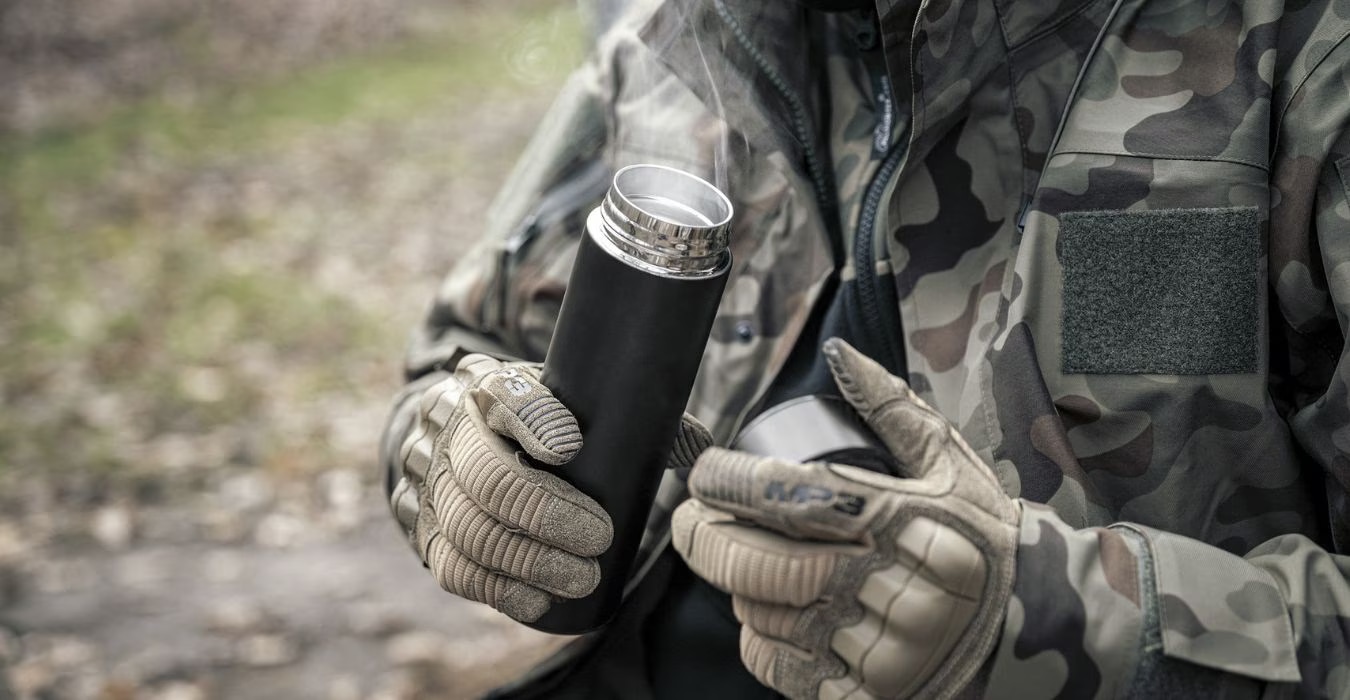
Whether you use your thermos occasionally on trips or on a daily basis at work or university, it is worth taking care of its cleanliness and maintenance. This is important because it affects the lifespan of the thermos as well as all its components. In this article you will find out: how to clean your thermos from all kinds of dirt, how to remove tea deposits in your thermos, how to descale your thermos and how to clean the thermos cap. We will also tell you how to look after your thermos so that it will last for many years.
How do you clean a thermos from various dirt?
Cleaning a thermos is a deceptively simple task, but there are a few rules to follow to avoid damaging the vessel. It needs to be performed periodically. This is primarily to prevent unpleasant odours or the multiplication of bacteria - after all, you are storing foodstuffs in it.
Before cleaning the thermos, empty it and take the cap apart. On some models you can also remove the gasket at the thread. It is a good idea to get special brushes with soft bristles for cleaning bottles, elongated glasses and dishes. If you do not have one at hand, use a soft sponge or cloth.

How do you clean a thermos of coffee and tea sludge?
A thermos is most commonly used for storing and transporting hot beverages such as coffee or tea. However, over time, unsightly deposits can begin to form on the walls of the thermos. This, in addition to changing the appearance of the inside of the vessel, can also alter the taste of the beverage. If you are wondering how to remove deposits from tea or coffee in your thermos, we recommend the following products, which you can easily find in any shop:
-
Baking powder
To remove dirt with baking powder, prepare a solution from one packet dissolved in hot water (in an amount equivalent to the capacity of the thermos). Then pour the solution inside the thermos and set it aside for about two hours. After this time, pour out the contents of the thermos, rinse under running water and set aside to dry.
-
Baking soda
Baking soda has many properties, but not everyone knows that it is excellent at removing all sorts of dirt. To remove deposits from your thermos, prepare a solution of warm water (equivalent to the volume of the thermos) and 3-4 teaspoons of baking soda. Pour it into the thermos for several hours. After this time, rinse the thermos with warm water, wash with a mild dishwashing detergent, rinse again and dry. Rinsing the thermos with the baking soda solution can be done periodically as a preventative measure.
-
Citric acid
Citric acid is an ingredient in many drinks. It is worth knowing that this remedy effectively kills bacteria and fungi. If you want to clean a thermos with citric acid, pour the contents of a 20-gram packet into a container and then pour hot water over it. Leave the thermos with the solution for two hours and then rinse it thoroughly under running water.
-
Dishwasher tablet
You can use a dishwasher tablet to clean the thermos. First crush it and pour it into the thermos, then pour hot water up to about half the height of the vessel. Then cap the vessel and shake vigorously until the tablet is dissolved. In the next step, add hot water to the full amount and set aside for at least two hours. After pouring out the contents of the thermos, it is a good idea to wash it with dish liquid.
-
Bottle cleaning tablet
Cleaning tablets designed for cleaning bottles will work equally well for removing sediment from a thermos. Put the tablet in the dish and pour hot water over it, but as it foams intensely, do not fill the thermos to the brim. Set aside for two or three hours and then rinse.
-
Rice
Rice grains are often used to clean all sorts of containers, so they will also work well for thermoses. Pour a handful of dry rice into a container and pour halfway through with cold water. Then shake the twisted thermos vigorously. This can be repeated if the sediment is not completely removed on the first attempt. Afterwards, simply rinse the vessel with water.

How do you get rid of an unpleasant smell from a thermos?
Removing odour from a thermos is simpler than you might think. Products that many people usually have in their kitchen can be used for the whole process. It is a good idea to start by washing the thermos as standard with warm water and washing up liquid. You can then use one of the methods we have suggested:
-
A solution of baking soda or baking powder - already familiar to you from earlier in this article.
-
Lemon juice solution - squeeze the juice of one lemon into a thermos and pour hot water over it, let stand for at least an hour. Then wash the thermos and rinse with cold water.
-
Sugar - pour a tablespoon of sugar into a thermos, cap and set aside for a few hours. Then rinse with warm water.
How to descale a thermos?
The problem of limescale build-up in a thermos only affects models made of metal. Limescale build-up can be a nuisance, especially if your tap runs hard water. Vinegar or citric acid can be used to descale the thermos.
|
|
|
|
If you want to use vinegar then you should be careful. It has a very strong, irritating smell, so the thermos should be aired for several hours after use. Pour 50 ml of vinegar into the thermos and fill to the brim with hot water. After 30 minutes, pour out the contents, then wash the thermos thoroughly with washing up liquid and set it aside for a few hours. However, this is an emergency solution that we would rather not recommend as a frequent way of getting rid of odour. |
Using citric acid is much easier. Put a packet of acid in a thermos, pour hot water to the top and leave for 30 minutes. Then pour out the contents and wash the vessel with ordinary dishwashing detergent. |
How to get rid of mould from a thermos?
Mould, in most species, is a fungus that is pathogenic to the human body. Therefore, if mould appears in your thermos, it must be removed quickly and effectively. How do you clean a thermos from mould? Use lemon or citric acid (1 teaspoon of acid powder corresponds to ¼ cup of lemon juice (approx. 4 tablespoons).
To remove mould from the thermos, first empty it. Then rinse with hot water and wash with washing up liquid. After rinsing the liquid out of the thermos, rub the inside walls with lemon, throw in lemon slices or pour in freshly squeezed juice and set aside for an hour. After this treatment, wash the vessel again and set it aside to dry. A good preventive step is to pour a few tablespoons of salt into a dry thermos. However, you must remember to rinse the thermos before pouring in the coffee, tea or other beverage.
How do you clean a thermos stopper?
The cleanliness of the thermos stopper is just as important as the cleanliness of the entire vessel. A soft toothbrush should be used to clean the cork. If there is no major dirt on the surface of the cork, then wash it with a small amount of dishwashing liquid.
Before cleaning the cork, disassemble it into as many pieces as possible, including pulling off the rubber seals, as there may be drink residue underneath.
If there are any of the above-described problems with the cleanliness of the vessel, such as odour, scale or mould, you can treat the cork using the same methods. You can use soft bristle brushes to clean or prepare solutions to dip the thermos stopper.

How to look after a thermos?
You already know the ways to clean your thermos of hard-to-remove dirt. It is also useful to know how to take care of your thermos so that you need to use the methods described above less often. Taking care of your thermos will also help to prolong its life.
Thermos maintenance - basic principles
Regular maintenance of your thermos will ensure that it serves you for a long time. In order to keep your vessel in good condition, it is worth following these simple steps:
-
1. Watch out for mechanical damage. You obviously have no control over every bump your thermos experiences, but you can protect it from damage to a certain extent. Take care that sand and other debris does not get into the threads of the vessel. Damage to the threads will cause the thermos to lose its tightness.
-
2. Avoid pouring fizzy drinks, milk or other products that quickly lose their freshness into the thermos. This will prevent the growth of bacteria inside the thermos.
-
3. Before using the thermos, prepare it in the right way. Depending on the temperature of the drink you want to pour into the thermos, first pour hot or cold water over it for a few minutes. This will ensure that the thermos keeps the temperature for longer.
-
4. Remember to wash the thermos regularly.
-
5. Make sure the thermos is dry before storing it in the cupboard after washing.
Is the thermos dishwasher safe?
The answer to the question "Can a thermos be washed in the dishwasher?" is generally no. As a rule, thermoses are only washed by hand, although more and more manufacturers are adapting their products to be dishwasher safe. You will find information about the dishwasher capability of the thermos in the instructions that come with the product. If you do not find such a provision, do not risk damaging the thermos in the dishwasher.
Offer of thermoses in the Militaria.pl shop
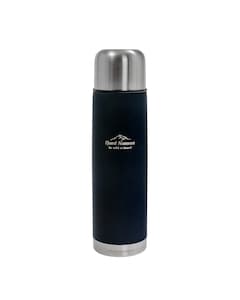
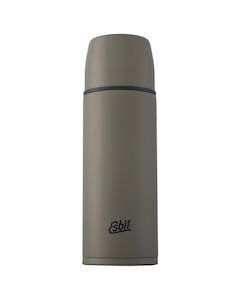
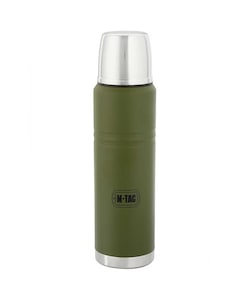
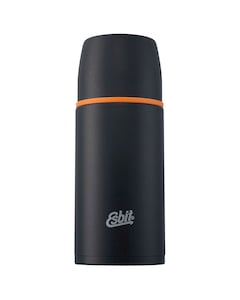
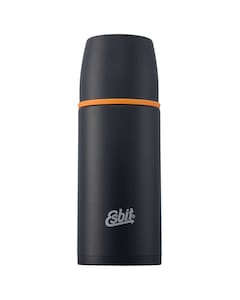
In the offer of the Militaria.pl shop you will find a wide selection of thermoses. Among the types of thermos you will find models designed to store drinks and food. Military thermoses are also available, as well as products personalised with an engraving. The vessels in our range come from well-known and proven manufacturers such as Badger Outdoor, Coleman, Esbit, Fjord Nansen, Mil-Tec, Rockland, Salewa or Tatonka.