How do you choose a sleeping bag?
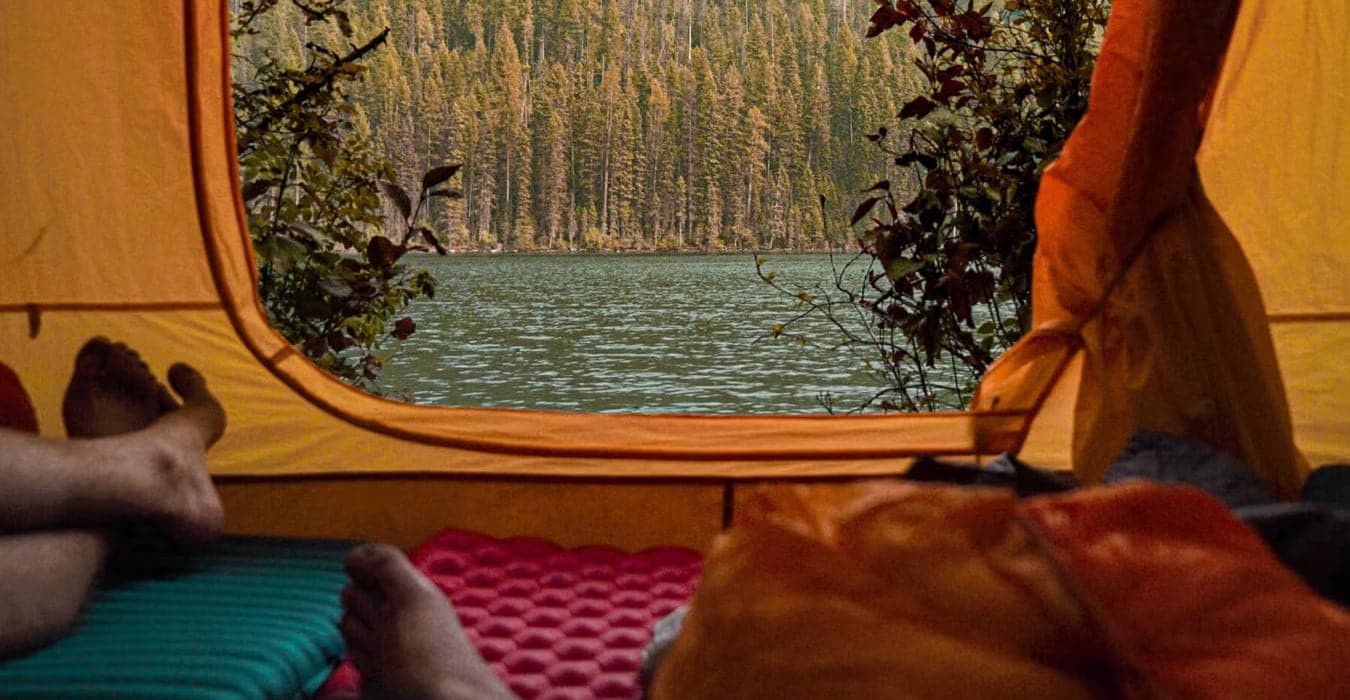
To sleep comfortably in a hostel, tent or even in the open air, you need the right sleeping bag. The choice is very large, so you can adjust the sleeping bag from your needs and type of activity. What should a good sleeping bag be made of? What shape is best? What temperatures should it be suitable for? Read our guide and choose the best sleeping bag for you.
Sleep well in the right sleeping bag
Choosing the right sleeping bag is very important. For example, during a winter trip to the mountains, it will protect you from low temperatures and prevent your body from cooling down. In less extreme conditions, it will ensure a good night's sleep, which will translate into benefits for your health and well-being:
-
Better sleep affects your ability to recover. Poor sleep reduces the body's production of cytokines, proteins that attack infections and inflammation.
-
Rested you are more focused on what you are currently doing. That's why the right sleeping bag, mat and accessories will help prevent... the injuries you can get if you go out on the trail ill-prepared.
-
Sleep plays an important role in regulating temperature, boosting a strong immune system, maintaining steady hormone levels and a good appetite. All of these factors affect how you approach a hike each day.
A good night's sleep will ensure that you are energized and properly mentally prepared for the next adventurous day. Therefore, you should choose a good sleeping bag to ensure the best possible sleep.
What does temperature sensation depend on?
Feeling the temperature is a very individual thing. Some people prefer warm conditions, while others sleep better in lower temperatures. You may also feel warmer or colder depending on many variables:
-
Weather conditions. High humidity, rain and snowfall all affect how you feel about the temperature in your sleeping bag. Take into account all the changing weather conditions you may experience during your trip.
-
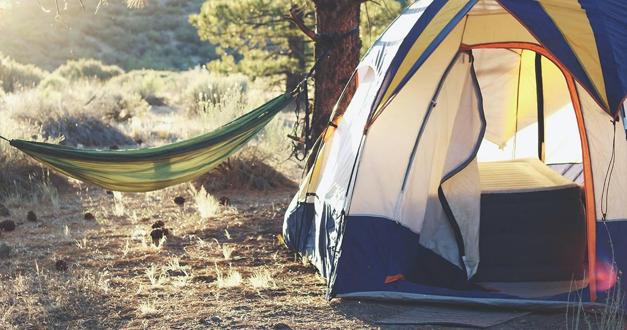
Sleeping space. There is a big difference between sleeping in a hostel or lodge and sleeping in a tent. In a tent, use a mattress or mat. Laying down to sleep directly on the floor of the tent is uncomfortable and leads to quick exit through contact with the ground.
-
Sleeping clothes. You should not sleep in thick clothes and your sleeping bag should provide such conditions that this is not necessary. If it is cold, a thin base layer with good socks and a hat should suffice.
-
Nutrition and hydration. If you go to bed with an empty stomach, you are more likely to feel cold. Make sure you provide your body with enough calories so you can generate enough heat. Eat well and hydrate on expeditions.
Take these factors into account when choosing a sleeping bag, as well as when you are getting ready to sleep in a sleeping bag when it gets cold.
Sleeping bag material
Sleeping bags with different types of filling are available for sale. The material for a sleeping bag matters, as they provide different levels of insulation and warmth, and also differ in weight and durability. Read what are the advantages and disadvantages of down, synthetic and other material fillings.
Sleeping bags with down filling
A down sleeping bag can be suitable for multi-day overnight hikes, chilly camping conditions, world travel or alpine adventures.
| Pluses: | Minuses: |
|
|
|
|
|
|
|
|
Sleeping bags with synthetic filling
The synthetic sleeping bag is suitable for many uses, including overnight hiking, camping and traveling in a variety of climates.
| Pluses: | Minuses: |
|
|
|
|
|
|
|



Silk sleeping bags
The silk sleeping bag is a self-contained layer - we are not talking about a filling, but a bag made of silk. It is designed for sleeping in tropical conditions, it is used to cover yourself and protect you from mosquito bites and other insects. In winter conditions, it can be used as an additional insulating layer and a sheet for a regular sleeping bag. By using the silk sleeping bag as a sheet, you can easily wash it instead of throwing the main sleeping bag in the washing machine, so you're less likely to put it through wear and tear and prolong its life.
| Pluses: | Minuses: |
|
|
|
Wool sleeping bag
Wool sleeping bags are designed for children, put in as an extra layer in the stroller. Among travel accessories, you can find a merino wool sleeping bag filling, used as an extra layer of warmth. Merino wool sleeping bag inserts can also be used as a summer sleeping bag.
Best sleeping bag shape
Accustomed to sleeping under a comforter, we tend to expect similar comfort from a sleeping bag. We want it to give us adequate space to turn around, stretch and stretch our limbs. However, this is not always possible in a sleeping bag because of its shape, which is related to temperature maintenance. The tighter the sleeping bag, the better the thermal insulation.
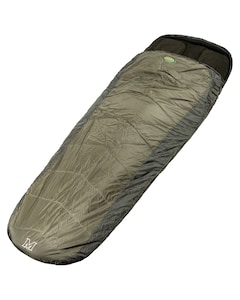
Sleeping bags come in three basic shapes:
1. Rectangular sleeping bags.
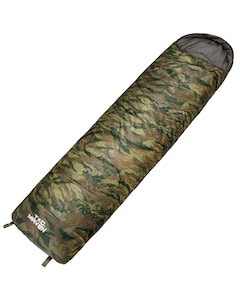
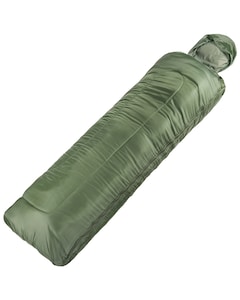
Also called an envelope. They provide plenty of room to stretch your legs and arms, and some can be completely unzipped and used like a quilt. Two such sleeping bags joined together make a great sleeping bag for a couple.
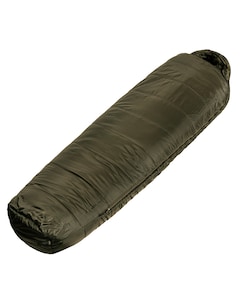
2. Mumia.
This shape provides more warmth and takes up less space when packed, but at the expense of freedom. To increase warmth and reduce weight, this style of bag is close-fitting - you roll over with the sleeping bag, not inside.
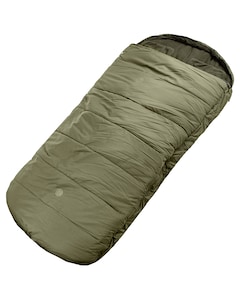
3. Semicircular.
Also known as a modified mummy. This name covers a variety of shapes, all of which offer a compromise between warmth and roominess.
If you are going on an extreme expedition, pay attention to the hood as well. It should have drawstrings so that you can fit it tightly around your head. This will help you avoid losing heat.
How to wash a sleeping bag
Regardless of whether sleeping bags are filled with puchem or synthetic fibers, dirt can affect insulation capabilities. For this reason, and for hygienic reasons, you need to wash your sleeping bag once in a while. Shake out the sleeping bag after returning from an expedition. Check the manufacturer's washing recommendations on the label. When buying a new sleeping bag, too, pay attention to whether the chosen model can be easily washed.
If the sleeping bag is machine washable, be sure to wash one at a time. Put a few tennis balls in the drum to balance the load. Choose the right detergent - preferably a special detergent for washing sleeping bags. It will not only refresh the material, but also the waterproof properties. Choose a detergent suitable for the type of filling. We recommend using a gentle cycle and cool water. After washing, run an additional rinse and spin cycle to make sure all soap and excess water is removed.
The best option is to air dry the sleeping bag. While it will definitely take longer, you are guaranteed to protect the outer shell and insulation from overheating. If you must tumble dry your sleeping bags, set the temperature very low and make sure there is enough room inside for the load to rotate freely.
You can read more about how to properly wash a sleeping bag in a separate article.
Sleeping bag for summer, mountains, winter
How to choose a sleeping bag that will work in different conditions? If you are looking for a versatile sleeping bag that will serve you all year round, you are in for a difficult task. It will be much easier to choose the equipment you need only in the summer, for example. Let's summarize the most important information about the different materials and other features of sleeping bags.
Down sleeping bags provide good thermal insulation and are lightweight. So they can be great for extreme expeditions and trips to the mountains. They will also work well in the summer in the mountains and when sleeping under a cloud. If you care about thermal insulation, then choose the mummy shape. The downsides of down sleeping bags are high price and susceptibility to moisture - down gets wet easily and is difficult to dry.
Sleeping bags with synthetic insulation are inexpensive, fairly lightweight and compress well. When they get wet, they still provide thermal insulation. These advantages make synthetic sleeping bags best suited for trekking and tenting. They are also safe for allergy sufferers; synthetic fibers do not cause allergic reactions.
Silk sleeping bags can be used as a stand-alone sleeping bag or a sheet. They are ideal for trips to the tropics as protection against insects in hot climates. Silk is cool to the touch, so uncovering yourself with it in the heat is pleasant. In cold climates, you can use it as a sheet for a traditional sleeping bag.
Check out our other sleeping bag guides, where we discuss in detail how to choose a sleeping bag for different seasons and how to wash camping accessories sleeping bags for winter - read more. Information on sleeping bags for spring. Take a look here if you are looking for sleeping bag for the summer or sleeping bag for autumn.