Night vision device vs thermal imager
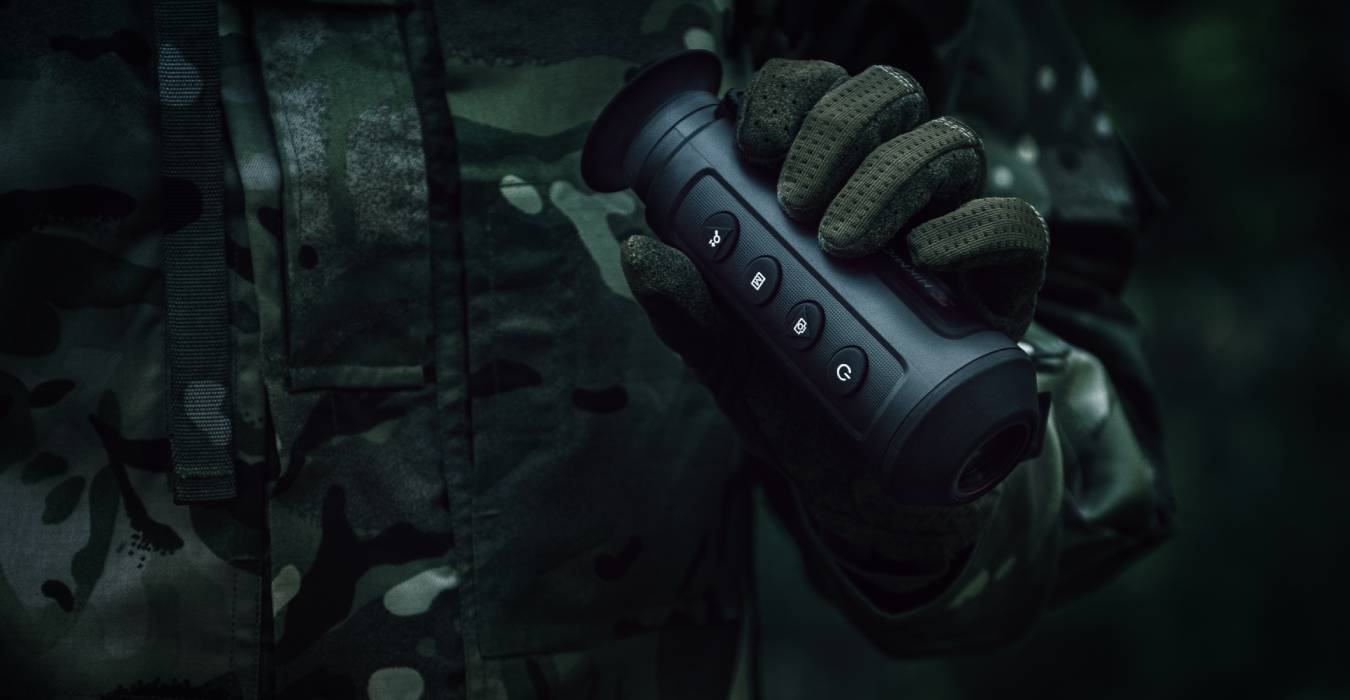
Wondering what the difference is between thermal imaging and night vision? In this tip we explain the most important issues related to these devices and tell you what the main differences are. You'll also learn what night vision and thermal imaging are used for and when.
What is night vision and how does it work?
Night vision devices are divided into analog and digital. An analog night vision device is a very specialized device that, by combining an optical system with an electronic system, allows observation in low-light conditions. The optical system collects and transmits light from the environment to the electronic system, which then amplifies and directs the image to the observer's eye. There are fewer and fewer such night vision devices on the market and they are being effectively replaced by digital models.
As night vision amplifies light, first the surroundings must be at least somewhat illuminated. Otherwise, you may not see anything through it in total darkness. Usually moonlight or starry skies, or one of the two, will suffice.
More advanced models of night vision devices are additionally equipped with an infrared light emitter. This is a small electronic device built into the night vision device, which sends out an almost imperceptible beam of infrared light, which is later amplified by an electronic circuit. Such a solution allows observation even in total darkness, in worse weather conditions and with greater detail. The infrared illuminator for night vision works on the same principle as a flashlight for our eyes. When we can't see anything, we turn on the flashlight, so we can see better and clearer.
How does digital night vision work?
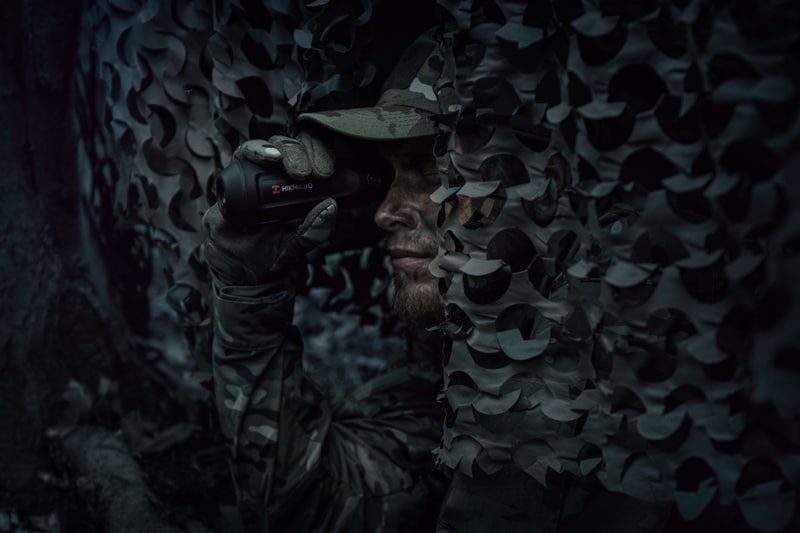
Digital night vision works differently from analog models. A sensor is built behind the lens, which captures the image. The same sensor then converts the image into an electronic signal and eventually displays it on a screen in front of the eye. Since the image you see is not transmitted in real time, digital night vision devices have different frame rates. The higher the frequency, the smoother the image the observer will see. Good digital night vision devices have a frequency of 50-60 frames per second.
As with analog night vision devices, digital devices can be equipped with an infrared illuminator, which is designed to allow the image to be transmitted in total darkness. Keep in mind, however, that when using the illuminator, the effective range of observation is lower and limited to the maximum infrared range.
How can you see through night vision?
In the case of analog night vision devices, most often the image visible through the night vision device is green. Why is this so? This color is characterized by the largest range of shades. This has the effect of making objects and details more recognizable. The green color is also the least tiring to the human eye, which allows for prolonged observation without much eye fatigue.
Digital night vision devices transmit a black and white image, but you can digitally magnify the image, which is impossible with its predecessor. Digital magnification significantly affects the quality of the image (degrades it), similar to digital magnification in smartphones or cameras.
What range does the night vision device have?
The range of visibility through a night vision device (both analog and digital) depends on the following factors:
-
from the size of the object you want to see,
-
on whether you care about recognition range or detection range,
-
from lighting conditions,
-
from the quality of the night vision device.
The larger the object you want to recognize, the further away you will see it. A house, car or boat will be visible from a much greater distance than a human silhouette or a small animal. The case is similar with lighting - if the sky is starry and the moonlight bright, then the range will be better than with cloudy skies.
The quality and range of observation is also affected by the generation of the night vision device. They are available in the civilian market in two generations:
| 1st generation of anolog night vision devices | 2nd generation of anolog night vision devices |
|
Popular, relatively inexpensive night vision devices that, in a moonless, starry sky, allow you to see a human silhouette from a distance of about 100 meters. |
More advanced models that have built-in amplifiers with very high frequency and high-resolution images. |
|
If they are additionally equipped with an infrared light emitter, the range increases to about 200 meters. |
Such equipment, without additional light emission, allows a person to be seen from up to 500 metres away. |
Digital night vision devices almost always have better range than generation 1 of analog night vision devices, but worse range and image quality than generation 2. Instead, they are definitely cheaper than generation 2.
Recognition range and detection range - how they differ
We divide night vision range into recognition range and detection range. Recognition range is the ability to see the details of an object, such as when you want to recognize a man and a woman. Detection range, on the other hand, is the distance from which you will notice that somewhere in the distance there is an object, unspecified. Wanting to know from what distance you will recognize an object, be guided in your purchase by the recognition range (this is the one usually quoted by manufacturers).
Night vision - application
While night vision was originally intended mainly for military purposes, this has changed over the years. For example, night vision works well for border guards, who can observe their surroundings at night in search of intruders. The device also works well for large, protected facilities that are monitored at night and secured against intrusions. Finally, a night vision device can be purchased by any nature lover who enjoys night observation and is curious about the life of wild animals in the forest or mountains.
Digital and analog night vision - advantages and disadvantages
Each type of night vision has its own advantages and disadvantages. See what they are for analog and digital models.
Anolog night vision devices
Advantages of anolog night vision devices:
-
a realistic, high-contrast image, especially in Generation 2,
-
rarely requires additional infrared illumination,
-
less sensitive to glare than digital night vision devices - for example, during or after rain,
-
less tiring for the eyes during long observations.
Disadvantages of anolog night vision devices:
-
generation 2 price - definitely higher than digital devices,
-
generation 1 transmits a picture of far lower quality than digital devices,
-
no additional functions, such as taking pictures or recording videos,
-
no daytime observation - can cause damage to the image intensifier tube.
Digital night vision devices
Advantages of digital night vision devices:
-
Much cheaper than 2nd generation analog night vision devices,
-
often process images in similar quality to 2nd generation analog devices,
-
often process images in similar quality to 2nd generation analog devices,
-
The ability to observe day and night,
-
additional features like recording and taking pictures, then transferring to a smartphone or laptop,
-
zoom capability.
Disadvantages of digital night vision devices:
-
small screen and a greater chance of eye fatigue during long observations,
-
with the infrared illuminator on, the image around is usually very bright, you can't see the details,
-
higher battery consumption, so the need for a spare battery for longer observations.
Summing up both devices, digital night vision devices are by far the better models for the average user, considering value for money. They are also very popular, so you can buy and service them more easily. Good digital night vision devices can be found in the offer of our Militaria.pl store.
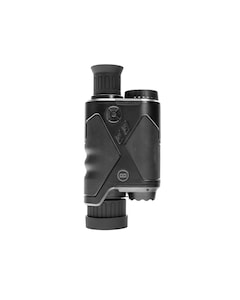
What is thermal imaging?
Thermal imaging devices, unlike night vision, do not use visible light to process the image. Thermal imaging uses infrared radiation and thermal energy to gather information about the observed object to show an image. It's a technology gaining popularity that also works well in total darkness because it doesn't rely on ambient light. It can also work properly in the rain, in fog, and in a smoke screen. It is worth remembering, however, that a smoke screen of grenades, such as from a tank, will be hot for a short period of time after activation, and is therefore also an effective thermal camouflage.
So how does thermal imaging work? The device records and evaluates the interaction of reflected, absorbed and transmitted heat. The level of thermal radiation emitted by the observed object is called the heat signature. The more heat an object emits, the more radiation enters the environment. The thermal imaging camera then identifies heat sources and differences (even small ones) in radiation and creates a heat map, based on which it transmits real-time images to the observer in different color scales. These are usually shades ranging from blue to orange and red.
Thermal imaging is usually clear both day and night, which unfortunately is not possible with budget night vision devices and is not standard even in higher generations. Thermal imaging cameras are designed to capture temperature differences in as much detail as possible in order to later process this into a bright and clear image for the observer, regardless of the prevailing weather conditions.
How can you see through a thermal imager?
Many models of thermal imagers have different modes available in which the image is to be displayed, and these can be:
-
White hot - the more heat an object emits, the brighter its tone will be.
-
Black hot - the higher the temperature of the object, the darker its color.
-
Red hot - similar to "black hot", but with red highlighting the hottest elements.
-
Fusion - a color scale from low to high temperature, where blue means low temperature and red/orange means high temperature. The image is in color.
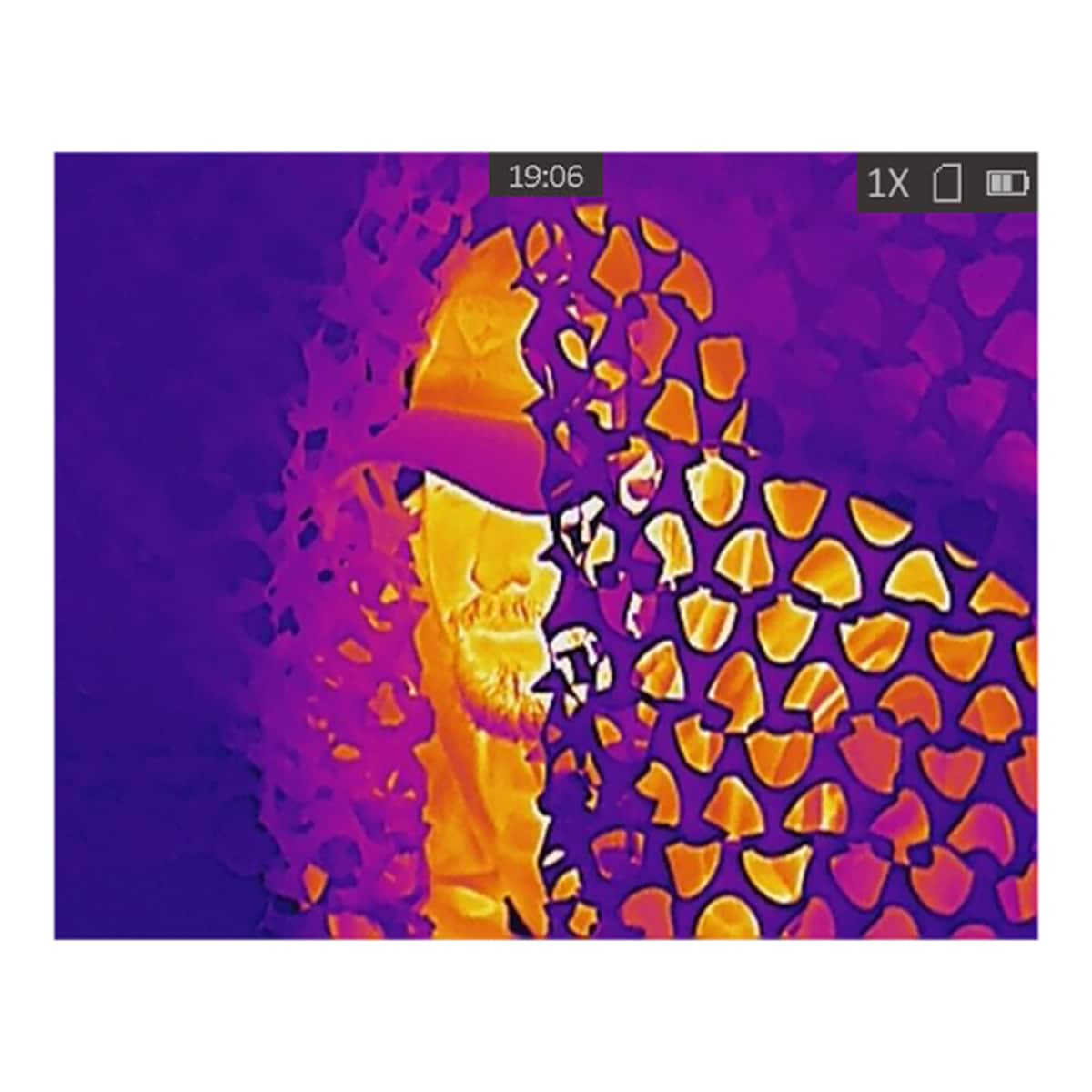
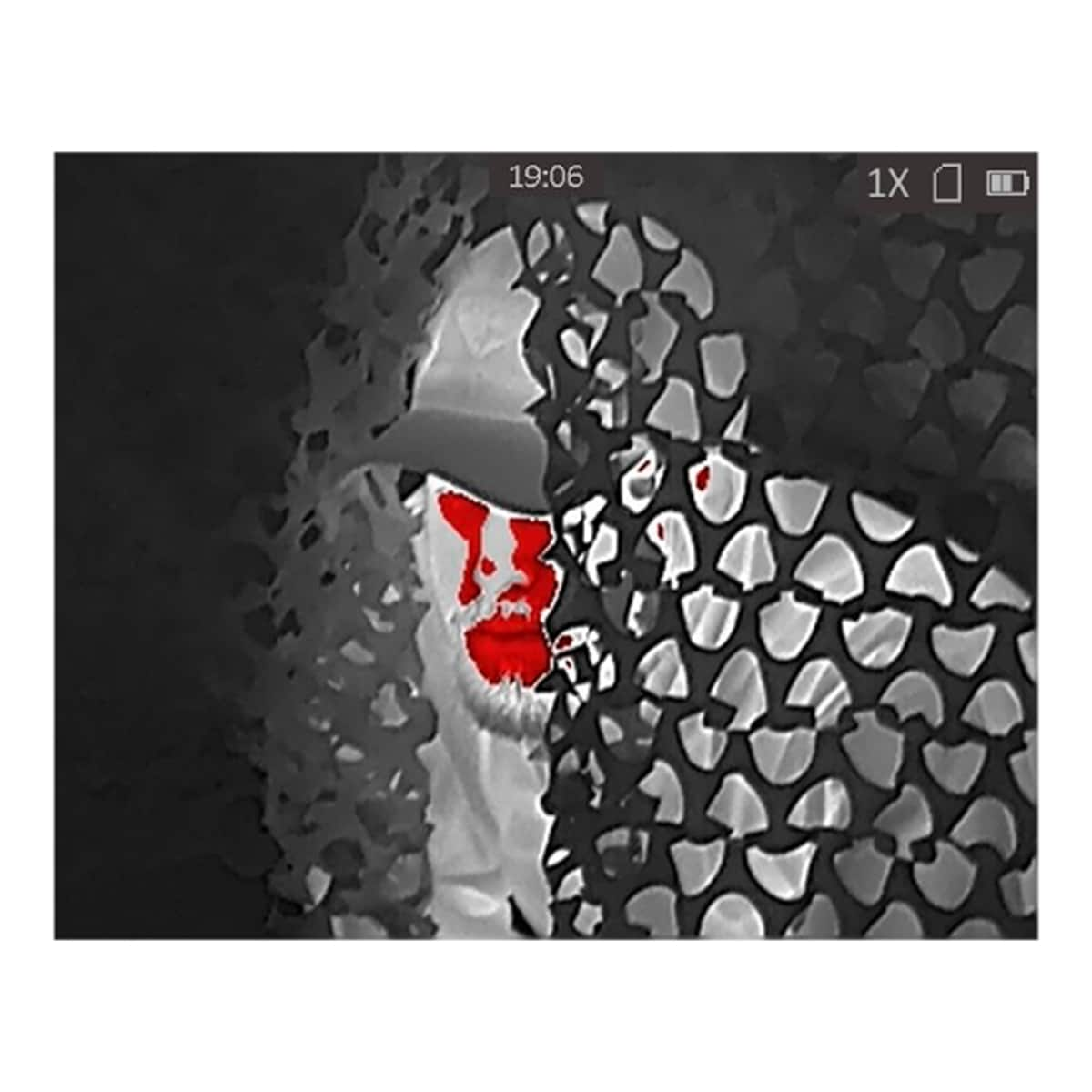
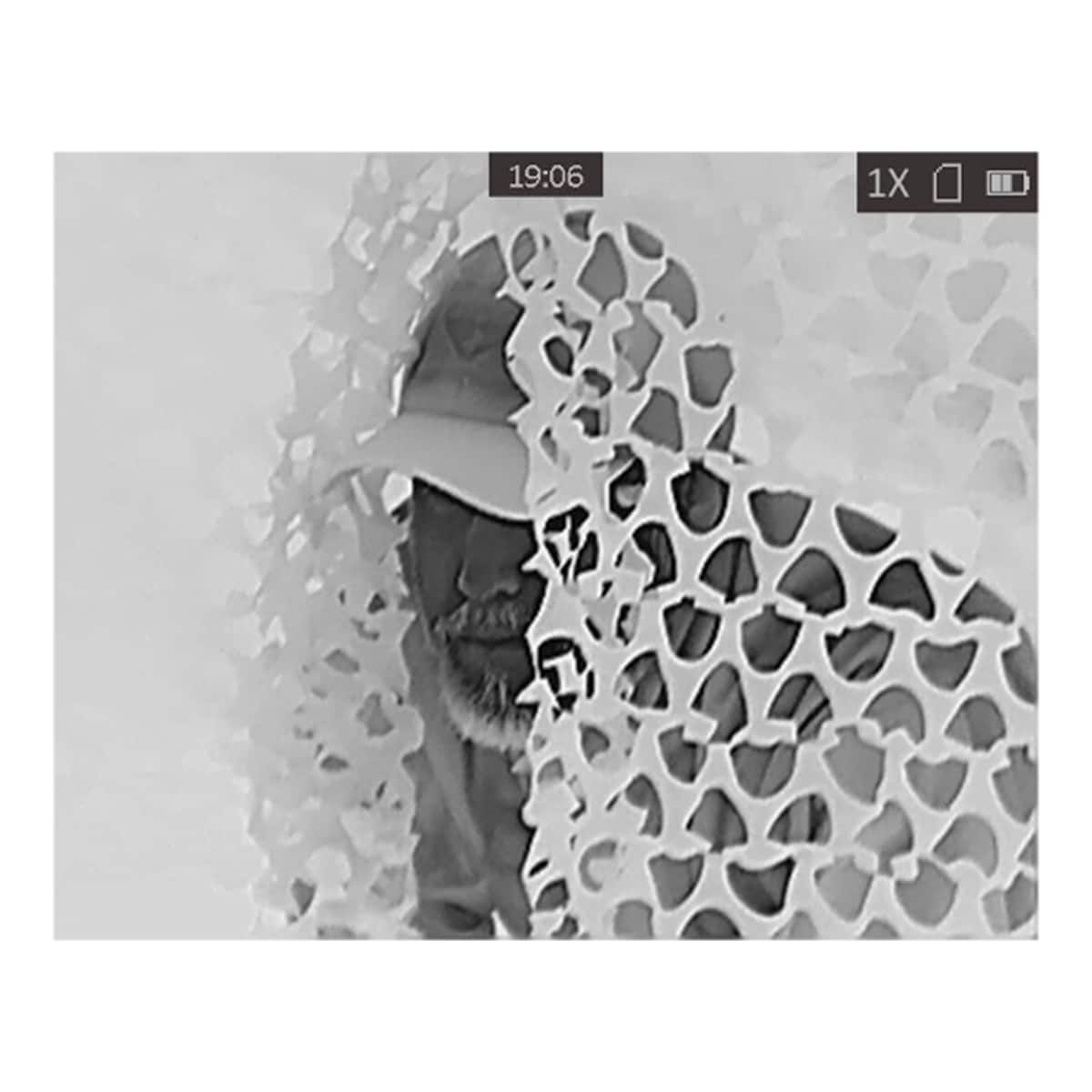
Fusion Red hot Black hot
What is the range of thermal imaging?
It is difficult to clearly define the range of thermal imaging cameras. Both observation range and object detection will depend on:
-
the size and temperature of the object,
-
detector size in thermal imaging,
-
The type and size of the lens used in thermal imaging,
-
weather conditions.
Manufacturers often provide an approximate distance and you will find such data in the product descriptions in our store.
Application of thermal imaging
Thermal imaging devices, like night vision, can be used professionally and amateur. They will be used by police and law enforcement, rescue, border guards and the military, as well as nature and wildlife observation enthusiasts.
Night vision and thermal imaging - differences and similarities
Thermal imaging and night vision are completely different devices, and their greatest similarity is that the task of one and the other is to make it easier or at all possible to observe in conditions where the human eye cannot cope - that is, in the dark, and through bushes or generally difficult terrain. Everything else is the differences between the equipment. Both in terms of how the observer feels, as well as the operation and construction of the equipment itself.
The main difference between thermal imaging and night vision is what they use to reproduce the image, usually in the dark. Night vision uses light, while thermal imaging uses the emitted or reflected heat from the object being observed. This further translates into other differences like image quality, range of vision, ability to see the object in different conditions and ultimately equipment prices.
In the case of a thermal imager, the image is not very realistic and is more a collection of colors than an actual image. This makes night vision better for recording and taking pictures, for example, for observing a target and moving in unlit terrain at night. Thermal imaging, on the other hand, provides better visibility in the dark and distinguishes objects - for example, a person from a building (through emitted temperature).
Night vision, especially analog, transmits a very realistic image. Thermal imaging has a longer range, performs better in more difficult weather conditions and is definitely better at distinguishing between objects. This is because it is not based on contrast, but on emitted heat.
The difference in favor of thermal imaging is lower prices for good equipment and the ability to see through glass - something that is impossible for night vision devices.
Night vision or thermal imaging. Which to choose?
When you want to decide on a night vision or thermal imager, you need to consider what you will use the equipment for, what your image requirements are and under what conditions you will use it. Night vision will work better if you want to observe, take pictures and record the target you are observing, maintaining the greatest realism and reproduction of details throughout the frame. Thermal imaging, however, is more effective during military operations - not least because it is not as sensitive to prevailing conditions as night vision. It will perform well in rain, fog and total darkness.
Both night vision and thermal imaging can be found in the offer of our store. We invite you to take a look at our offer and compare the different models with each other.