Basic rules of knife handling
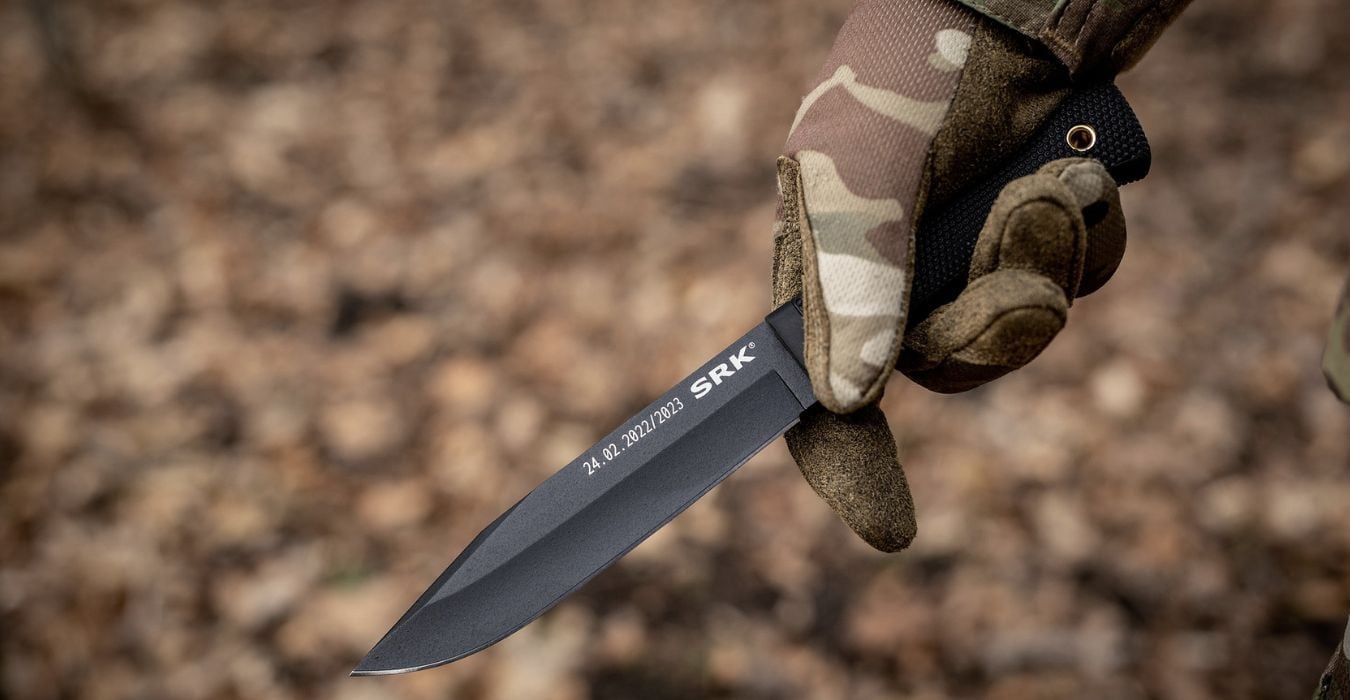
If you have purchased a knife, or are just considering such an investment, it is worth reading some tips on both its use and maintenance. Here is a quick guide to help you use your knife safely, sharpen it correctly and maintain it effectively.
Safety when using the knife
When using a knife, it is crucial to take proper precautions to prevent accidents and injuries. Even experienced users experience situations resulting in cuts. Here are eight important rules to bear in mind when using a knife so as to minimise these risks:
1. Do not load the blade of folding knives
In the case of folding knives do not load the blade in the direction of folding. The locking mechanism protects the fingers of the hand from accidental closing of the knife during use, but can fail if deliberately abused. There is a risk of serious injury!
2. Point the blade of the knife outward from your body
When working with the knife, be sure to point both the tip and the cutting edge away from the body and bystanders. This will prevent an accident in a situation where the blade breaks or slips off the material being cut.
3. Wipe the knife head from the back side of the blade
When wiping the blade of a knife, always do it from the unsharpened side, as the cloth material can be cut and the hand will be seriously injured. In the case of double-edged heads, special care should be taken.
4. Keep your knives sharp
A blunt knife blade requires more force, which increases the risk of uncontrolled slipping. Regular sharpening of the knife reduces the risk of accidents.
5. Choose the right knives for the task at hand
Each knife has its own purpose - for example, a serrated knife is good for cutting bread, but is not suitable for cutting meat. The right choice of knife makes work easier and reduces the risk of accidents. Also remember to cut food on a cutting board, rather than on the kitchen counter, for example. Cutting on a hard countertop surface can lead to accidental knife slips, increasing the risk of cuts or wounds.
6. Hold the knife securely and protect your fingers
Remember to hold the knife firmly and securely. When slicing food, bend the fingers of your hand so that your knuckles touch the knife and your fingers are tucked in. This gives you better control and minimizes the risk of injury.
7. Store the knife in a safe place
Keep knives in knife blocks, on magnetic strips or in special compartments. Avoid putting them loose in drawers.
8. Don't leave your knife in the sink
If you have used a knife in the kitchen, it is best to wash it right away and hide it in a safe place. A knife submerged in water or hidden among other utensils can be easily overlooked. If you reach into the sink, you could accidentally stumble upon it and cut yourself.
How to take care of your knife? - proper maintenance
Proper knife care is crucial for a tool to serve us for many years. Below you'll find tips on how to take care of the knife's various components, including the blade, locking parts and handle.
1. Regularly maintain and protect the knife blade from rust
Knife heads made of high-carbon tool and spring steels (Carbon V, SK5, A2, D2, M2, O1, 1095, 1085, 1055, 50 HS) may rust when exposed to water, fruit and vegetable juice, moisture and sweat. Therefore, they should be wiped dry after each use. Once in a while it's also a good idea to wipe such a head with a cloth soaked in gun oil or oil-based rust remover.
Stainless steels such as: 154CM, ATS34, VG10, 440V (S60V) rust only in very poor conditions and require only occasional maintenance in the form of wiping once every few months with an oil-soaked cloth. In contrast, stainless steels such as S30V, 440C, 440B, 440A, Aus6, Aus8, 420 require virtually no rust protection. However, it is worth lubricating the various parts of the mechanisms so that they work smoothly and flawlessly.
2. Take care of your knife's mechanics
Care should be taken to locking elements of the folding knife head were not contaminated with sand, soil, threads or residues of cut materials - otherwise the lock may not hold securely enough or not work at all. Usually it is enough flush the mechanism under a stream of water, then dry. For larger contaminants - such as resin, use a brush or a piece of wire to remove the dirt. More complicated or hard-to-reach mechanisms can be cleaned with compressed air.
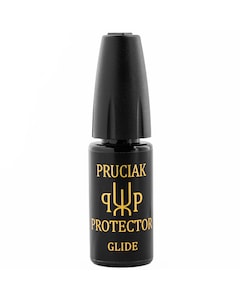
It is not recommended to apply large amounts of grease to the moving parts of a folding knife, as this can result in dust and dirt sticking to them. Besides, grease on the locking mechanism reduces the certainty of its grip. One drop of gun oil near the axis of rotation of the blade is sufficient. After several openings and closings of the knife, remove the excess lubricant with a cloth.
3. Remember to maintain the knife handle
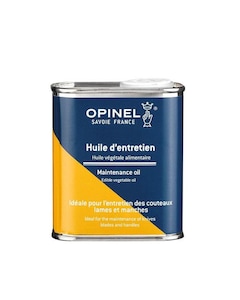
Wooden handles and those made of compressed leather strips lose their original resistance to water and moisture as their surface wears away, so it is worthwhile to occasionally dry and preserve with oil or special wax. Handles made of horn, micarta, stainless steel, injection-molded plastics and laminates like G10 or CarbonFiber require virtually no maintenance.
4. Take care of your knife sheath's care
Leather knife scabbards should be protected from water and dampness and, if heavily soaked, dried and preserved. Cordura scabbards are water and moisture resistant, but may fray on contact with sharp objects, in which case the damaged area should be gently burned with a lighter or the frayed nylon fibres welded with a heated piece of metal.
Scabbards made of Kydex, Concealex, Secure-ex, ABS and other hard plastics do not require any maintenance - however, it is worthwhile to rinse them under running water and dry them from time to time, as the sand particles contained in the dirt and dust deposited in the scabbard can scratch and even dull the knife blade.
Watch our video on how to take care of your knife!



Knife sharpening - the correct technique
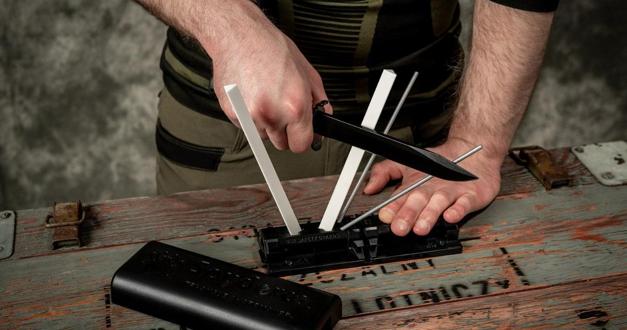
Do not sharpen the knife on high-speed abrasive discs, as this will lead to the hardening of the steel, and thus the loss of such properties as hardness and wear resistance. To sharpen knives there are sharpeners designed for this purpose, which can be divided into:
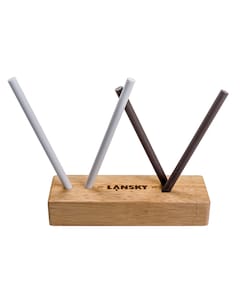
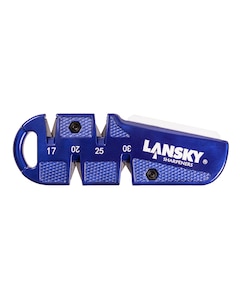
- Forcing a fixed sharpening angle such as: Ka-Bar Redi-Edge, Lansky Easy Grip, Gerber Pocket Sharpener, or larger sets such as those made by Lansky.
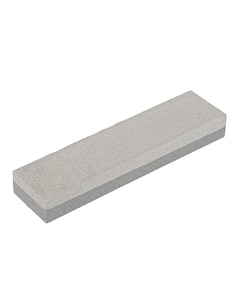
- They require the sharpener to maintain the sharpening angle. They come in the form of flat stones and round rods. The latter are especially recommended for recurve and kukri blades, as the flat surface of the whetstone will not grip the concave part of their blades.
If you want to learn more then read our a guide on what and how to sharpen knives.