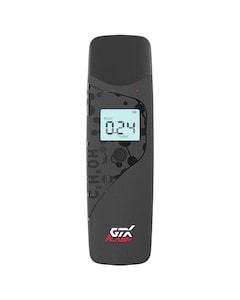
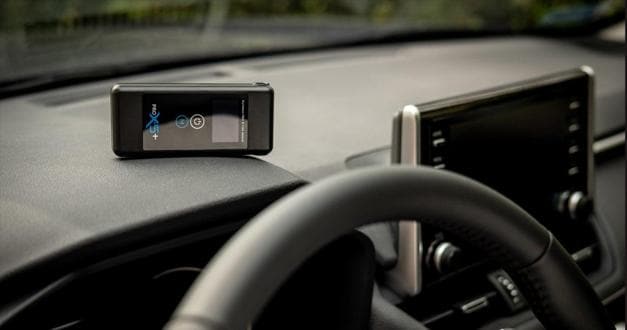
Solid-state breathalysers are compact electronic alcohol testers that use semiconductor sensors to estimate blood alcohol concentration (BAC) from a breath sample, making them a practical tool for personal, workplace and fleet safety applications.
Devices in this category typically rely on a metal-oxide sensor that changes its electrical resistance when exposed to alcohol vapours. This solid-state technology allows manufacturers to build lightweight and portable breath alcohol testers, often with quick warm-up times, short response times and low power consumption. Many solid-state breathalysers offer a digital BAC display, audible or visual alerts when readings reach selected thresholds, and simple one-button operation, which is important when the device is used repeatedly during an evening out or during routine screening.
When choosing a solid-state breathalyser, you usually compare measurement range, resolution of the result, sensor stability over time and the recommended calibration interval. For some users important will be the number of tests per battery set, mouthpiece design (disposable or reusable) and the presence of additional functions such as memory of previous results or automatic power-off. Compared with fuel cell breathalysers, semiconductor models are often more affordable and sufficient for indicative, self-check use, provided you follow the manufacturer’s instructions and treat the result as an approximate guide rather than evidential measurement.
Solid-state breathalysers can be useful for demanding private users who want to monitor their sobriety before driving, for company drivers and fleet supervisors needing simple screening tools, as well as for organisations that occasionally conduct alcohol checks but do not require laboratory-grade equipment. Depending on the model, you may find compact keychain testers, classic handheld alcohol meters or more advanced digital breath alcohol testers with replaceable mouthpieces. By exploring the solid-state breathalysers available at Militaria.pl, you can choose a device with parameters and functions suited to your typical scenarios of use and expectations regarding convenience, durability and measurement repeatability.