Buying a hiking flashlight
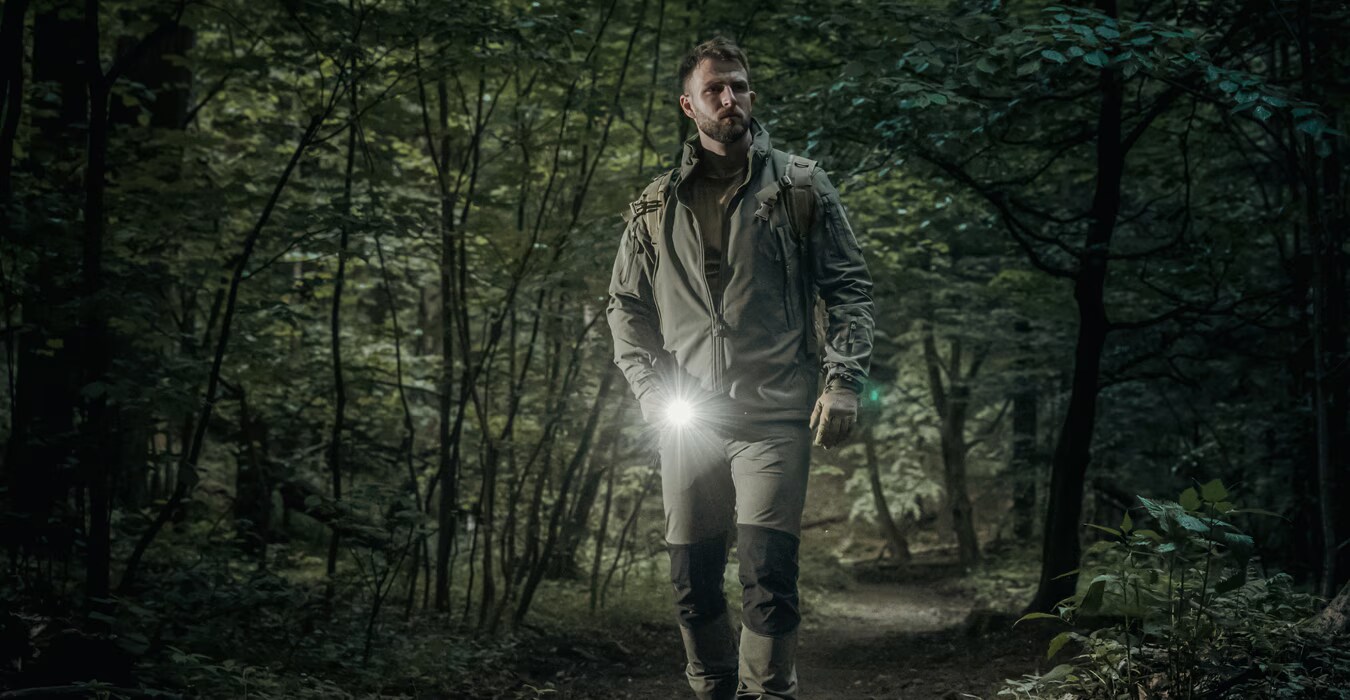
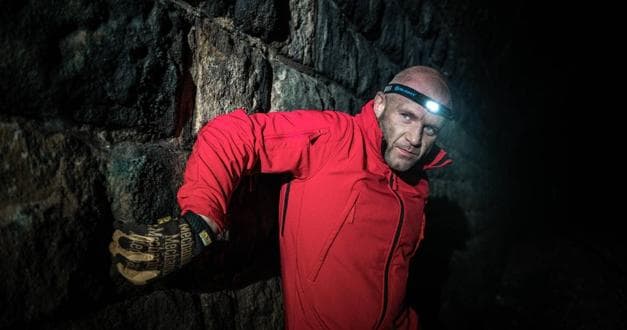
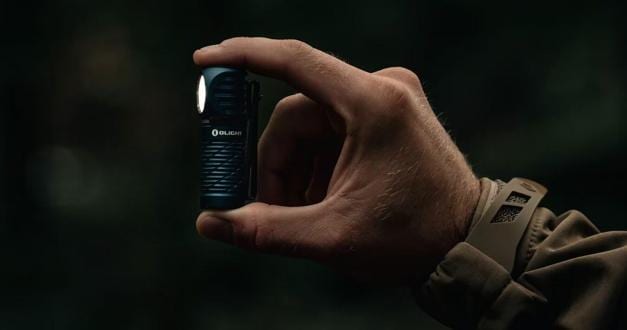
If you're wondering which hiking flashlight will be most suitable for mountain walks or forest camping, this guide will help you answer the most important questions. You will learn from it, among other things, which flashlight to choose for longer trips, when it is not worth saving on lighting, and what size equipment to choose. From now on you will know how to match the device to your requirements and needs.
A good flashlight for the hiker
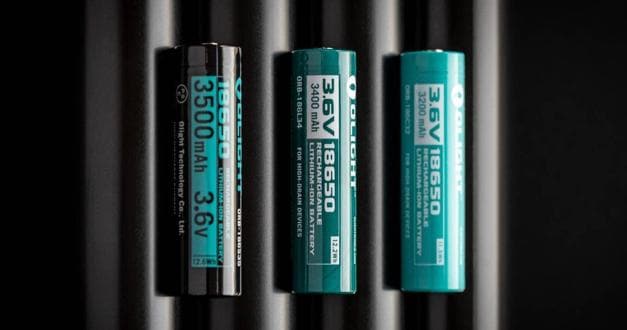
When choosing outdoor equipment, it is worth considering the main use for each piece of gear. A flashlight for a hiker who spends many days away from home and does not have constant access to a power source will be different from one with which you go for a few hours in the woods. You can, of course, choose all-purpose equipment with a high-capacity battery, but it may prove too heavy for short walks. For longer trips into the unknown, we recommend buying additional batteries, a charger and a powerbank, which are available on our website.
A flashlight for trips to the mountains should meet a number of requirements, the most important of which is high water resistance. The higher the water resistance class of the equipment, the better. Another important factor of importance in difficult terrain is shock and fall resistance. Meeting exacting quality standards, the aircraft-grade aluminum cases will provide ample protection if your gear falls out of your hands. This design will also be lightweight, allowing you to hike for hours. Operating times are also important. When climbing on a poorly lit slope, you can't let your battery run out suddenly. Variable operating modes, which every good quality device offers, will certainly help in the economical use of energy.
In summary, the best flashlight for the mountains must be waterproof, sturdy and allow for a long operating time. Another important aspect is the type of light shed by the flashlight. This is directly influenced by the type and shape of the reflector used. If you want diffused light, you should choose a flashlight without a large mirror, preferably with an orange peel texture. If, on the other hand, your priority is long range, choose a reflector that is smooth and large, with the LED positioned deep. Avoid incandescent flashlights. This is old technology that doesn't work these days. Diodes have a much longer life. Incandescent bulbs last about 1000 hours until burned out, LEDs, by comparison, up to 60000 hours. They also shine much more strongly with the same power consumption, making them more economical. You can learn more in a broader guide to lumens, LEDs and batteries.
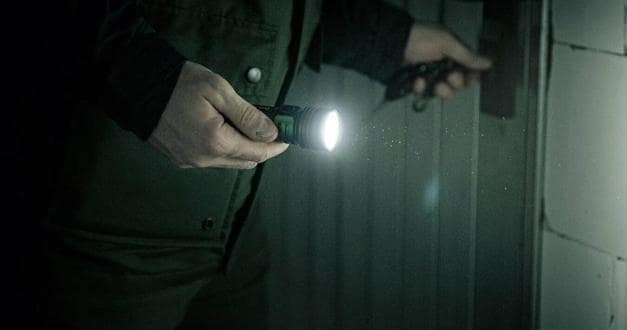
What, on the other hand, should be the flashlight for the forest? This depends mainly on our bushcraft activity. If you intend to spend several nights in camp, we recommend choosing a model with a larger battery, even at the expense of heavier equipment weight. The weight of forest equipment is not as important as in the case of mountain equipment, where every gram counts. The range of the flashlight into the woods is not so important, since the farthest shining lights will not outshine the dense wall of trees anyway. Here it is the width of the photometric body that matters more, which will translate into comfort and your safety.


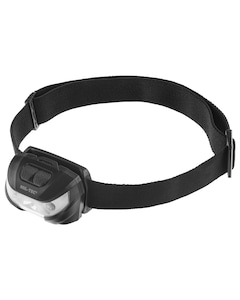


Travel flashlight which one to choose
When considering what kind of hiking flashlight to buy, you can be guided by many parameters, including its design. Some models have an eye-pleasing design and interesting colors. However, when buying this type of equipment, it is worth focusing on power, working time and durability. If your life should depend on the correct operation of your equipment, choose only top-class equipment. Walking in the park with your dog, you can afford to carry cheaper equipment, but during a survival expedition you should put quality first and choose models from proven manufacturers.
Militaria.pl also offers practical flashlights for your tent. This is an indispensable accessory for any hiker who spends his nights in nature. They can also be mounted under the tarp or around the hammock.