Green Tactics – What Are They and How Do They Work?
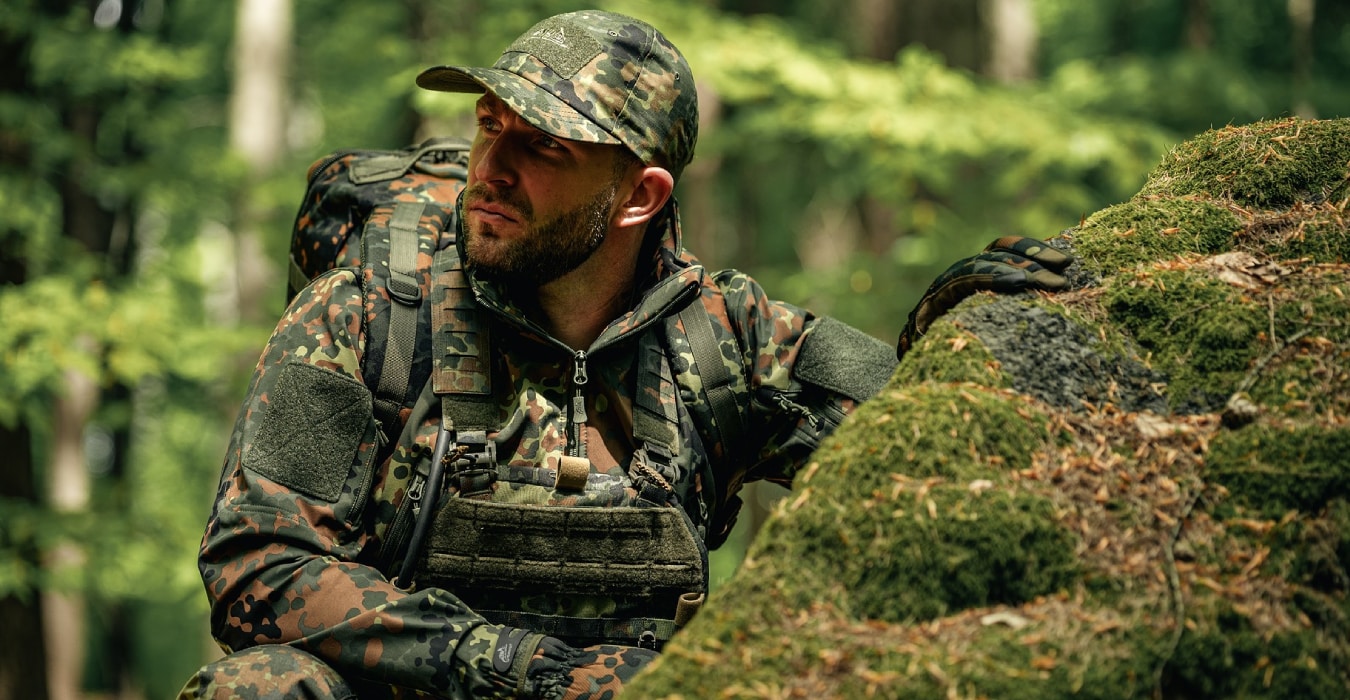
Green tactics are a term commonly used in the context of military, tactical and field training. They cover operations conducted outside urban environments, where terrain conditions, team organisation and proper preparation play an important role. In this guide, we explain what green tactics are, their key elements and what equipment may be useful during this type of training.
What Are Green Tactics?
Green tactics refer to military and tactical operations carried out in non-urban environments, primarily in forests, fields and other open areas. The term is mainly used in military and tactical training, where participants learn to operate in natural environments and adapt their movement and teamwork to different terrain conditions.
The key elements of green tactics include:
- movement across different types of terrain, both individually and as part of a team,
- observing the surroundings and making effective use of available visibility,
- camouflage and the use of natural cover,
- team communication, including agreed hand signals and other signals,
- formations and team organisation during movement,
- navigation and understanding terrain features,
- selecting equipment appropriate for the terrain conditions and type of training.
In practice, green tactics do not refer to a single, fixed set of activities. They cover a broader area of training focused on operating outside built-up areas, where terrain, vegetation, weather, visibility and effective teamwork all play an important role.

A ghillie camouflage suit helps reduce the visibility of the wearer in woodland environments
Movement and Observation in the Field
Movement in green tactics requires constant adjustments to the team's pace and formation according to terrain conditions. Moving through dense woodland is different from crossing open ground or navigating areas with significant changes in elevation. Maintaining appropriate spacing, keeping track of the direction of travel and making use of natural terrain features are particularly important.
At the same time, team members must remain aware of their surroundings. Observation involves monitoring not only the direction of travel but also the areas to the sides and behind the team. Particular attention is paid to obstacles, landmarks, changes in terrain and areas with restricted visibility.
Formations Used in Green Tactics
A formation determines how team members are positioned in relation to one another while moving. The choice of formation depends on the terrain, visibility, team size and available space.
Some of the most commonly discussed formations include:
- Column – team members move in single file, mainly in areas where space is limited.
- Wedge – a more dispersed formation that allows team members to maintain contact with one another.
- Line – team members are positioned side by side across a wider area.
During training, it is important not only to learn the names of these formations but also to understand how to maintain the correct position within the team and move smoothly between different formations.
Hand Signals and Communication in Green Tactics
Communication in the field should be as brief and clear as possible. In addition to radios and verbal communication, teams use hand signals to convey basic information without speaking.
Hand signals may be used to indicate when to stop, change direction, adjust movement speed or regroup. The key is to agree on their meaning beforehand and ensure that all team members interpret and use them consistently.
Radio communication complements hand signals, particularly when team members are further apart or visual contact is limited. Short messages, confirmation of important information and avoiding unnecessary radio traffic are essential for effective communication.
Useful Equipment for Green Tactics Training
During green tactics training, the most useful equipment is gear that supports movement across different types of terrain, helps organise personal equipment and provides comfort in changing weather conditions. The choice of equipment should reflect the nature of the exercises, the season and the amount of time spent in the field.
Useful equipment may include:
- Outdoor and tactical clothing – abrasion-resistant garments that allow freedom of movement and provide protection appropriate to the weather conditions.
- Tactical boots or hiking boots – footwear offering good grip and foot support on uneven terrain.
- Backpack or load-carrying equipment – designed to carry personal gear comfortably while providing easy access to essential items.
- Headlamp or handheld torch – useful for activities carried out after dark.
- Two-way radio – helps team members communicate with one another.
- Compass, map or navigation device – useful for navigation and maintaining orientation in the field.
- Protective gloves – help protect the hands when working in woodland environments or handling equipment.
In practice, lightweight, durable equipment that remains easily accessible while moving is usually the most practical choice. Carrying too much gear can make movement more difficult, so it is worth selecting equipment based on the actual requirements of the training.

Green tactics involve movement, observation and the use of natural cover in the field
Green Tactics – Frequently Asked Questions
What Is the Difference Between Green Tactics and Black Tactics?
Green tactics primarily concern operations conducted in non-urban environments, such as forests, fields and open terrain. Black tactics, on the other hand, focus on operations inside buildings and in urban environments, where confined spaces, rooms, corridors and surrounding structures play a greater role.
Are Green Tactics Used Only by the Military?
No. Although green tactics are closely associated with military training, some of their elements are also covered in civilian field training, survival courses, tactical training programmes and navigation exercises. The scope and level of difficulty depend on the type of training.
How Should You Prepare for Green Tactics Training?
First, check the training programme and the organiser's requirements. Comfortable outdoor clothing, suitable footwear, gloves, a backpack and an adequate supply of water are all useful. Navigation and communication equipment may also be needed, depending on the course. Physical preparation is equally important, as training sessions often involve several hours of movement across varied terrain.
Explore Equipment for Green Tactics Training at Militaria.pl
If you are preparing for green tactics training, it is worth putting together equipment suited to the terrain conditions and duration of the exercises. At Militaria.pl, you will find a wide range of tactical clothing and footwear, backpacks, gloves, torches, two-way radios, navigation tools and load-carrying equipment. When choosing your gear, focus on comfort, durability and easy access to essential equipment while moving in the field.