Legality of self-defense products in Europe - a practical guide
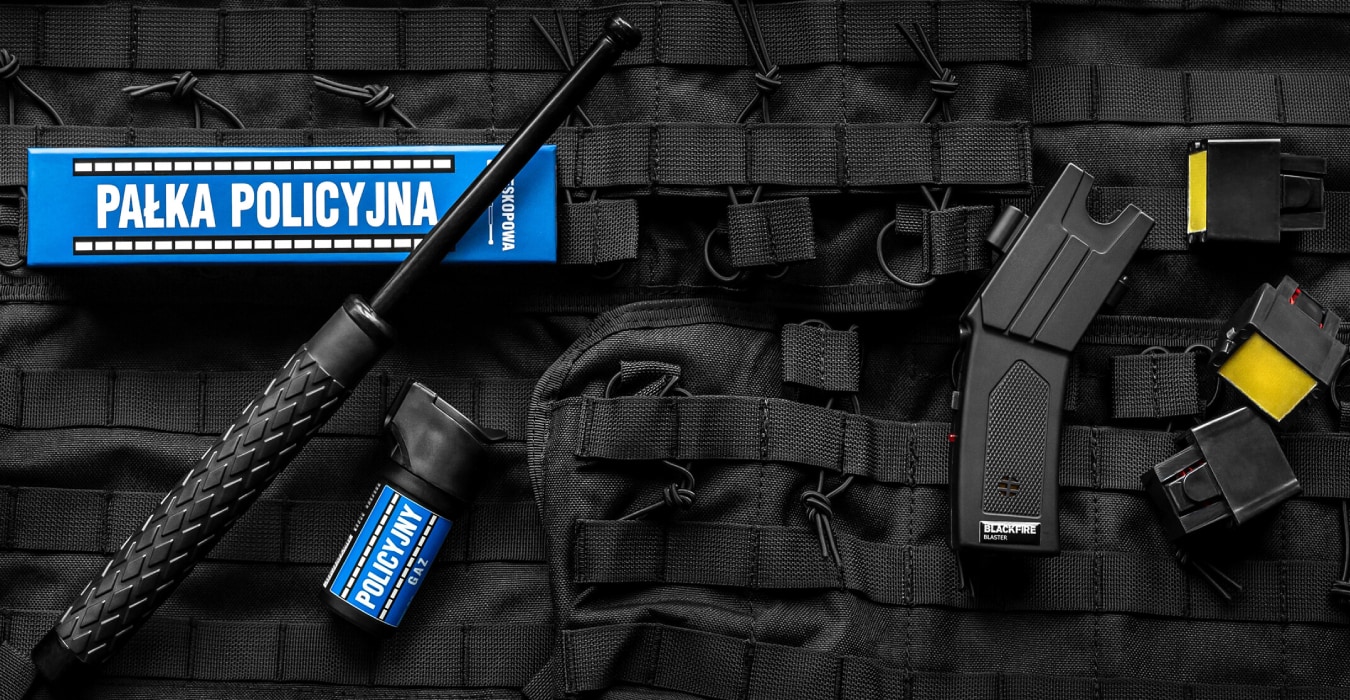
Many of us travel to various European countries — both for tourism and business. In such situations, an important question arises: what is the legal status of dangerous self-defense items in different European countries?
Read our guide and check what legal regulations apply to dangerous items in selected European countries. The information presented is current as of mid-2025 and may change with amendments to the regulations.
Legality of self-defense products in Germany
In Germany, the possession of dangerous items is strictly regulated by law, primarily by the Weapons Act (Waffengesetz, WaffG). Below we present the legal status regarding pepper sprays, telescopic batons, stun guns, and knives.
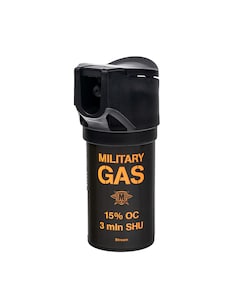
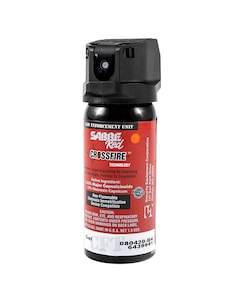
Pepper spray in Germany
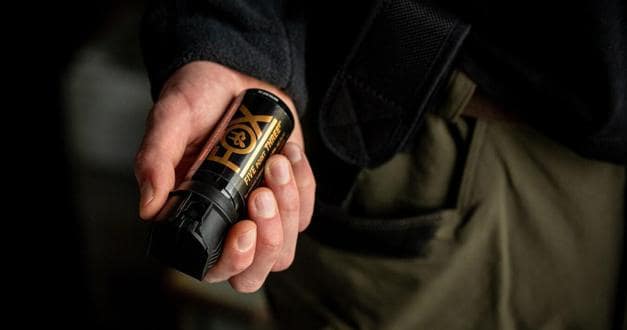
In Germany, it is allowed to possess and use pepper spray, provided it is approved for sale and meets the requirements set in the Weapons Act (Waffengesetz). The range of an irritant spray device that has been recognised as a weapon (i.e. pepper spray for defence against a person) may be a maximum of 2 metres. This limitation does not apply to pepper spray intended for defence against animals.
Telescopic baton in Germany
In Germany, individuals over 18 years old can purchase and own telescopic batons without restrictions. However, carrying them at public gatherings or mass events is prohibited and constitutes a crime. Carrying in public is permitted in the case of a "justified interest" — according to the Weapons Act, this may include, among others, performing professional work, cultivating traditions, practicing sports, or another commonly accepted purpose.
Knife in Germany
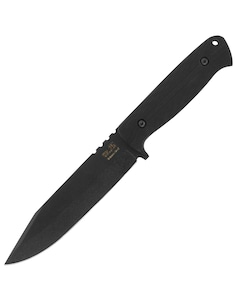
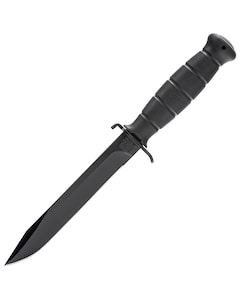
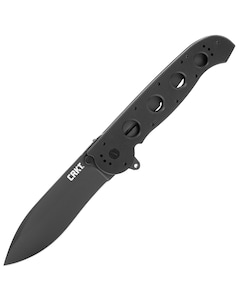
Germany has very strict regulations regarding knives. It is prohibited to carry knives with a blade longer than 12 cm (approx. 4.7 inches) and one-handed opening knives, e.g., with a spring mechanism, in public places. Knives must be stored in a manner that prevents quick access, e.g., in a closed case or container. Due to the complexity of the regulations, it is recommended to consult the official legal sources and detailed regulations.
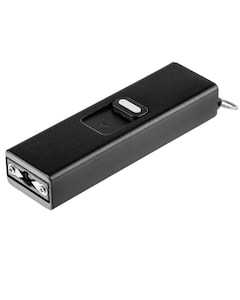
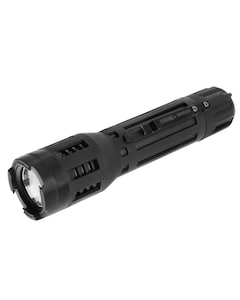
Stun gun in Germany
In Germany, stun guns are legal, provided they have the PTB mark (Physikalisch-Technische Bundesanstalt), confirming their approval for sale. They can be purchased by people over 18 years old. The use of a stun gun is permitted only in situations of self-defense — their use for offensive purposes is punishable.





Legality of self-defense products in the Netherlands
In the Netherlands, the legality of possessing dangerous items is primarily regulated by the Weapons and Ammunition Act (Wet wapens en munitie). Below we present the legal status regarding pepper sprays, telescopic batons, stun guns, and knives.
Pepper spray in the Netherlands
In the Netherlands, possession of pepper spray is completely illegal — it is not allowed to be carried or stored at home. The only exception applies to police officers, who may use it in strictly defined situations, provided they have undergone prior training.
Knife in the Netherlands
In the Netherlands, possession of most knives, such as kitchen knives, pocket knives, or multi-tools, is allowed. However, switchblades and stilettos are prohibited. It is worth remembering that some cities, e.g., Amsterdam, impose additional restrictions on carrying knives in public spaces. Even legal knives may be banned by local regulations — for example, in stadiums, nightclubs, or city centers.
Telescopic baton in the Netherlands
In the Netherlands, it is legal to possess a rubber baton (known as a wapenstok or gummiknuppel), but only within domestic conditions. Carrying it in public places is prohibited — the baton may only be used at home, e.g., in a situation of defense against an intruder.
Stun gun in the Netherlands
Stun guns in the Netherlands are classified as category II, meaning their possession without a permit is prohibited. Permits for such devices are issued only in exceptional cases — most often to security companies — and only under very stringent conditions.
Legality of self-defense products in the UK
In the UK, the possession of dangerous items is mainly regulated by the Firearms Act 1968 and its subsequent amendments. Below, we present the current legal provisions regarding pepper sprays, telescopic batons, stun guns, and knives.
Pepper spray in the UK
Possession, carrying, and use of pepper spray by private individuals is illegal. This substance is classified as a firearm under the Firearms Act 1968. The only legal self-defense measure available to civilians is spray containing paint or dye, which serves to mark the attacker for easier identification by the police.
Telescopic baton in the UK
The telescopic baton was classified as an offensive weapon in 2004, meaning its possession in public places is completely banned. Additionally, under the Offensive Weapons Act 2019, the ban has also been extended to the possession of such items in private homes.
Knife in the UK
Carrying most knives in public places is illegal without a "good reason." Only folding pocket knives with a blade length of up to 7.62 cm (3 inches) that do not have a locking mechanism are allowed. Additionally, the sale of knives to persons under the age of 18 is prohibited.
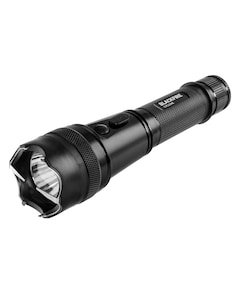
Stun gun in the UK
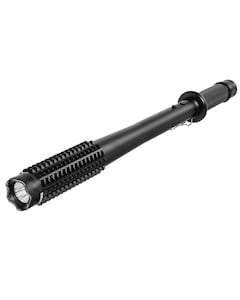
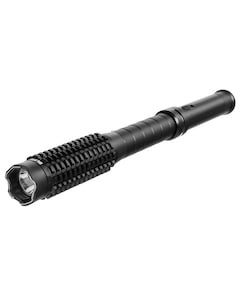
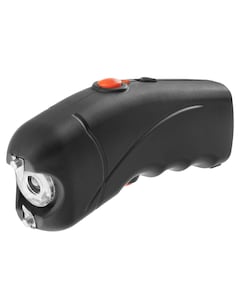
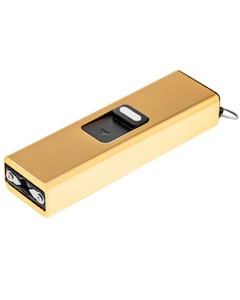
Possession of a stun gun is prohibited and is subject to legal penalties. Stun guns are classified as offensive weapons, and their possession and use are strictly forbidden.


Legality of self-defense products in Italy
In Italy, issues concerning dangerous items are regulated by several legal acts, with the most important being the Unified Security Law (Testo Unico delle Leggi di Pubblica Sicurezza, TULPS). Below we present the current legal provisions regarding pepper sprays, telescopic batons, stun guns, and knives.
Pepper spray in Italy
Pepper spray is legal both in terms of possession and use, but only under certain conditions:
- It can only be used in situations of necessary defense against aggression or threat to personal safety.
- The sale is allowed to persons over 16 years old.
- The container must not contain more than 20 ml of the substance.
- The spray range must not exceed 3 meters.
- The content of the irritant substance (Oleoresin Capsicum) must not exceed 2.5%.
- The product must be originally sealed and labeled with information about the effects of use.
Telescopic baton in Italy
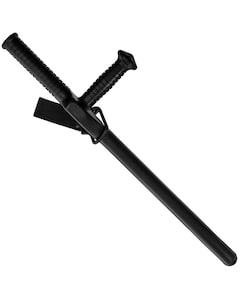
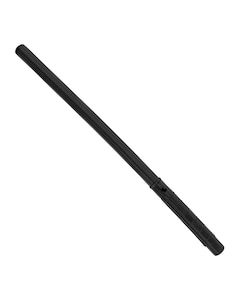
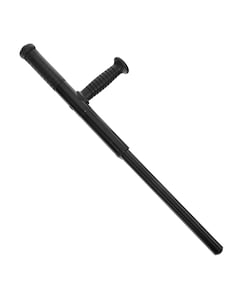
The telescopic baton is considered a weapon because it can cause injury. Its possession, purchase, and sale are allowed only to individuals with the appropriate permit. It must be reported to the police, and carrying it outside the home is prohibited unless the individual has a special authorization.
Stun gun in Italy
Electric stun guns are legal, but their possession and use are subject to strict restrictions. Private individuals can legally purchase and possess contact stun guns, provided they are over 18 years old. These devices can be stored at home, but carrying them in public places is prohibited unless special circumstances exist.
Knife in Italy
In Italy, it is not allowed to carry knives "just in case." A specific, legal reason must be present, and the burden of proof rests with the individual being checked. Without this, possessing a knife in a public place may be considered a crime.
Legality of self-defense products in the Czech Republic
The main document regulating the possession of dangerous items in the Czech Republic is Act No. 119/2002 on Weapons and Ammunition (Zákon č. 119/2002 Sb., o zbraních a střelivu). Below we present the current legal provisions regarding pepper sprays, telescopic batons, stun guns, and knives.
Pepper spray in the Czech Republic
In the Czech Republic, pepper spray can be legally purchased and possessed without any age restrictions or the necessity to obtain a permit.
Telescopic baton in the Czech Republic
Currently, there are no specific regulations regarding telescopic batons in the Czech Republic — they can be freely purchased and carried. However, similar to firearms, bringing them into court buildings, demonstrations, and other mass gatherings is prohibited.
Knife in the Czech Republic
Carrying a knife is generally legal, with no specific restrictions on blade length or type of knife, so both folding and fixed-blade knives can be carried without special permits. Despite the lack of restrictions, one should exercise common sense, as carrying large knives in public places, especially visibly, may raise concerns and lead to police intervention. In places like courts, schools, airports, or during mass events, carrying knives may be prohibited or subject to additional restrictions.
Stun gun in the Czech Republic
In the Czech Republic, contact stun guns are legal and can be freely possessed and carried by adults, as they are not classified as weapons and do not require special permits or registration. However, distance stun guns, such as TASER devices, are treated as category C-I firearms, and their possession and use by private individuals are permitted only under certain conditions, such as obtaining a license, registration, and meeting age and criminal history requirements.
Can self-defense items be taken on a plane?
Are you going on an international trip and wondering what you can't bring on a plane? You cannot bring items deemed dangerous on board the aircraft according to ICAO regulations and EU Regulation 2015/1998. In cabin baggage, prohibited items include:
- firearms (including toys and replicas),
- air pistols,
- bows,
- crossbows,
- stun guns,
- tasers,
- pepper sprays,
- knives and scissors with blades longer than 6 cm,
- axes,
- ice picks,
- tools (e.g., crowbars, drills, saws),
- clubs,
- sports bats,
- explosive materials (e.g., ammunition, fireworks, dynamite) and incendiary substances.
Some items may be allowed in carry-on or checked baggage with the carrier's consent, but the security control operator may refuse transport if they consider it a threat. Detailed restrictions also depend on the carrier and the destination country's regulations, so it's worth checking them before your trip.
Offer of self-defense accessories and knives at Militaria.pl
As seen above, if you are flying abroad, you cannot take self-defense accessories or knives with you, as they are not allowed on board the aircraft. However, if you are traveling, for example, by bus or car abroad, it is always worth checking if you can have, for example, pepper spray in that country.
If you want to purchase self-defense accessories or knives, we invite you to take a look at our offer. In our store, we offer fully legal in Poland self-defense measures, as well as knives that will be useful, for example, during survival trips.
Sources:
1. https://www.gov.pl/web/niemcy/informacje-dla-podrozujacych
2. https://nl.wikipedia.org/wiki/Pepperspray
3. https://portal.gov.cz/rozcestniky/koupe-a-vlastnictvi-paralyzeru-nebo-peproveho-spreje-RZC-85
4. https://scubla.it/gestione-faunistica/legale-utilizzare-spray-peperoncino/
5. https://en.wikipedia.org/wiki/Baton_(law_enforcement)
6. https://www.bussgeldkatalog.net/elektroschocker-erlaubt/
7. https://www.bussgeldkatalog.net/teleskopschlagstock-legal/
8. https://nl.wikipedia.org/wiki/Wapenstok
9. https://www.de-strafrechtadvocaat.nl/mag-je-een-stroomstootwapen-thuis-bezitten-in-nederland/
11. https://messervertrieb-rottner.de/waffengesetz-messer/
12. https://en.wikipedia.org/wiki/Firearms_Act_1968
13. https://www.cacciaepescabonannini.it/post/storditori-elettrici-cosa-dice-la-legge-.html
14. https://www.studiosoardi.com/2025/01/20/porto-coltelli-normativa-italia/
15. https://en.wikipedia.org/wiki/Gun_law_in_the_Czech_Republic
16. https://cdr.cz/clanek/taser-vs-paralyzer-jaky-je-mezi-nimi-rozdil-ktery-z-nich-je-v-cr-zakazany
17. https://marcosafeandfit.com/the-carrying-of-a-knife-in-eu/