What should be in a first aid kit?
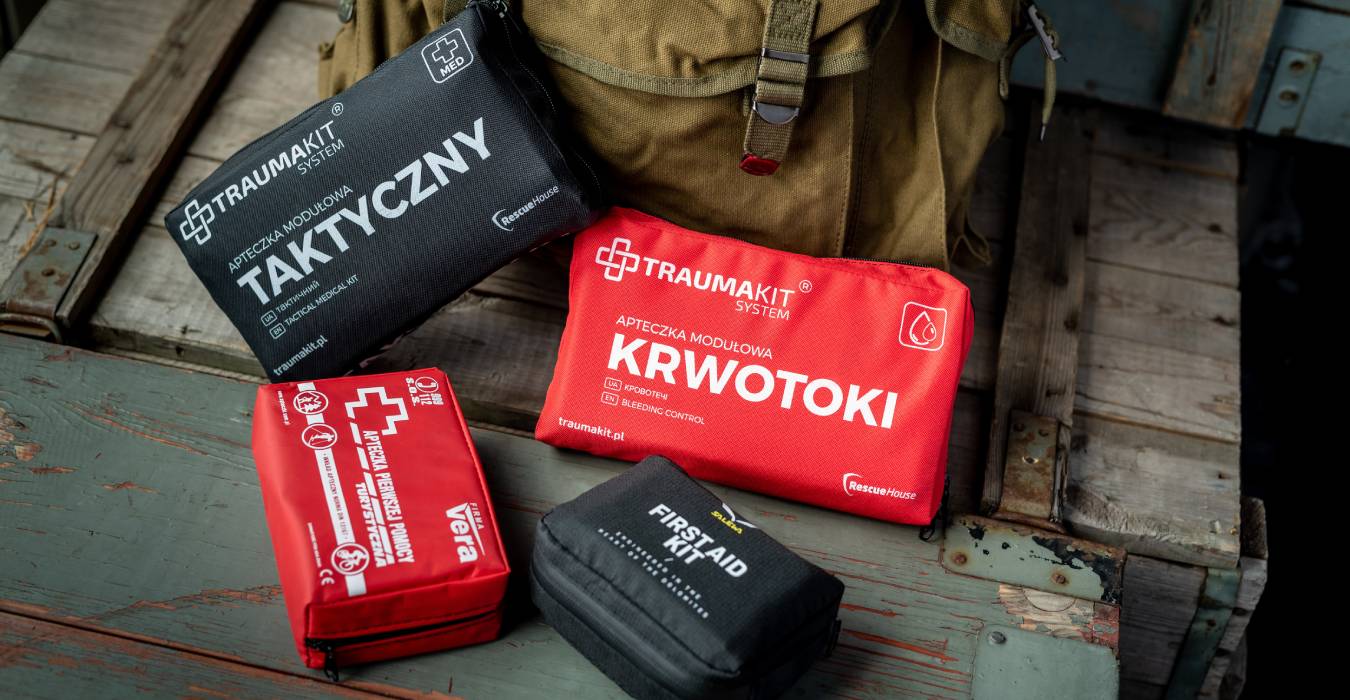
Certainly, many people are wondering what should be in a first aid kit, how to properly equip it, and whether to opt for a ready-made kit or perhaps compose it themselves? When making this type of decision, the main thing to consider is the intended use, as well as the place where it is to be stored.
Contents of the first aid kit
What should be in a first-aid kit depends mainly on its purpose - a slightly different content of a first-aid kit will be for a car first-aid kit, and still different for a tourist or home first-aid kit. It is worth adding that regulations in Poland do not specify the equipment of this basic medical package. The law and regulations make it clear that, for example, in the case of workplaces or schools, first-aid kits are simply supposed to be there. The places where they are located should be clearly marked, the contents must allow for pre-medical first aid, and that there should also be an instruction manual with the contents of the first aid kit.
The last important element of a first aid kit is to provide information on first aid. Besides, regardless of the type of first aid kit, it should be characterized by such features as durability, resistance to external influences (including mechanical and chemical), simplicity of use and lightness, which in the case of tourist and expedition first aid kits will allow you to take it on a long journey without much effort. So is it possible to choose the right contents of a first aid kit to make it as versatile as possible?
First aid kits with DIN standard
In many countries of the European Union, the basic equipment of first aid kits is defined by the so-called DIN (Deutsches Institut für Normung) standards, on which many companies that create their own universal kits follow. The standards very precisely define the quantitative and qualitative composition of all equipment. Sometimes, in addition to the DIN designation, there is also the term "Plus", which informs the user about the additional contents of the first aid kit, not regulated by the standard. In Poland, the use of DIN standards is entirely voluntary.
Basic first aid kit equipment according to DIN 13157 standard:
-
10 × 6 cm dressing patch (8 pcs),
-
a set of patches of different sizes (20 pcs),
-
patch on a spool 5m × 2.5 cm (1 piece),
-
individual dressing M sterile (3 pcs.),
-
individual dressing G sterile (1 piece),
-
k sterile individual dressing (1 piece),
-
cold compress (1 piece),
-
eye compress 5 × 7.5 cm (2 pcs.),
-
10 × 10 gas compress (6 pcs.),
-
4m × 6 cm elastic bandage (3 pcs.),
-
4m × 8 cm elastic bandage (3 pcs.),
-
a 160 × 210 cm emergency blanket (NRC film),
-
19.5 cm scissors,
-
vinyl gloves (2 pairs),
-
60 × 80 bandage sling (1 piece),
-
60 × 40 bandage sling (1 piece),
-
triangular sling 96 cm × 96 cm × 136 cm (2 pcs),
-
fleece wrap 20 cm × 30 cm (10 pcs.),
-
disinfectant wipe or NaCL0.9% saline (6 pcs.),
-
mouthpiece for artificial respiration,
-
first aid instructions with a list of emergency phones.
When completing the contents of your own first aid kit, you can certainly follow the EU DIN standards. The equipment is versatile enough that it should meet basic needs in most first aid situations. In addition, it is a good idea to include in the first aid kit a plastic bag for any kind of medical waste that can be a source of infection. Those who want to compose their own first aid contents should also know what a first aid kit should not contain.
What should a first aid kit not contain?
Pre-medical first aid kits are, by design, a collection of the most necessary medical paraphernalia, which are intended to be of maximum use when providing first aid to an injured person. Therefore, they should be created in such a way that they can not in any way harm such a person. In view of this, first aid kits should not contain any medications, including painkillers, to which many people are allergic, as well as all other medicines that, by definition, are prescribed by a doctor.
|
The exceptions are drugs that have acetylsalicylic acid in their composition (such as the popular Aspirin), which, according to the guidelines of the Polish Resuscitation Council, are indicated for administration to people with suspected myocardial infarction. |
First aid kits should also not contain products and accessories with short expiration dates. In addition, the items contained inside should be as durable as possible so that they do not need to be replaced too often.
Types of first aid kits
There are many types of first aid kits available for sale tailored to different types of activities and the places where they are to be located. There are special first aid kits tailored for traffic accidents, accidents at work, at school, and many other places where first aid may be needed. There are many types of first aid kits, and each is equipped slightly differently.
The most popular types of first aid kits
-
bicycle first aid kits,
-
company first aid kits,
-
home first aid kits,
-
school first aid kits,
-
tourist first aid kits,
-
tactical and military first aid kits.
Below we have given examples of first aid kits for tourists, home, car, and military/tactical.
Car first aid kit equipment
Such first aid kits are basic first aid accessories in the event of traffic accidents. According to Polish law, the driver is not obliged to carry a first aid kit in the vehicle, but in the event of an accident involving other people, he is obliged to provide first aid to the injured. For this reason, it is always a good idea to have a first aid kit with equipment in the vehicle.
|
It is worth knowing that the obligation to carry a first-aid kit occurs in vehicles used to transport other people. Cab drivers, bus drivers, as well as driving instructors should have a properly equipped first-aid kit in their vehicles. |
The most common consequences of traffic accidents are numerous cuts, fractures, open wounds and other more serious injuries. It is good, therefore, that the equipment of a car first aid kit should be properly adapted and contain items that will be as useful as possible, so that if necessary they can save someone's life. What should be in a car first aid kit?
Example of first aid kit equipment for cars according to DIN 13164:
-
NRC foil (or thermal blanket) 160 × 210 cm,
-
first aid instructions,
-
g-type sterile individual dressing,
-
sterile individual dressing M (3 pcs.),
-
10 × 6 cm patch set (8 pcs),
-
5 m × 2.5 cm slice (roll),
-
4 m × 6 cm elastic band (2 pcs.),
-
4 m × 8 cm elastic band (3 pcs.),
-
sterile dressing wrap 60 × 80 cm,
-
sterile dressing wrap 40 × 60 cm (2 pcs.),
-
triangular sling (2pcs),
-
10 ×10 cm dressing compress (3 packs, packed in 2 pieces - a total of 6 sterile compresses),
-
scissors 14.5 cm (with rounded ends for cutting clothes),
-
latex gloves (4pcs).
It is worth knowing that in some countries of the European Union it is mandatory to have a first aid kit in the vehicle. Such regulations are in Germany, Slovakia or France, among others. So it is worth equipping yourself with a first-aid kit for your car, if only for the principle: "it is better to have one and not use it, than not to have one and need it."
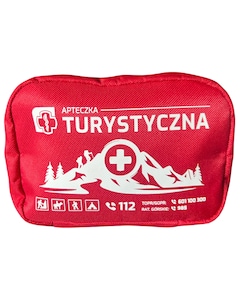
Equipment of a tourist first aid kit
When going on vacation, to a survival camp or hiking in the mountains, it is a good idea to take a first aid kit with you. Properly equipped, it will not only help treat superficial wounds, but may even save lives. A first-aid kit for hiking should be lightweight and the right size to carry it comfortably in a backpack. It is also worth paying attention to models with Molle webbing, which can be clipped to, for example, the waistband of pants.
The following is the basic equipment of a travel first aid kit. In this list, we have also taken into account the European DIN standard (13167):
-
5 m × 2.5 cm adhesive,
-
set of patches (14 pcs),
-
M individual dressing,
-
G individual dressing,
-
60 × 80 cm bandage sling,
-
160 × 210 cm emergency blanket,
-
14.5 cm scissors,
-
vinyl gloves (2 pairs),
-
soaked wipe (2 pcs.),
-
First aid instructions with a list of emergency phones.


Home first aid kit equipment
Equipment home first aid kit usually represents a collection of medicines and pharmaceuticals that are found at home. These remedies, are usually stored in a dedicated box or in a cabinet set aside for this purpose. There are no standards regulating its contents, so we should use common sense and the needs of the whole family when picking out equipment. What should be in a home first aid kit?
Example of home first aid kit equipment:
-
sterile gases,
-
bandages,
-
bandage patches of various sizes,
-
unbandaged patches,
-
sterile compresses,
-
wadding,
-
oxygenated water or other wound cleansers,
-
disposable gloves,
-
gel compresses.
When planning to equip a home first-aid kit, in addition to bandages, we should think about some necessary pharmacological supplements and some medical devices that may come in handy in case of illness. Due to the fact that the first-aid kit is ultimately to be used by household members, unlike other types of first-aid kits, the rule of not having any medicines in it does not apply. The first aid kit can contain medicines that are constantly taken by family members, painkillers, and medicines and remedies for seasonal illnesses (separate for children and adults).
Pharmacological agents:
-
painkillers, anti-inflammatory drugs and antipyretics,
-
anti-diarrheal agents,
-
electrolytes,
-
saline,
-
calcium (which has the effect of alleviating skin and food allergy symptoms),
-
cold remedies (syrups, drops, sore throat lozenges, vitamins).
Other:
-
thermometer,
-
pressure measuring device,
-
scissors or rescue multitools.
Military first aid kit equipment
A military first aid kit with equipment is, by definition, specialized emergency equipment that is designed to provide pre-medical first aid in very difficult conditions, such as on the battlefield. This type of first aid kit is mainly used by officers of uniformed services, including the military, police and border guards. Under conditions of war, the provision of pre-medical first aid is quite different from that at home or on a tourist trip, so the equipment of a military first aid kit should be properly prepared and maximized.
What should be in a military first aid kit?
The basis of pre-medical first aid given to soldiers is to quickly stop bleeding and treat gunshot wounds, which greatly increases the chance of survival. This is followed by the dressing of less troublesome wounds and the transport of the wounded to a medical point.
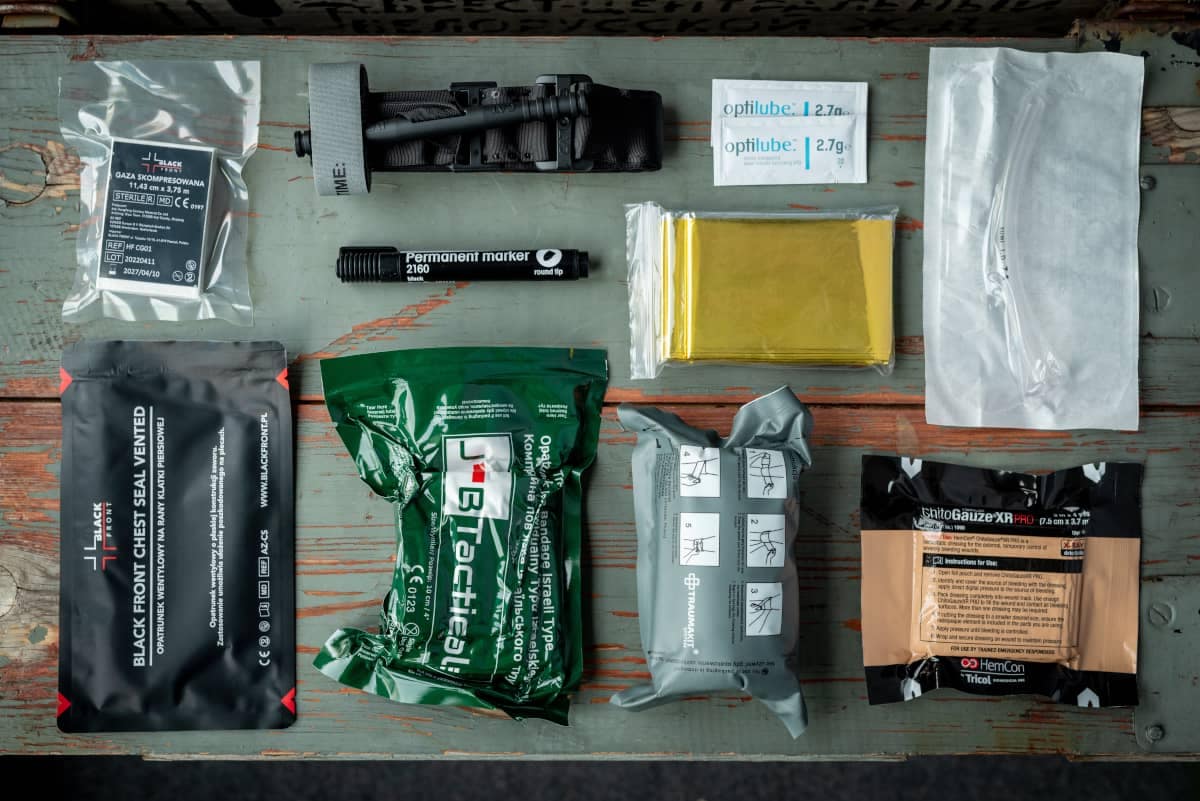
A military first aid kit with equipment should primarily include:
-
tactical stasis or tourniquet, which is used to stop hemorrhages from limbs;
-
QuikClot hermostatic dressing, which causes blood to clot when pressed into a gunshot wound;
-
individual dressing in the form of a bandage combined with gauze, which makes it possible to dress, for example, a limb with a gunshot wound.
Additional military first aid kit equipment includes:
-
flexible and regular bandages,
-
gauze and sterile compresses,
-
patches (preferably with a bandage),
-
disposable gloves,
-
a triangular sling with a safety pin,
-
burn dressings (such as hydrogel dressings),
-
thermal blanket,
-
disinfectants such as iodopovidone,
-
painkillers.
A military first aid kit should be made of durable and strong material, which will adequately protect the carried contents from damage and getting wet. In addition, the first aid kit should be equipped with a Molle webbing system, which allows the first aid kit to be clipped to a backpack, for example. Many of the first-aid kits available on the market are additionally characterized by a quick-opening system, which facilitates quick selection of the necessary items. Due to their purpose, military first aid kits are often finished in green, khaki or camouflage colors.
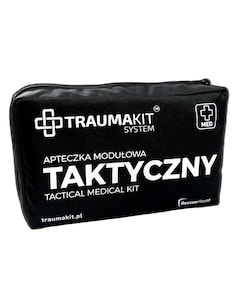
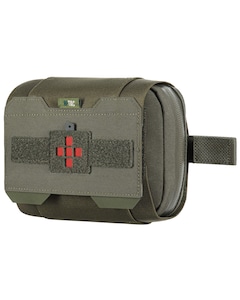
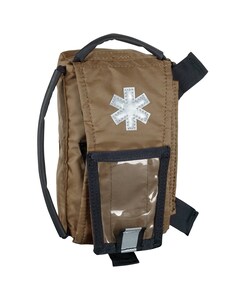

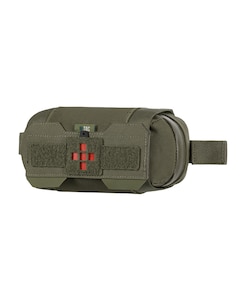
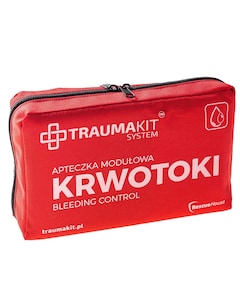
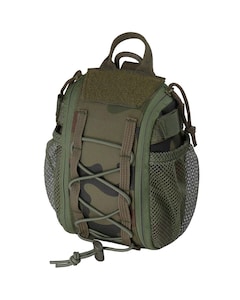
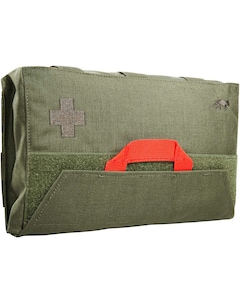
Offer of first aid kits in the store Militaria.pl
You already know what should be in a first aid kit for home, travel, car and military. In the offer of Militaria.pl store we offer a wide selection of various types of first aid kits, as well as Medic Pouch cases and pouches. We sell models both fully equipped with professional medical accessories and empty models - ready to be equipped independently. The first-aid kits we offer will be perfect both for a weekend trip to the mountains and as a medical item used by doctors and paramedics. We invite you to browse our offer.
Read also: first aid duty vs. law.