Which lights to choose for your bike?
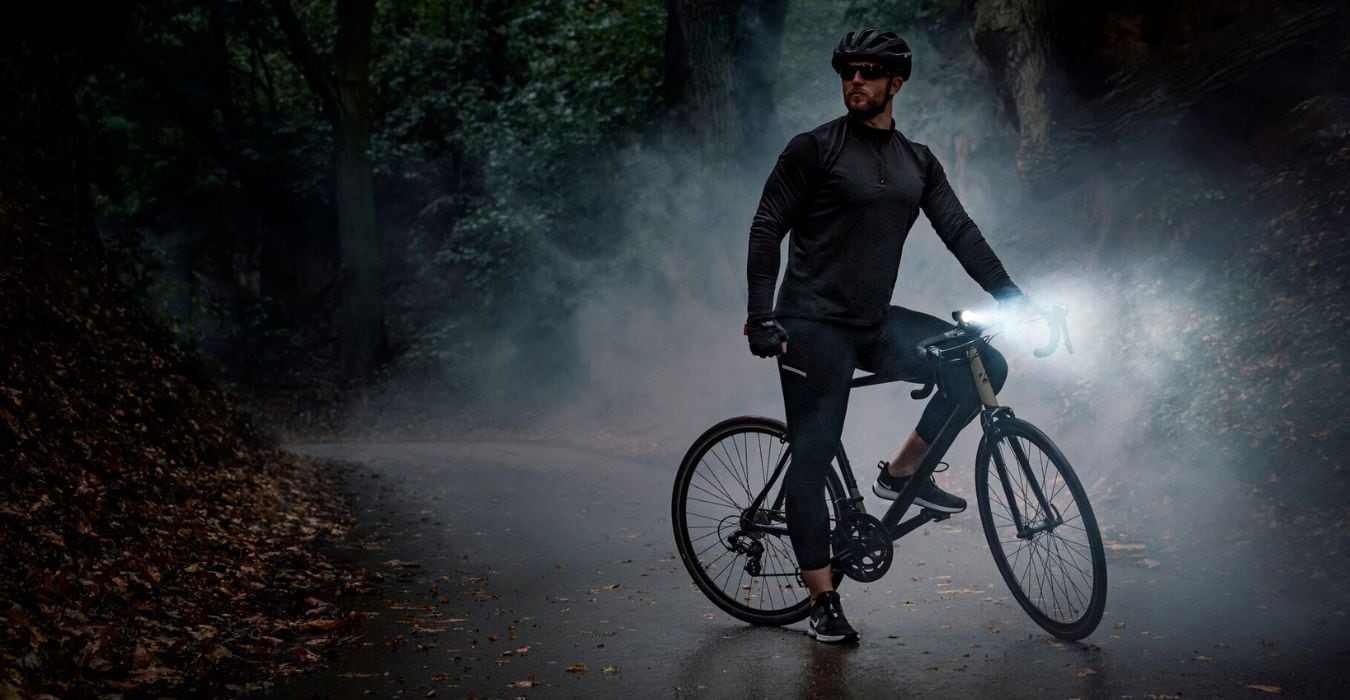
Bicycle lighting is a very important piece of equipment for every single bicycle. A bicycle light increases our safety as it makes us visible to other road users - drivers, pedestrians and other cyclists. While safety should be reason enough to have a light, it is also worth bearing in mind another issue - the regulations and penalties for not having the right lights fitted to your bike. Read our guide and find out what lights to choose for your bike to ride safely after dark!
Good cycle lighting - how many lumens to choose?
The higher the number of lumens of a given light, the stronger the light and the better the visibility in the darkness. When choosing front lights it is advisable to adapt its power to the conditions in which it will be used:
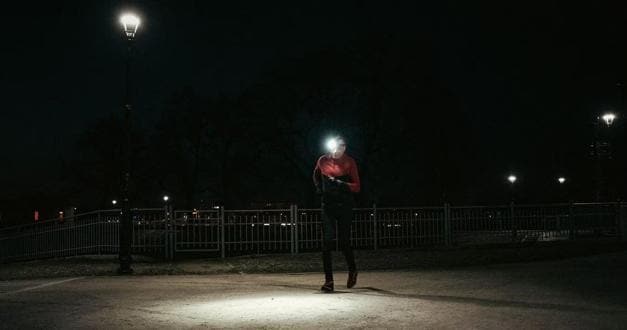
- 200-300 lumens: suitable for driving on well lit city streets.
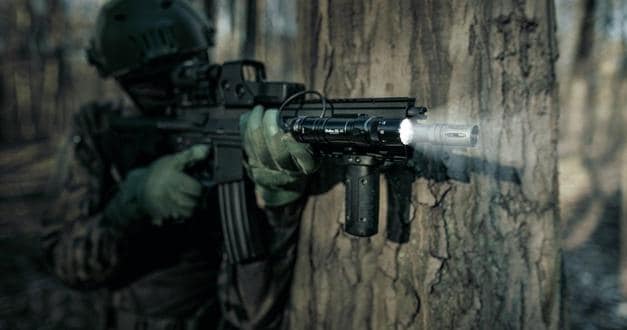
- 1000-2000 lumens: ideal for demanding conditions such as off-road driving after dark, e.g. in dense forest.


As far as rear cycle lights are concerned, their power is much lower - usually good performance models have between 25 and 200 lumens. The purpose of such lights is not to illuminate the route, but only to signal our presence on the road.

Which bicycle light to choose? - essential functions
Below we have listed the key functions of bicycle torches. However, the choice of the right bicycle light should depend on the places and conditions where you ride most often.
- Mode of operation — good bicycle lights usually operate in a continuous and flashing mode. The latter mode increases the cyclist's visibility on the road, which reduces the possibility of a collision.
- Waterproof — it is always better to get lighting that is splash- or rain-proof. For example, it is worth opting for IXP6-rated lighting - it protects against strong jets of water from any direction.
- Operating time — it is worth to pay attention to the working time of a specific model of a bicycle torch. Some bicycle torches are able to work even for several hours in a sparing mode and for several hours in an intensive mode..
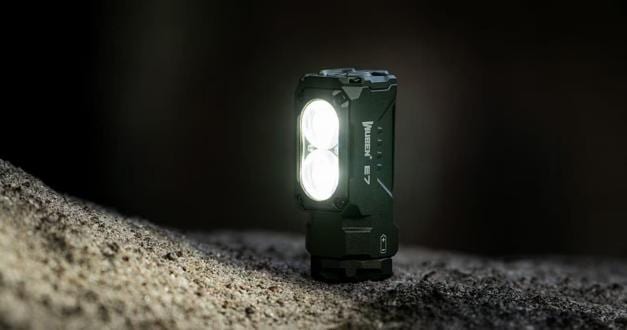
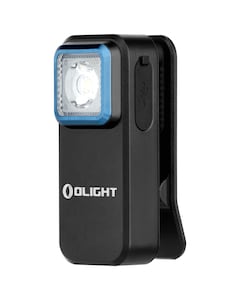
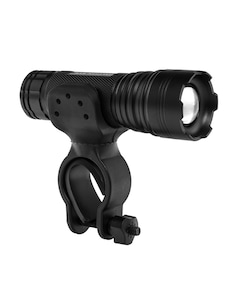
- Mounting — a cyclist's torch can be mounted on the handlebars, on the seat tube or can be hooked up to any part of the bike. An alternative to buying a bike light with a mount is to buy a practical tactical torch and buy a matching mount for it.
- Power supply — manufacturers offer both battery and rechargeable bicycle lights. Battery operated models are usually cheaper, however, their use is less economical. A rechargeable torch is already a bit more expensive, however, in the long run you will not have to buy and replace batteries.
Which headlamp to choose for your bike?
When choosing a front bicycle light, the first thing to remember is that its main task is to illuminate the road. It is very important to choose the right amount of lumens depending on the prevailing conditions. Avoid models that emit a spot light, as they reduce side visibility, which can lead to dangerous situations on the road.
It is advisable to choose lights that offer a wide angle of illumination for better visibility in difficult conditions. In addition, it is advisable to dispense with perpendicularly shining lights that do not have an adjustable angle, as they can dazzle other road users.


Which rear bike light to choose?
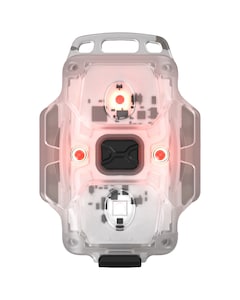
As we mentioned earlier, a bicycle rear light is not designed to illuminate the road, but primarily to make the cyclist more visible to other road users. A key issue with the rear light is water resistance, designated as ‘IPX’. A rear-mounted bicycle light is particularly vulnerable to splashing, so it is worth paying particular attention to this feature.


Lighting for bicycles - summary
So what kind of lighting to buy for your bike? First of all, one that fits your needs well and is made of good quality materials. If the subject of ecology is close to your heart, opt for more ecological, rechargeable models, thanks to which you will save on batteries. However, if you know that you are going on longer trips to areas far away from the benefits of civilisation, such as power sockets, then a sturdy battery-operated light will work better for you. And, of course, spare batteries.
Another important consideration will be the nature of your riding and the type of terrain that dominates your excursions. For city riding you don't need as much power as for off-road riding. 100 or 200 lumens will suffice, although a wide beam will be useful to help you see other cyclists. On the other hand, in the woods and off-road terrain, bet on more powerful lighting which will provide you with greater safety. Damage-proof lighting and a powerful reflector will make it easier for you to ride over bumps in the evening and to see all obstacles.