The best tactical pants – what to look for before buying?
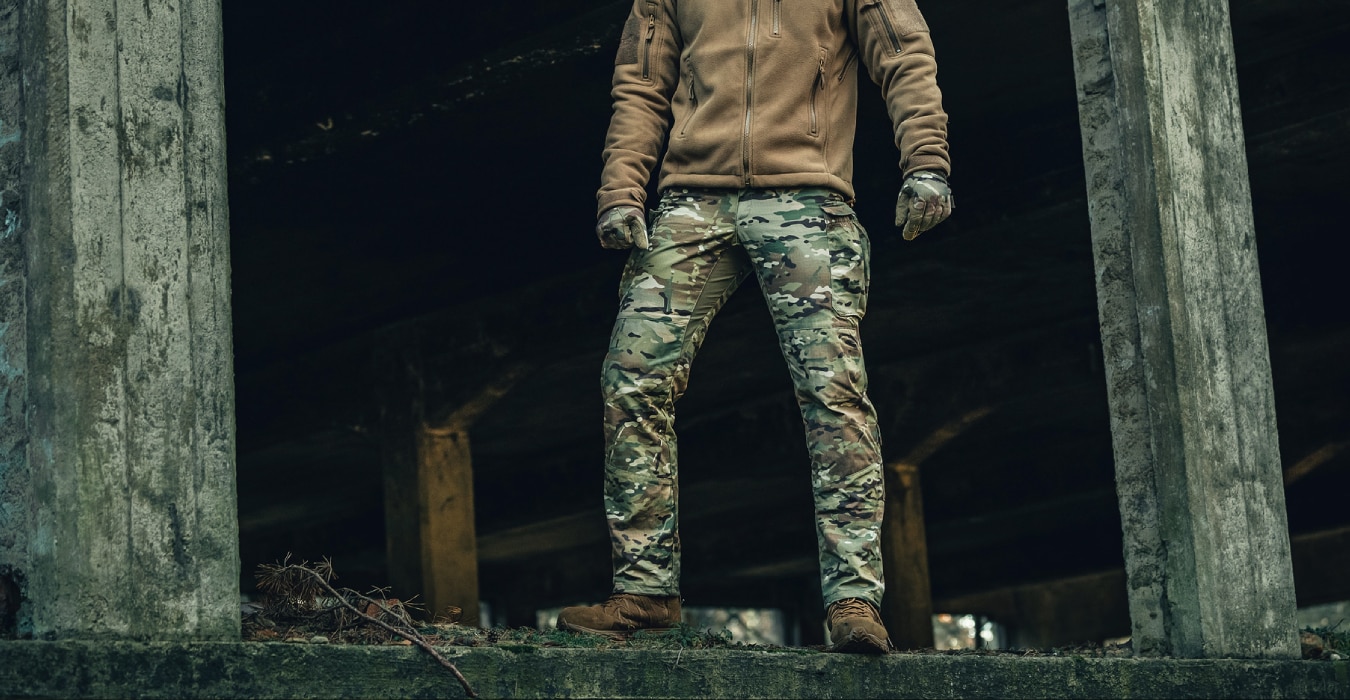
Although tactical pants are traditionally associated with the military and uniformed services, today they are widely available and increasingly chosen by people not connected to the military industry. Choosing the right model can be difficult, as the differences between particular pants are not always obvious. In this guide, we will explain what to look out for when purchasing tactical pants and how to match them to specific applications.
What features to pay attention to when choosing tactical pants?
Not all tactical pants are created equal. Sometimes you may be surprised by the significant differences between various variants and the number of interesting amenities they offer. To ensure that the chosen model actually meets your expectations, it is worth paying attention to a few key features, from materials and cut to the placement of pockets. Analyzing them before purchase will make it easier for you to make the right decision.

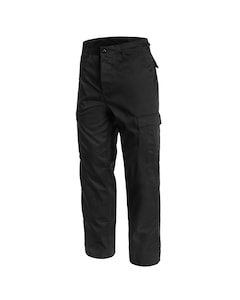

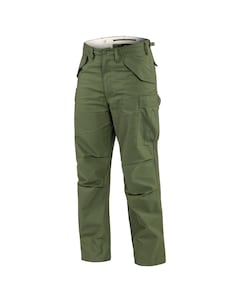


Tactical pants materials — what affects durability and comfort?
Material is one of the most important elements determining whether pants can truly be called tactical or if they just "look" military. The market is full of models that have the right cut and pockets but are made from thin, less durable fabrics that quickly wear out in practice and do not perform well in tougher conditions. Check, based on the following table, the differences between ordinary pants and tactical pants.
Tactical pants vs ordinary pants — key differences
| Feature | Tactical pants | Ordinary pants |
|---|---|---|
| Material | Blends (cotton + polyester/nylon) — more durability | Most often cotton — comfort, but less resistance |
| Durability | Rip-Stop weave limiting tears | No reinforcements, material wears out more easily |
| Water resistance | DWR impregnation or membrane | No moisture protection |
| Elasticity | Often elastane, better freedom of movement | Limited elasticity |
| Reinforcements | Additional panels (e.g., Cordura) in crucial areas | No additional reinforcements |
| Pockets | More pockets (up to a dozen) | Standard number of pockets (usually two or 4) |
Camouflage and colors of tactical pants — when do they matter?
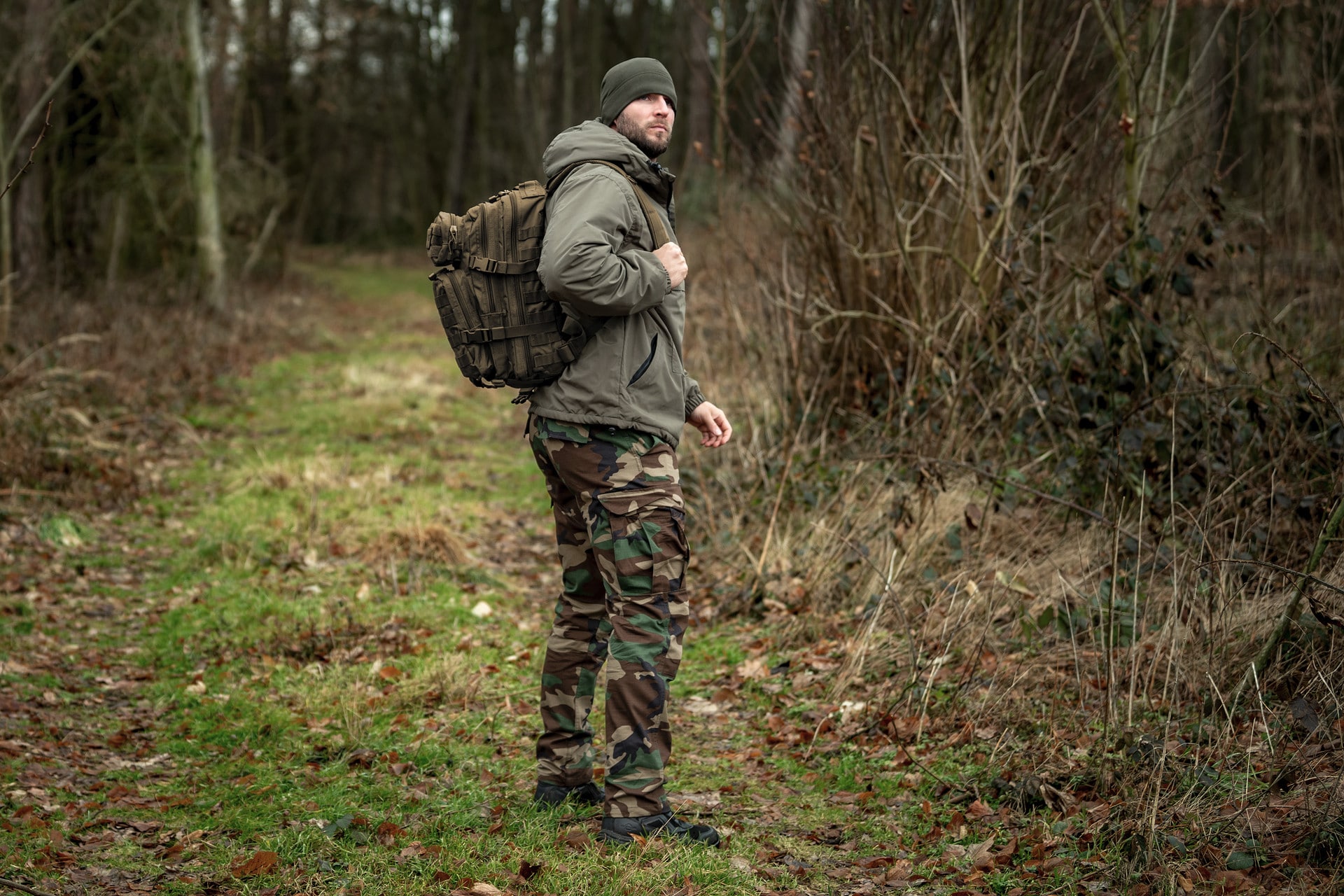
The color and camouflage of tactical pants matter mainly when you want to match the surroundings. In field activities such as bushcraft, survival, or airsoft, the right camouflage can significantly improve concealment and reduce silhouette visibility. In everyday use, its importance is smaller — in such cases, solid colors (olive, khaki, black) which are more universal and less "military" are better.
Most common camouflages in Poland:
- Wz.93 "Panther" (PL) — the basic camouflage of the Polish Army, performs well in Central European forests.
- Woodland — classic woodland pattern (green-brown), effective in wooded areas.
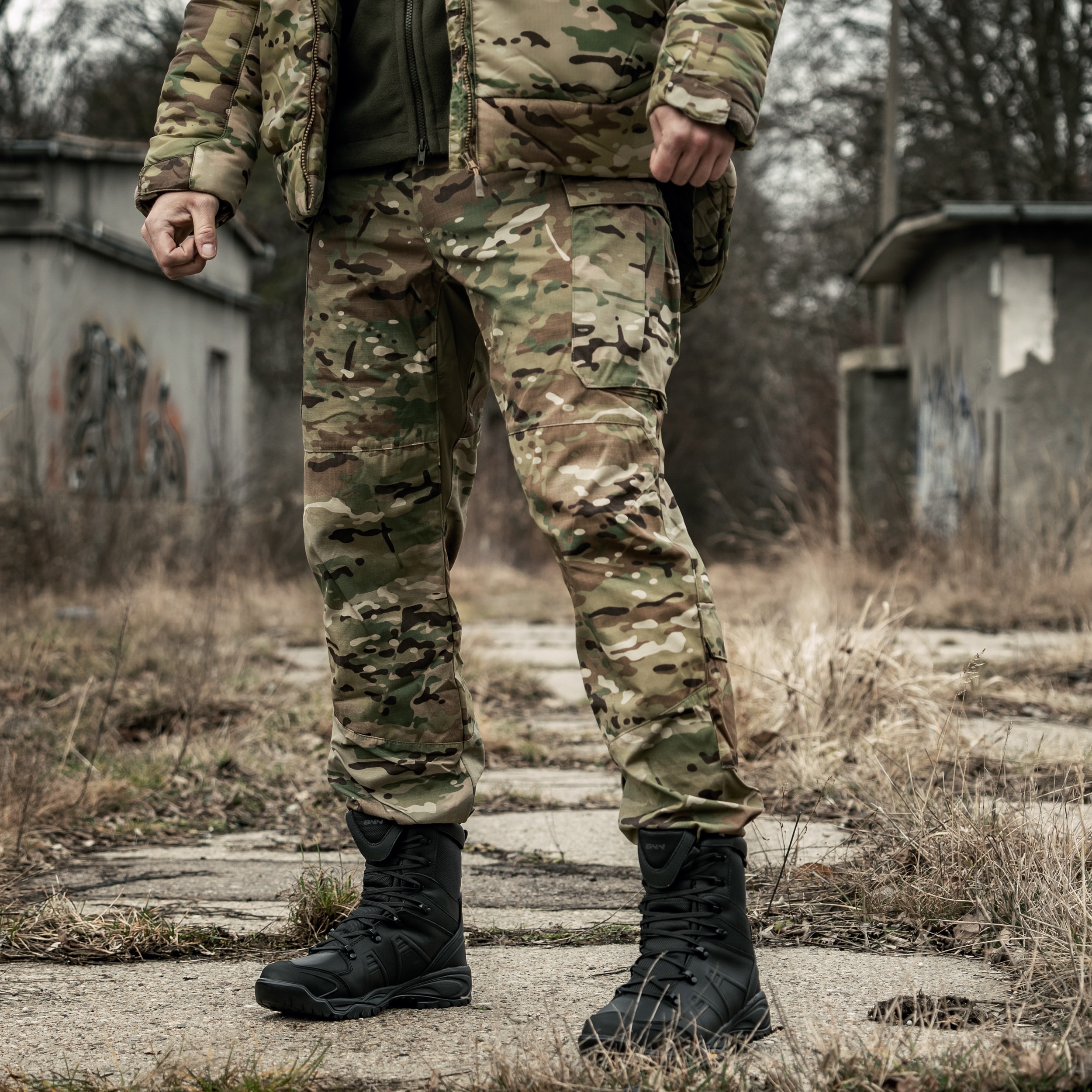
- Multicam — more universal, works in various environments (forest, dry terrain, mixed).
The choice should be based on real application — if you don't need concealment, it's better to opt for subdued colors. You can read more about types of camouflage and their applications in our other entry: Types of camouflage and their applications.
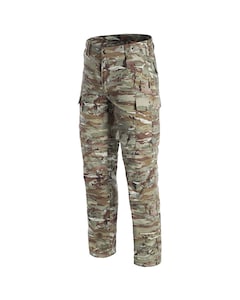


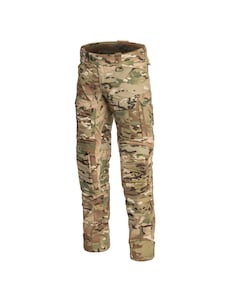

Cut of tactical pants
The cut of tactical pants directly affects comfort, range of motion, and how the pants interact with gear. In practice, it's one of the most often overlooked elements when purchasing, yet one of the most noticeable during use. It's also worth noting that many people perceive tactical pants as wide and not very "formal," but currently, the market is much more diversified and includes both classic, looser models and more fitted cuts that also work well for everyday use. The key is to match the cut to your body type and intended use:
Example cuts:
- Slim Fit — a fitted, tapered cut that hugs the body. Limits excess material, preventing it from "working" excessively during movement. In models with stretch, it provides good mobility, while stiffer fabrics may restrict movement range (e.g., when crouching).
- Regular Fit — a classic, universal cut providing a balance between comfort and fit. The legs are neither tapered nor excessively wide, allowing for freedom of movement and the wearing of additional clothing layers. It's the safest choice for most applications, from daily use to outdoor activities.
- Straight cut — a cut with a straight leg of uniform width throughout. Provides stable material positioning and good compatibility with tactical or trekking footwear.
Functionality in the field — pockets in tactical pants
Pockets are one of the most characteristic elements of tactical pants and simultaneously their practical advantage over classic clothing. The number, placement, and closure method directly impact the convenience of using gear in the field.
What to pay attention to:
- Number and type of pockets — standardly distinguished into hip, back, and thigh cargo pockets. Cargo pockets are key because they allow carrying larger equipment items such as a multitool, torch or magazines.
- Placement — pockets should be easily accessible while moving and in a sitting position. Models with angled pockets are more convenient to use as they naturally fit the hand's movement.
- Internal organization — additional dividers in pockets help organize small gear and limit its movement, facilitating faster location of necessary items.
- Closure method — zippers provide more security for stored items, while velcro or snaps allow for quicker access. The choice of closure method depends on what and how the user carries in the pants.
How to match tactical pants to application?
The choice of tactical pants should primarily be based on where and how they will be used. Different features will be crucial in the forest, others at work, and yet others in everyday use.
Most common applications:
- ASG — choose pants with knee reinforcements and the ability to insert protectors. Useful are cargo pockets with additional magazine and tool compartments. Important is also camouflage suited to the terrain and a cut that does not restrict movement during dynamic actions. In this case, it's worth considering military uniforms that provide camouflage consistency and better adaptation to game conditions.
- Survival / bushcraft — best are models made from thicker, abrasion-resistant material, e.g., Rip-Stop with Cordura additions. Useful are wide cargo pockets and space for small gear, such as a knife or multitool.
- Hiking / trekking — lightweight, breathable pants with elastane. They should be comfortable for long walks, quick-drying, and somewhat water-resistant (e.g., DWR).
- Work in the field — durable materials (e.g., with Cordura), knee and seat reinforcements, and the ability to use protective inserts. Key is resistance to intense use.
- Uniformed services / security — durable fabrics, reinforcements, and functional pockets for documents and equipment. Important is comfort during long hours of work and wear resistance.
- Everyday use — more subdued appearance, limited number of pockets, and tailored fit. Pants should be comfortable and universal, while also maintaining increased durability.




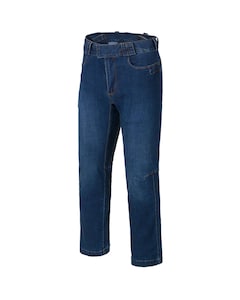

Tactical pants at Militaria.pl
The Militaria.pl offer includes several hundred models of tactical pants from manufacturers such as: Helikon-Tex, Pentagon, Mil-Tec, Brandit, M-Tac, or UF PRO. The individual models differ in cut, material composition, and purpose.
Both lightweight pants with elastane for everyday use and models made from thicker material, reinforced with Cordura around the knees and seat, are available for sale. Selected variants offer pockets for protective inserts and profiled knees, which increase comfort during movement. Pants are available in various cuts, such as slim fit, regular fit, or straight cut, as well as in different leg lengths, making them easier to fit to your body shape.