How to waterproof shoes and what agents to use?
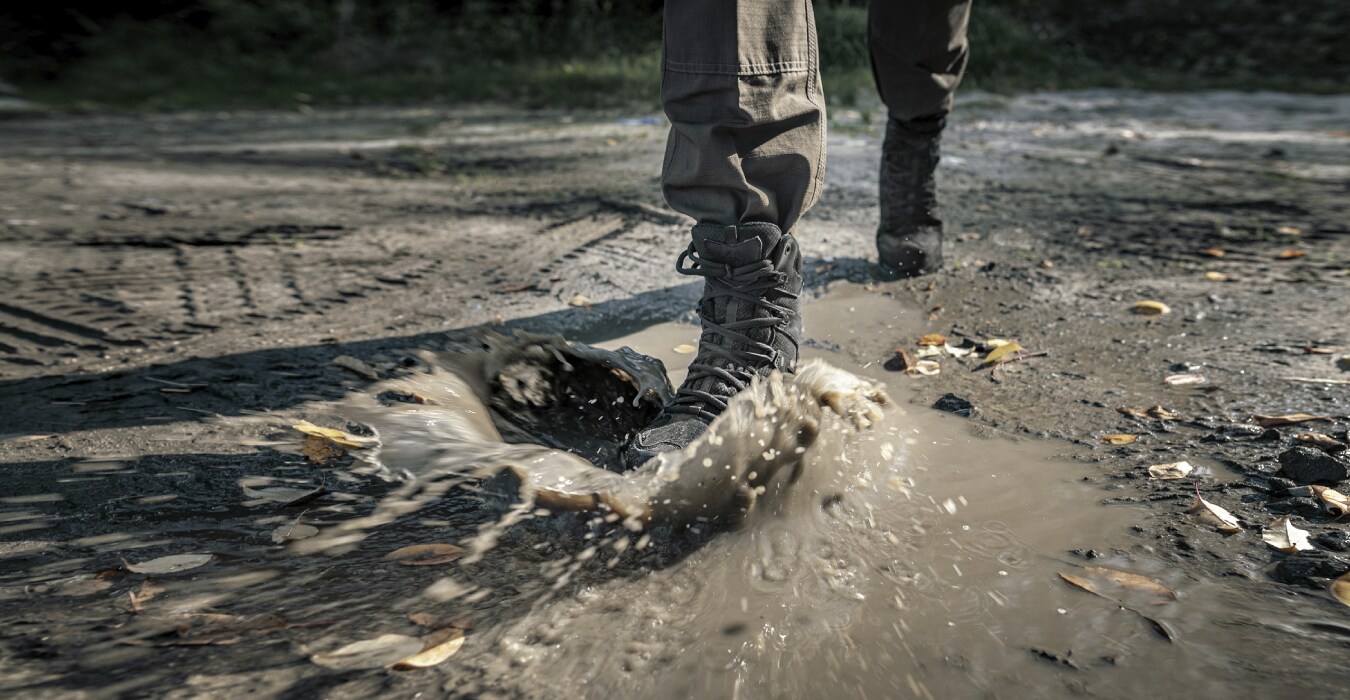
Shoes exposed to water, salt, and frost lose their appearance and functionality faster – leather cracks, fabrics wear out, and glued shoe components may delaminate. Especially during outdoor activities or tactical actions, impregnation becomes a key procedure to extend the life of footwear. Done correctly, it will not only protect shoes from harmful external conditions but also prolong their lifespan.
Check out our guide to learn how to impregnate shoes made from different materials and the benefits of this procedure. Also, find out how to properly prepare shoes before impregnation and how often to carry it out for the best results.
Why is it worth impregnating shoes?
Besides rubber boots and waders, there are generally no completely waterproof shoes. However, there are models that absorb water faster or slower, depending on the material used and shoe design. The process of shoe soaking can be significantly slowed down by using so-called impregnation.
Impregnation of shoes is a process that involves protecting the shoe material from water, dirt, and other harmful external factors. It primarily involves applying special agents that create a protective layer on the surface of the shoe. Without proper impregnation, shoes wear out faster, losing both their aesthetic appearance and functional properties. Below are the most important reasons why it's worth impregnating shoes:
- Protection of feet from getting wet — thanks to impregnation, the outer fabric of shoes becomes less susceptible to rain or snow. The risk of moisture immediately penetrating into the shoe decreases. This is especially important for people trekking in difficult conditions, soldiers on training grounds, or during combat activities.
- Increased durability — impregnation protects footwear from damage caused by moisture, dirt, or salt (for example, winter on sidewalks). For instance, thanks to impregnation, the shoe upper is less prone to cracking, hardening, and fading caused by salt and moisture. Impregnation also protects, for example, the seams and joints of shoes from weakening by water and salt, preventing material separation.
- Easier cleaning — thanks to impregnation, you can clean dirt adhering to shoes more easily and quickly.
- Better appearance - impregnated shoes maintain their original appearance, color, and material texture longer.
- Cost savings - regular impregnation is significantly less expensive than frequent purchases of new footwear. However, it's important to remember that impregnations also cost money, and regular use involves additional expenses.
How to prepare shoes for impregnation?
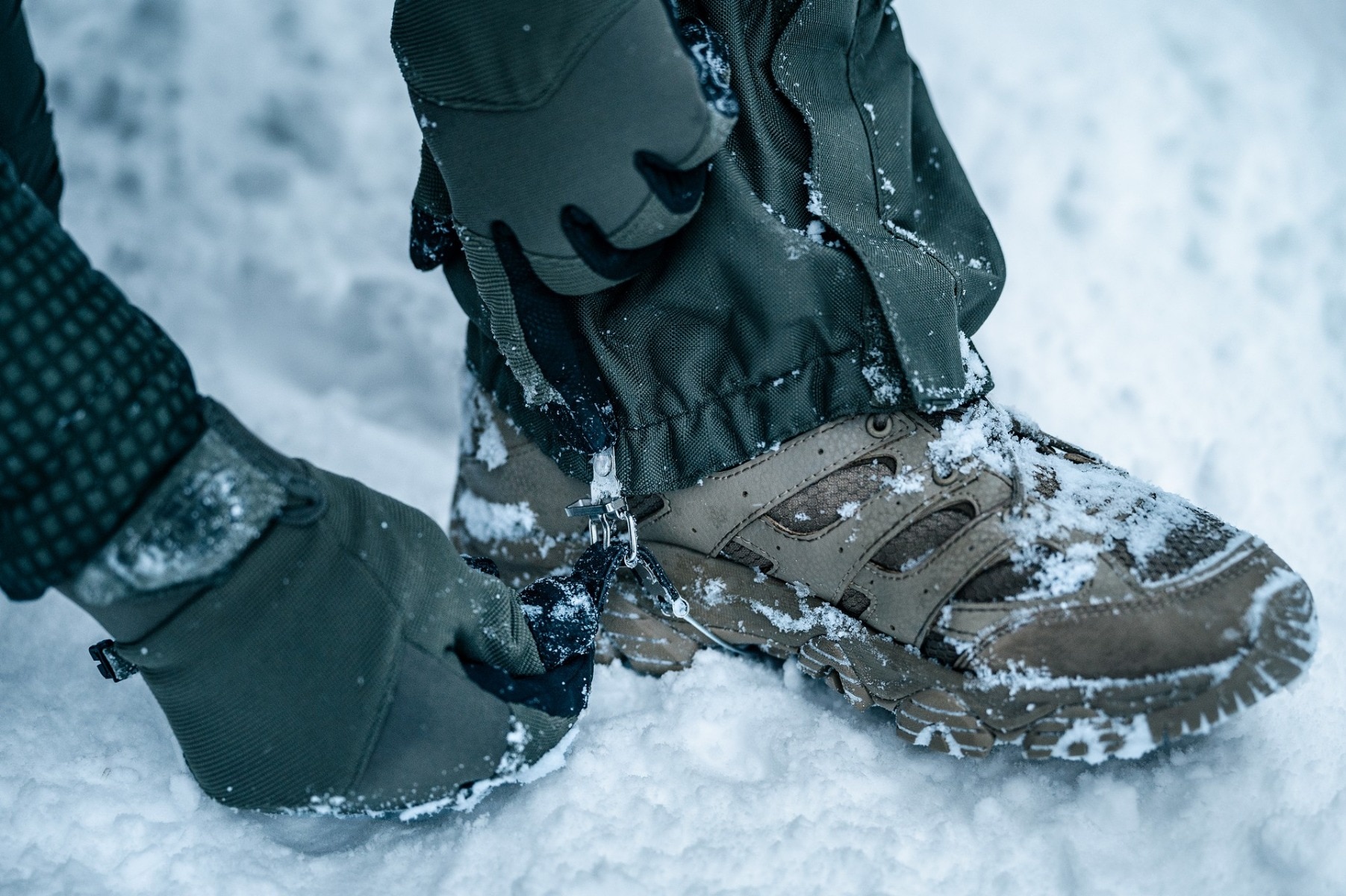
Preparing shoes for impregnation is very important because it ensures the impregnating agent will work effectively and provide genuine protection for the shoes. It's worth first reading the instructions for using the impregnating agent to apply it correctly. Then, prepare the shoes—clean them thoroughly to remove dirt, dust, and other contaminants. Below we present step-by-step how to do it:
1. Clean the shoes
For light dirt, simply wipe the shoes with a damp cloth or soft brush moistened with lukewarm water. For more stubborn stains, it’s worthwhile to use a special shoe cleaning agent, such as cleaning foam, stain-removing spray, or gentle soap designed for the specific material (e.g., leather, suede, or textiles).
2. Clean the shoe soles
Soles often collect stones, sand, or remnants of soil. Rinse them with water or use a brush to get rid of dirt from the grooves.
3. Remove shoelaces (if any)
Take out the shoelaces to have better access to the tongue and shoe interior. You can wash them separately if they are dirty. It's best to do this by hand, but if you want to wash them in a machine, use a special laundry bag.
4. Dry the shoes
Do not impregnate wet shoes! They must be completely dry so that the protective agent absorbs well. Leave the shoes in a well-ventilated area, away from direct heat sources (e.g., radiator), which can unglue the seams.
After performing the above steps, the shoes are ready for impregnation. Remember that it’s worth first applying a bit of impregnation on a less visible part of the shoe to see how the material reacts to it. Sometimes it can happen that the impregnation causes, for example, discoloration, so such a test helps avoid unwanted surprises.

How to impregnate nubuck shoes?
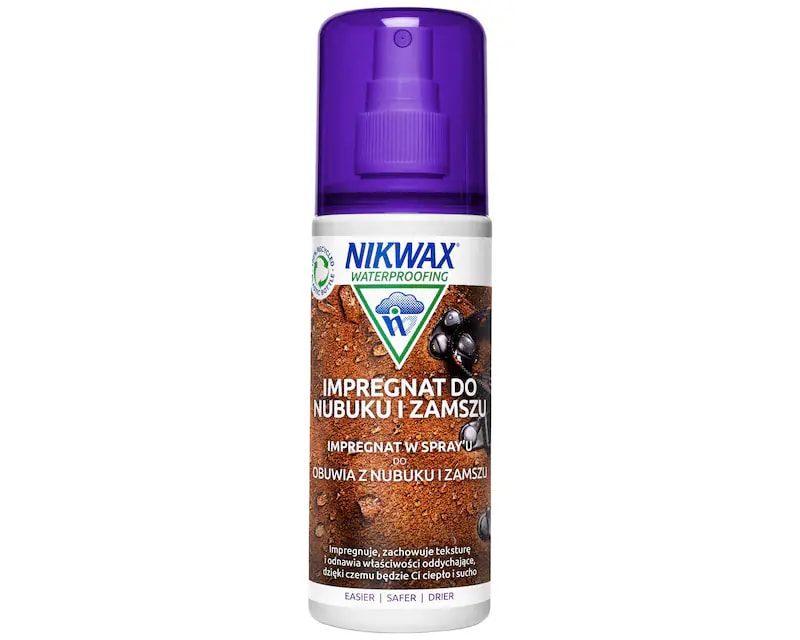
For impregnating nubuck shoes, it's recommended to use a spray or sponge applicator. Avoid using pastes and creams, as they can permanently damage the material’s structure. Pay special attention during the application of the impregnation to thoroughly cover sewing and bonding areas, especially around the sole, which are most prone to soaking. Any excess preparation can be gently wiped off with a dry cloth. After completing the impregnation process, set the shoes aside for a few minutes to dry in a dry, shaded place, at room temperature.
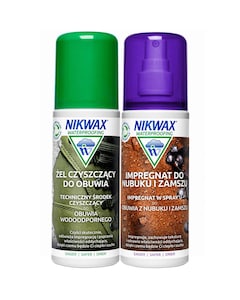
We recommend Nikwax spray for impregnating nubuck shoes. It should be applied from a distance of about 5 cm on a clean, damp surface of the shoes. This preparation is particularly recommended for footwear equipped with Gore-Tex and SympaTex membranes.
How to impregnate suede shoes?
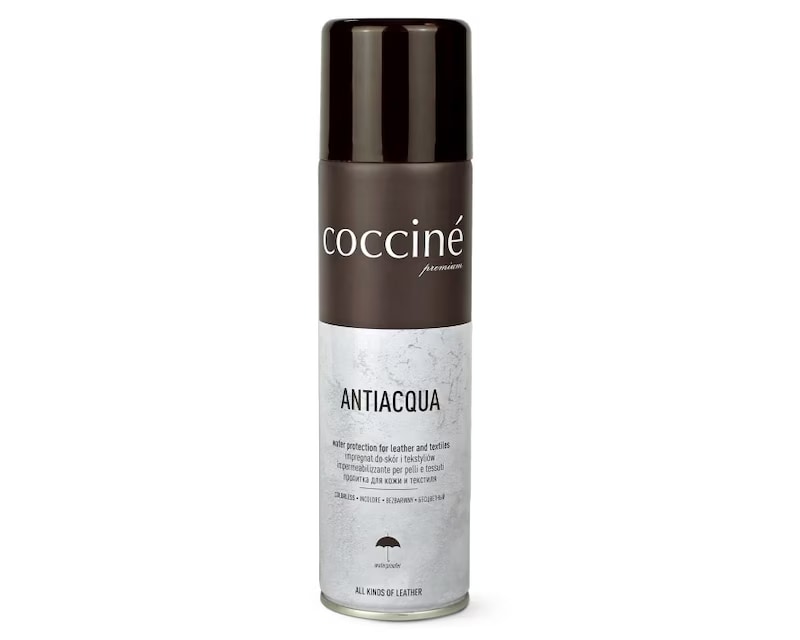
For impregnating leather - suede shoes, just like with nubuck ones, it’s best to use a special spray or sponge applicator. Ensure even distribution of the agent over the entire surface of the shoes. Pay particular attention to areas around the seams, as they are most exposed to water. After applying the impregnation, leave the shoes to dry in a natural environment, away from direct heat sources.
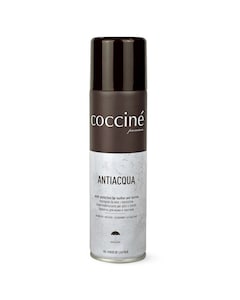
A great product for impregnating all types of footwear materials, including suede, is the Cocciné Antiaqua Premium spray impregnation. It does not affect the appearance, color, or other properties of the material, while also not blocking air flow. For the best results, the product should be sprayed evenly on a dry and clean surface of the shoes from about 20 cm away.
How to impregnate smooth leather shoes?
To impregnate smooth leather shoes, provided they do not have a membrane, it is worth using wax or grease. Rub the product into the leather with a soft cloth—preferably microfiber or flannel—making circular movements to distribute it evenly. Pay special attention to the area where the leather meets the sole, applying a little more preparation there, as this is a place especially vulnerable to soaking. After the application, let the shoes dry at room temperature—the process can take up to 2 hours. For smooth leather shoes with a membrane, it is best to use sprays.
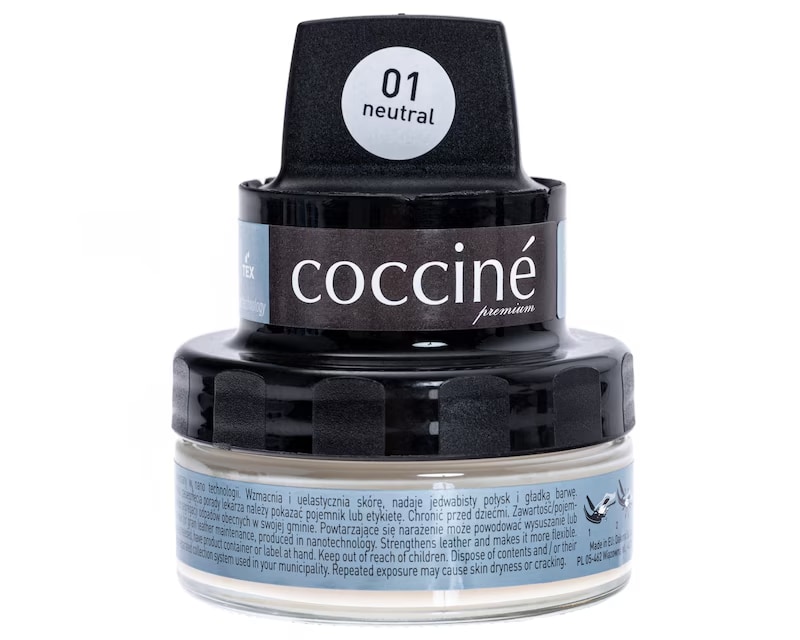
A popular choice for impregnating smooth leather shoes (without a membrane) is Coccine wax, which contains nanoparticles that increase skin's elasticity and lubrication. The product effectively protects footwear from adverse weather conditions, prevents water absorption, while also nourishing the material. The set includes an applicator for easy wax application, so there's no need for a cloth.
How to impregnate synthetic material shoes with a membrane?
Shoes made of synthetic materials are often more resistant to harsh conditions than their leather counterparts, but they also require impregnation. For impregnating such footwear, it is recommended to use sprays allowing even application.
Impregnation of footwear with a membrane requires caution when selecting appropriate agents. The best will be agents dedicated to this type of footwear, effectively protecting by creating a hydrophobic layer on the surface of the shoe. It is crucial that the agent does not clog the membrane's micropores.
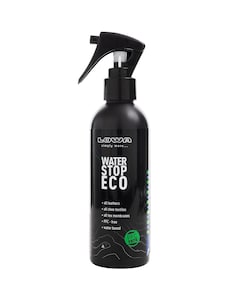
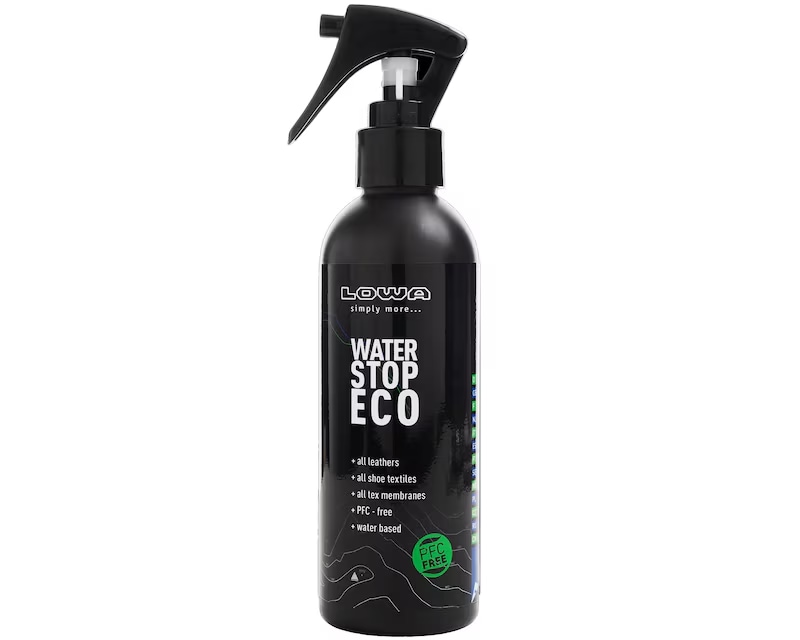
We recommend using Lowa Water Stop ECO impregnation spray, which is suitable for all types of shoes, including those equipped with a membrane. To get the best effect, the impregnation should be sprayed evenly on the dry and clean surface of the shoe from about 20 cm away.
How often to impregnate shoes?
If your footwear does not have visible dirt, it's generally accepted that impregnation once a month is sufficient. However, the frequency depends on how often you wear a particular pair of shoes and how much they are exposed to rain or snow. For shoes worn frequently in, e.g., rain, it is worth considering more frequent impregnation—even every 2-4 weeks, especially in autumn and winter.
A signal that it may be time to impregnate footwear again is when water, instead of forming drops (beading) and running off the material, begins to penetrate it, causing dark spots to form.
Is it worth impregnating new trekking shoes?
Most new trekking shoes, especially those from renowned brands, are factory impregnated, but manufacturers rarely provide this information, so there is no certainty. With this in mind, it is definitely worth impregnating new trekking shoes yourself before your first trip.




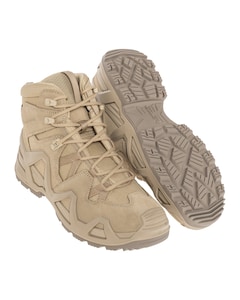

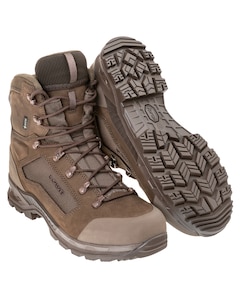
Impregnation offer at Militaria.pl
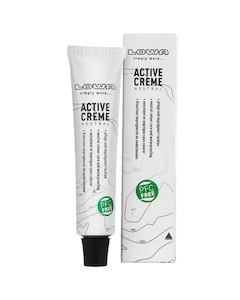
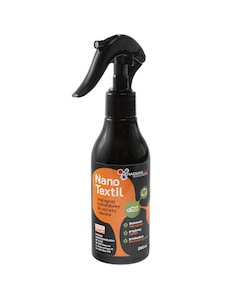
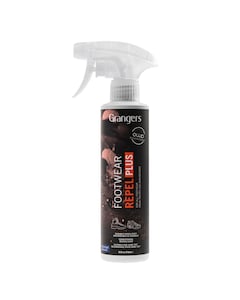
The Militaria.pl store offers various agents for shoe impregnation. You'll find among them universal products that can be used for all types of footwear, as well as preparations dedicated to specific materials. We offer impregnations from brands such as Lowa, Hadwao, Coccine, Nikwax, and Grangers. Remember that regular shoe impregnation is a simple way to effectively protect footwear from moisture, dirt, and loss of aesthetic appearance.