The rule of threes in survival - or priorities in a crisis situation
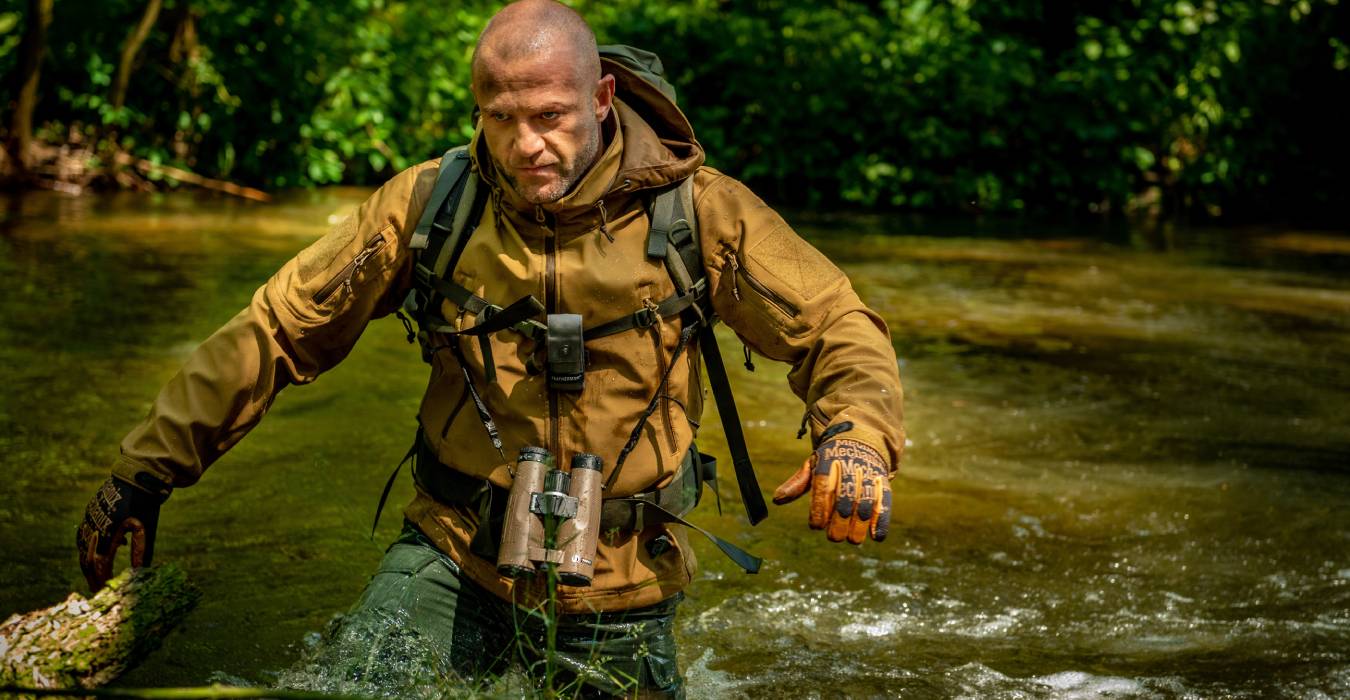
The rule of threes is applied to traditional survivalism and is used to identify survival priorities. In other words, it is a set of principles that shows human weaknesses and indicates in which order and what we should do to increase our chances of survival in emergency situations. The rule of threes, although derived from traditional survivalism, is also applicable to its modern variant.
Read our guide and find out what the rule of threes is and what its main principles are. Familiarise yourself with these principles as they will make it easier for you to plan how to act in the event of an emergency. Remember that it is always better to be prepared in advance and have the necessary emergency supplies at home.
The rule of threes - what is it and what are its basic assumptions?
In survivalism, the rule of threes is a set of rules that define the key priorities for survival in extreme conditions. They are ranked in terms of the urgency of meeting basic human needs. The sooner a need must be met, the higher it is on the list. The rules are a simple and practical way to organise one's activities and create a plan for survival in difficult circumstances.
The principle in its six-point version states that the average person is able to survive approximately:
- 3 seconds if he makes an ill-considered decision in a stressful situation,
- 3 minutes without oxygen (air) or in ice-cold water,
- 3 hours without adequate clothing, shelter and fire in difficult conditions,
- 3 days without water,
- 3 weeks without food,
- 3 months without contact with other people.
Decisions in the first three seconds are crucial
According to the first rule of the ‘three threes’, the most important thing in a crisis situation is to make a quick decision and react instantly within the contractual three seconds. It is impossible to give in to fear and panic, which can lead to us taking no action or making the wrong choices. Only staying calm will give us the space to think clearly and assess the situation.
Of course, stress in crisis situations can sometimes be so strong that it can paralyse our actions. That is why it is worth training our reactions to potential crises, if only through survival simulations. This type of exercise allows us to hone our decision-making skills under time pressure.
Three minutes without oxygen or in icy water
The average person can hold their breath for 30-90 seconds (this time depends on their fitness level and lung capacity). After three minutes, most people begin to lose consciousness. The same happens if you fall under the ice on a frozen lake, where, as a result of sudden and uncontrolled contact with water below 0°C, the body loses heat at a very rapid rate, leading to hypothermia and unconsciousness within minutes. Keep in mind that this is very different from conscious walruses, where people prepare themselves for immersion in icy water.
With this principle, it is also worth mentioning that in the event of a fire outbreak or environmental contamination by radioactive dust, the natural reflex is to hold our breath to avoid inhaling harmful substances. However, we are not able to hold it for long, so it is extremely important to have the right equipment, such as gas masks. Everyone should also know how to perform CPR to help a person who has lost consciousness due to lack of sufficient oxygenation. In such a situation, it is useful to use mouthpiece for artificial respiration, which increases safety when performing CPR, although of course we do not always have this option.




Surviving without shelter, clothing or fire for three hours
In an emergency situation, unless we have to flee from a wild animal or are injured, the priority should be to provide shelter and thermal comfort. It is a good idea to prepare a place in advance where you can wait out a difficult circumstance - this could be a holiday home, caravan, garage or military tent.
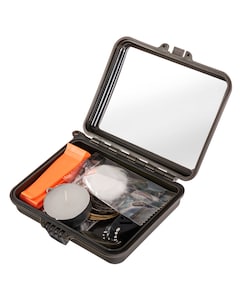
This rule also reminds us that every EDC kit should include accessories for starting a fire, such as: lighter, kindling and flint. They make it easier to light a fire even in difficult conditions. Appropriate clothing is also important - before leaving the house, it is a good idea to adapt your clothing to the prevailing weather conditions. In the city, where we have access to shelter, it is easy to forget this, but outside the city a change in the weather can take us by surprise. Appropriate clothing and EDC are essential for survival, especially when out in the open.
If we do not prepare in advance and have to take shelter in the forest, we can build a basic shelter. An example would be a shelter, which is made by laying branches on a single beam supported by the ground and other objects such as a tree. This type of shelter provides good protection from wind and rain. However, improvisation will not always be sufficient in an emergency situation. These ‘three hours’ are really not much time, so it is worth preparing in advance to avoid panic when a crisis strikes.

Three days without water
The next priority on the list of principles is water, as without it a person can survive for about three days. However, it is worth noting that in some conditions this time may be shorter. In hot climates, the need for water increases significantly. In cold temperatures, on the other hand, the body loses water quickly as water loss increases with exhaled air.
The human body needs an average of about 2 litres of water a day to function properly, so it is very impractical to take a supply. Remember, however, that drinking unfiltered water, even if it appears pure, can be very dangerous. Anyone preparing for emergencies should, first and foremost, stock up on water treatment equipment or tablets, so that it can be drawn from natural sources. Of course, if we have a vessel and the ability to light a fire, water can also be boiled.
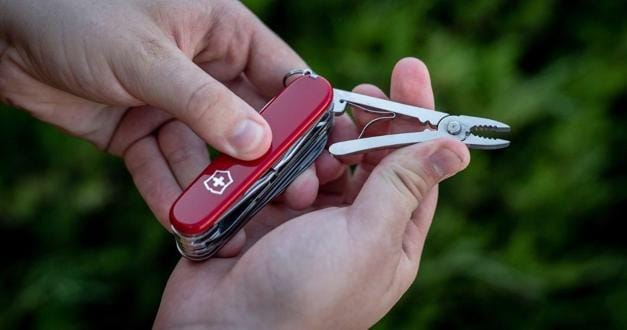
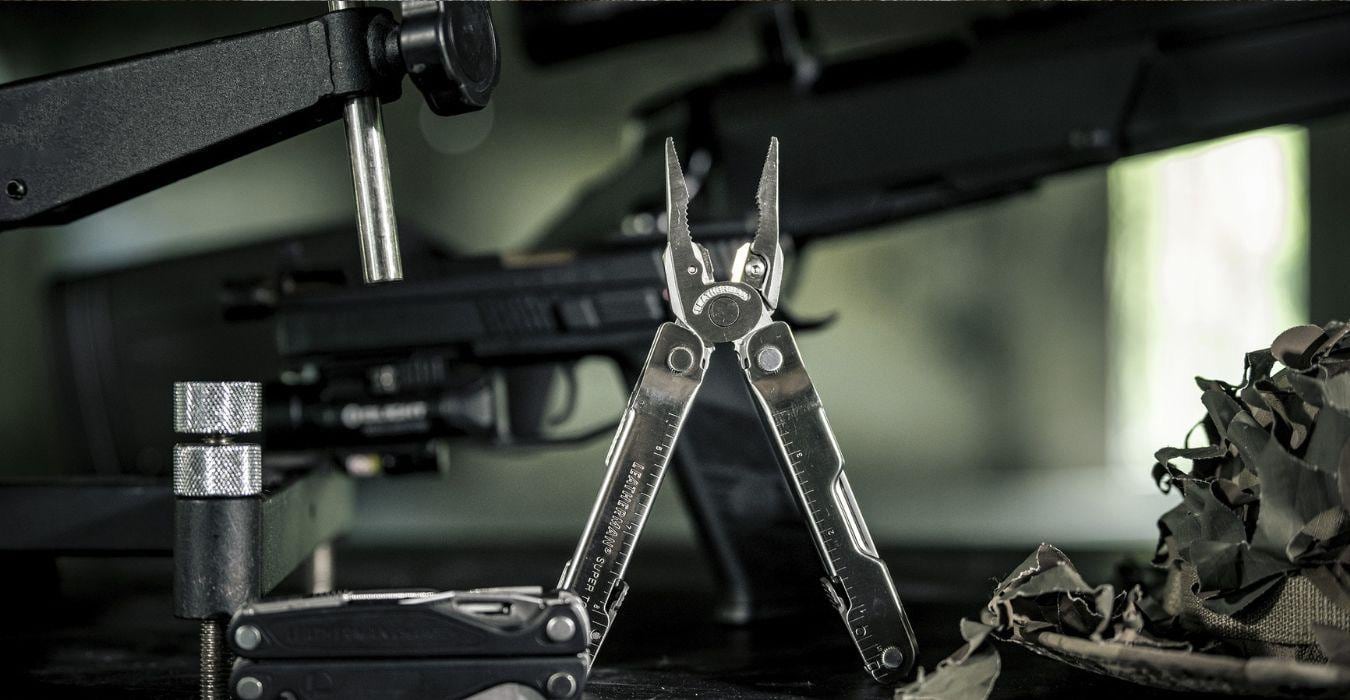
In a situation where we do not have a filter or, for example, a canteens, in which we could boil water, you could try making a vessel out of bark. Trees such as lime, willow or poplar are best suited for this purpose. It is also useful to knife or multitool, which will make it easier to make such a vessel.
If access to water is limited, it is a good idea to conserve energy. We should rest during the day and avoid eating if we have nothing to drink, as the digestive process increases the body's need for hydration.

Three weeks without food
The human body is able to survive without food for about three weeks or even longer. However, the lack of food in crisis situations causes a person to lose hope of survival. Such a state can lead to a drop in morale, increased anxiety and a lack of motivation to continue. Therefore, anyone preparing for such situations should stock up on food. A good choice is freeze-dried food, which provides a large number of calories and is light. It should be rationed appropriately if you are unsure how long an emergency situation will last.
If the situation is unexpected and we don't have any food supplies, we can always take advantage of what nature has to offer - for example, edible mushrooms and plants can be found in the forest, even in winter.

Three months of isolation - the social dimension of survival according to the rule of threes
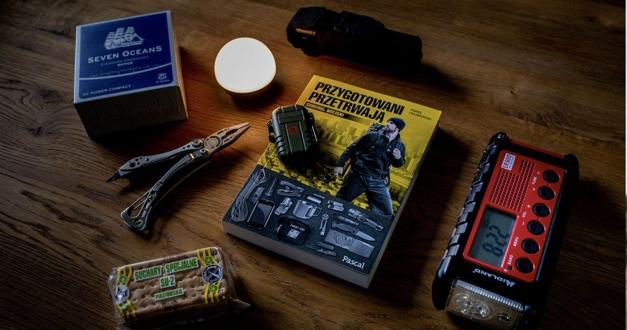
The last rule deviates slightly from the others, but is as reasonable as possible. Humans are social creatures by nature, so after about three months, loneliness starts to feel more and more to them and can lead to mental imbalance. Also, without social support, it is harder to maintain the strength and determination needed to survive - many people simply start to give up at this stage. When contact with other people is not possible, it is important to find ways to simulate interactions or keep a personal diary. If preparing in advance for various such situations, it is always best to have in your backpack notebook and pen, to write down your thoughts. You can also take along emergency radio, to listen to messages, which will also be a substitute for human contact.
Range of survival products at Militaria.pl
Prepare in advance for emergencies and buy all the necessary products available in our category survival. You will find: survival kits, water purification accessories, food supplies, first aid kits or fire starting tools. We also offer equipped evacuation backpacks to have at home for emergencies. Be ready!