Types of cutting edges of knives - comparison and application
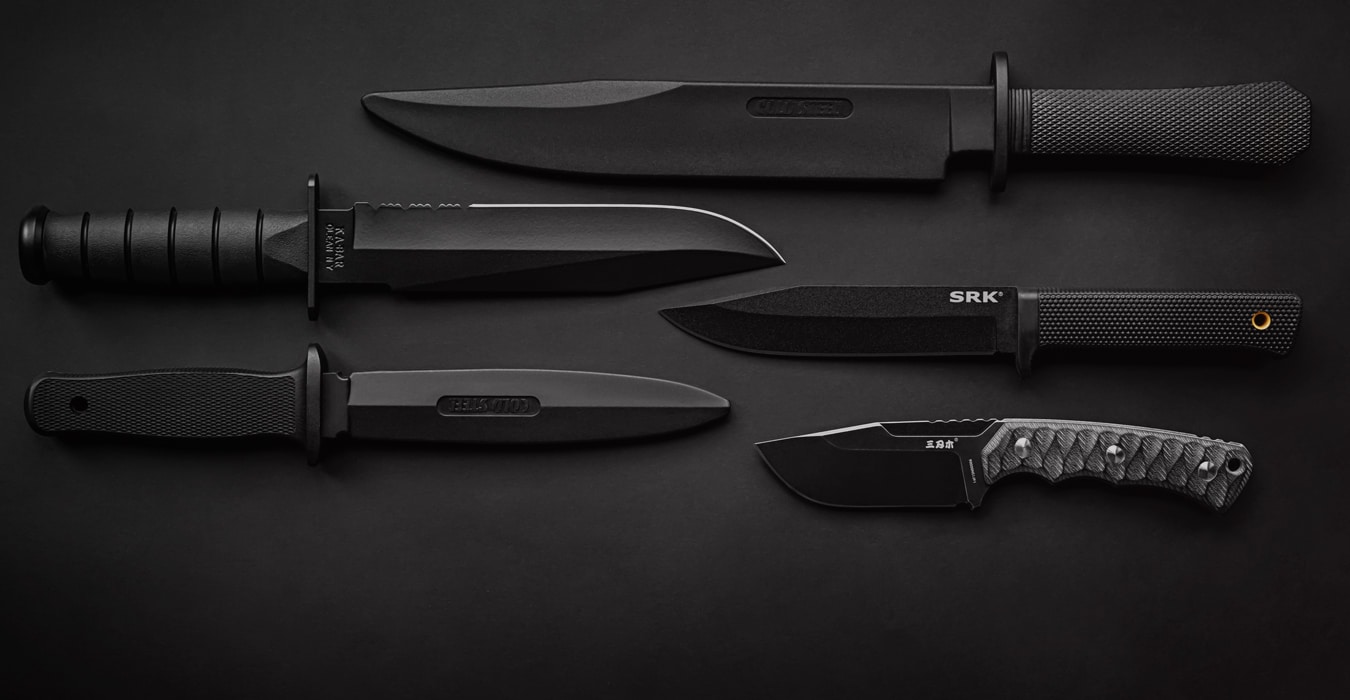
In addition to characteristics such as the type of steel and the shape of the blade, the cutting edge determines the suitability of the knife for the job in hand. Depending on the material you are working with and the type of cut (e.g. slitting, fine cutting, chopping, planing), a smooth blade or a serrated blade may be more useful.
In this guide, you will learn about the three main types of knife cutting edge and which tasks they are designed for.
Knife blade types - smooth, serrated and partially serrated
For many years the choice was obvious - the smooth blade. And not at all because it is better, but because it was the only option available. Serrated knives have only recently become more popular, and today we have three options to choose from - a smooth blade, a serrated blade and a partially serrated blade.
Plain - smooth blade

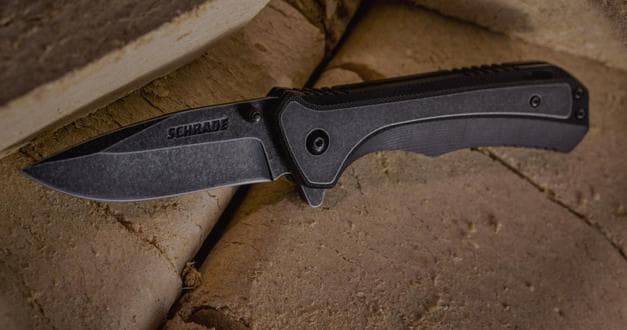
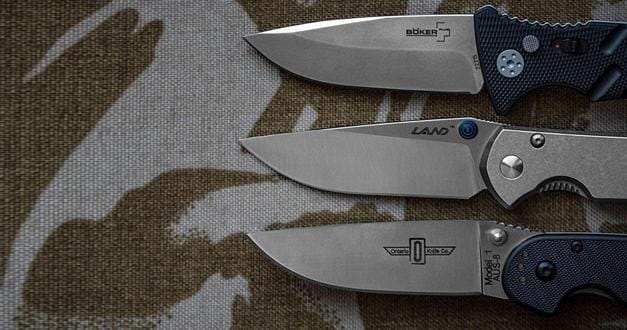
The basic blade type for both folding and fixed-head knives. Its advantage is that it provides an equally cutting edge, greater precision and is easy to sharpen. The uniform cutting edge, running from the threshold to the tip of the head, is particularly useful for tasks requiring precision, such as woodworking.
The smooth blade also works well for cutting soft materials, as it allows precise cutting without causing chipping. Recommended for most everyday applications.
Serrated - fully serrated blade

The blade is fully serrated, usually only the last 5-10 mm on the tip side is left smooth. What is a serrated knife suitable for? It is a type of blade for cutting hard materials such as plastics and fibrous materials such as ropes and fabrics, so mainly in knives for lifeguards, divers and sailors.
A serrated cutting edge is also often found in kitchen knives - examples are bread and vegetable knives. Serrated blades are also found in chef's knives, mainly because they are characterised by a more ‘aggressive’ cut.
It retains the ability to cut effectively for longer than a smooth blade of the same steel. Unfortunately, it is not suitable for precision cutting, planing or chopping. It requires precision files or specially shaped whetstones for sharpening.
Combo - partially serrated blade

The blade is partially serrated, usually on a 2-3 centimetre section on the handle side. Due to its versatility, it is often used in tactical knives for uniformed services and survival enthusiasts. It can be used to effectively cut both soft parts and hard ropes, tapes and similar materials.
Its disadvantage is the relatively short length of both the smooth and serrated cutting edge. Another difficulty is sharpening, as both the smooth and serrated surfaces must be sharpened separately.
Knife range at Militaria.pl
Take a look at our full range of knives, which includes both knives with plain blade, serrated, as well as partially serrated. You can choose between folding and fixed-head knives. In the Militaria.pl range you will only find knives from renowned manufacturers.