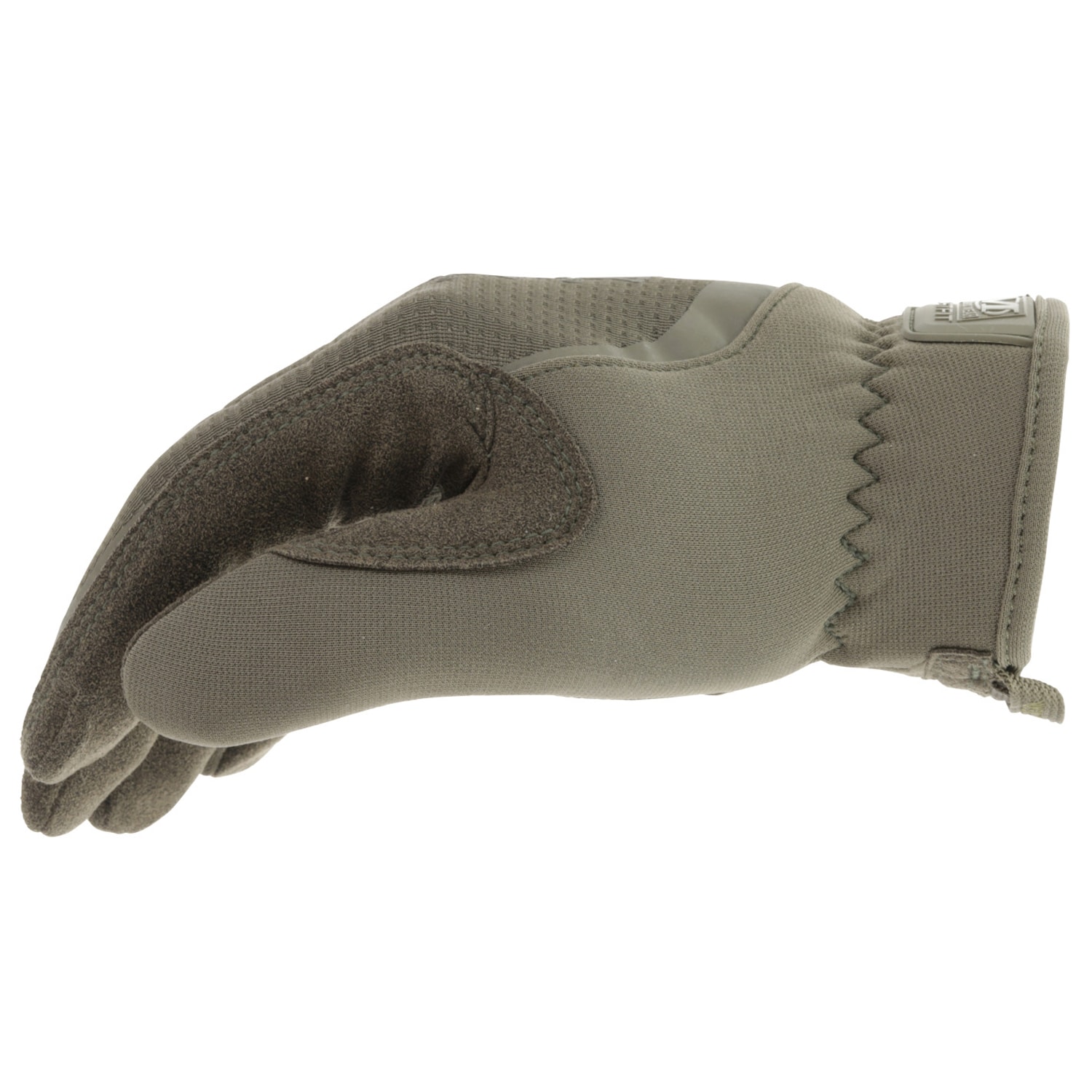
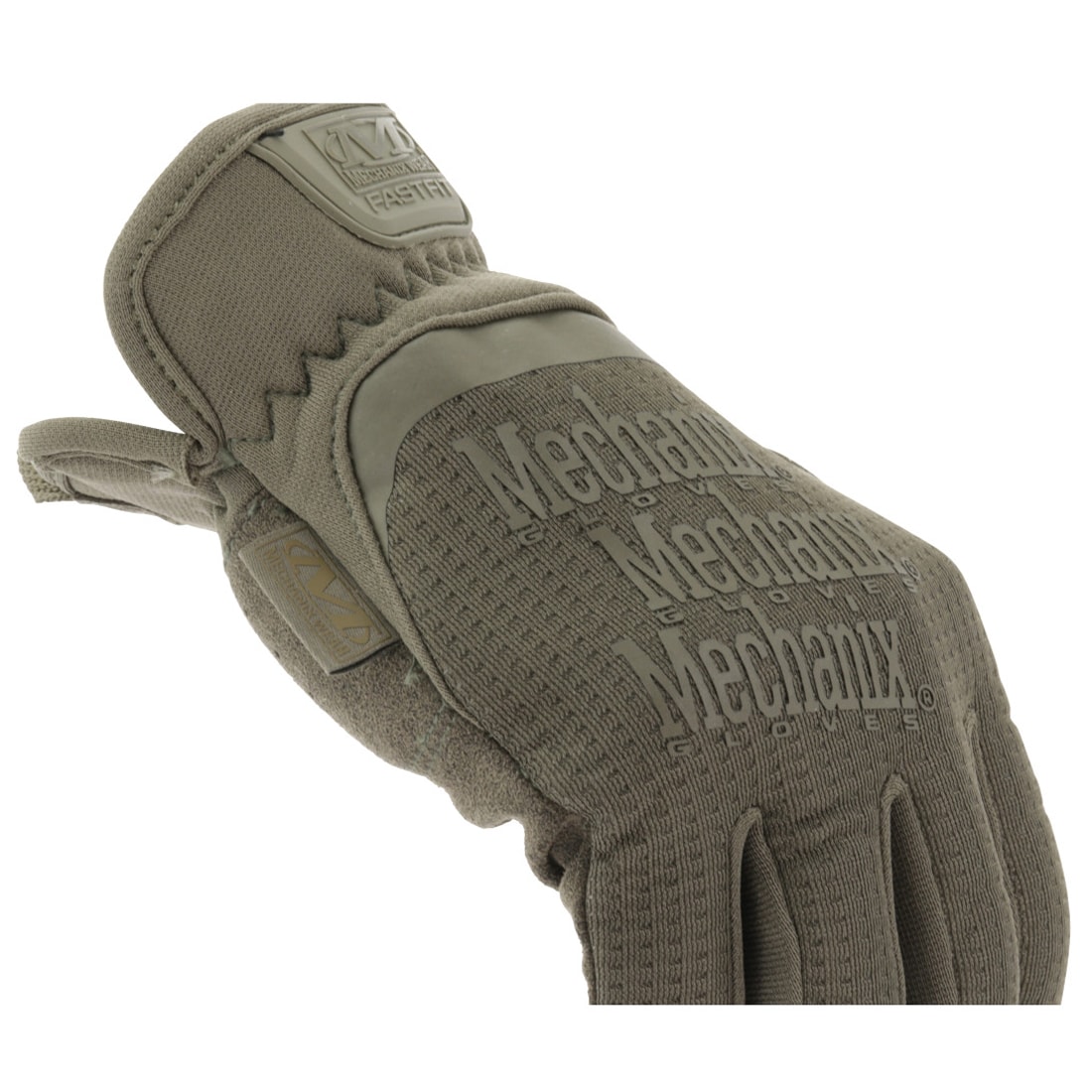
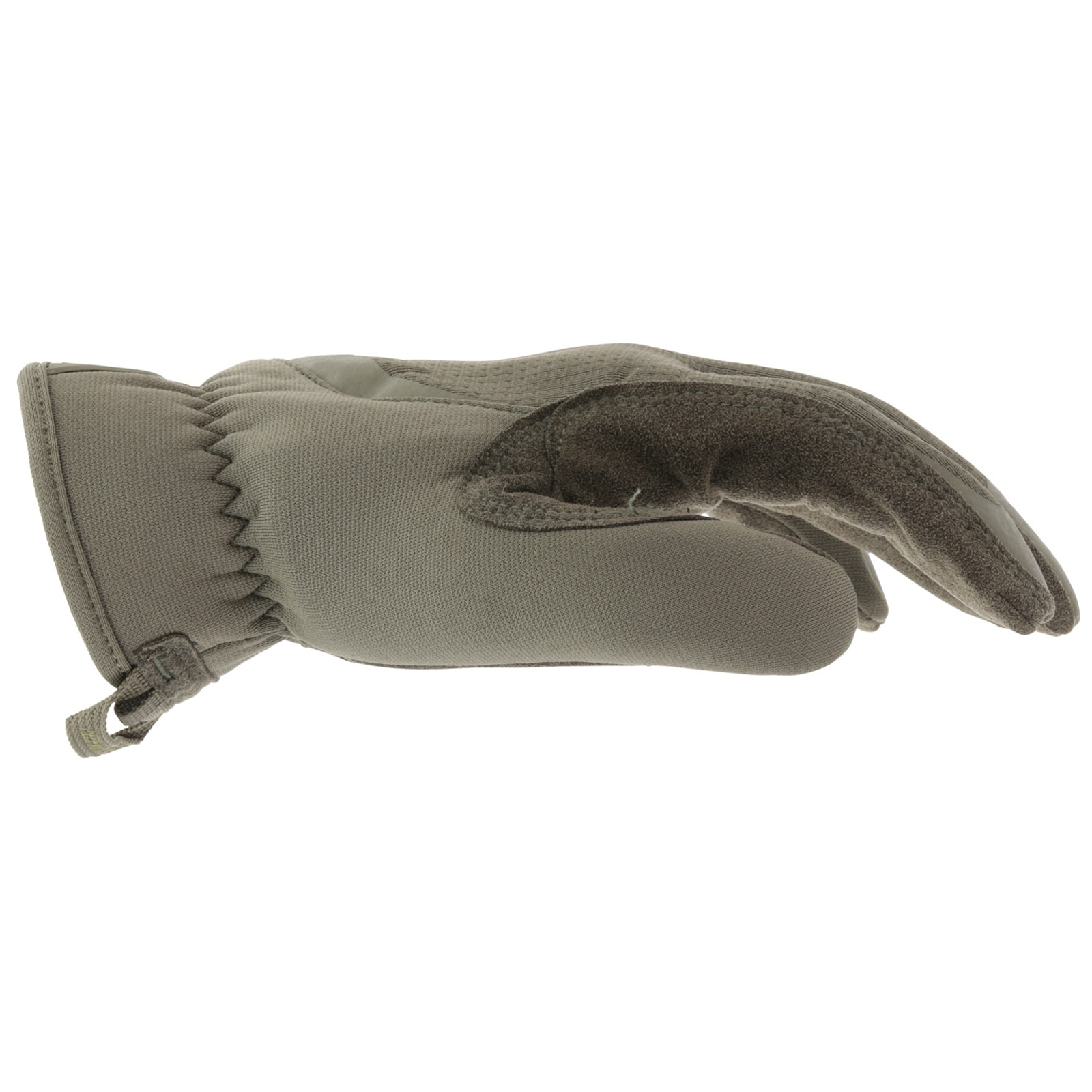
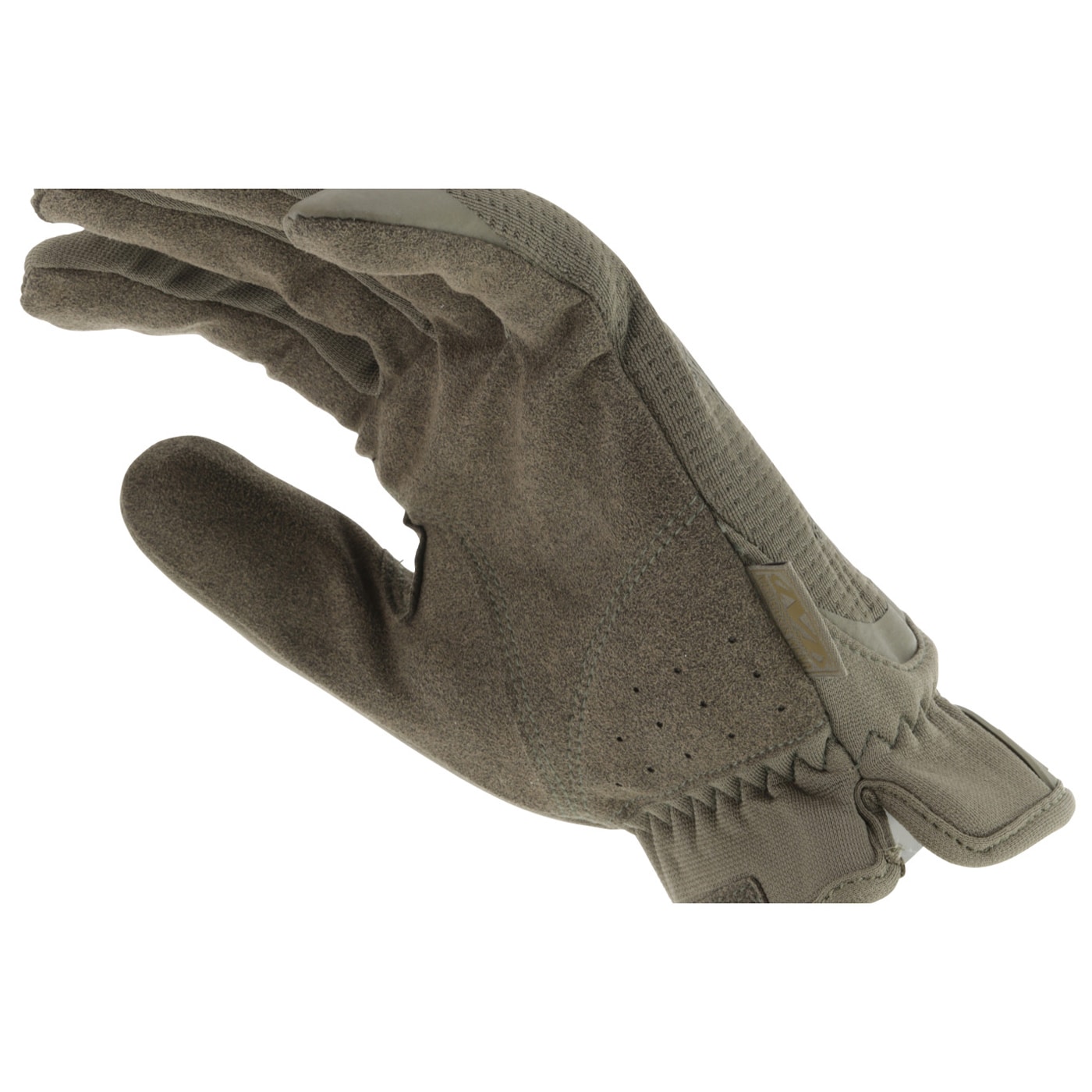
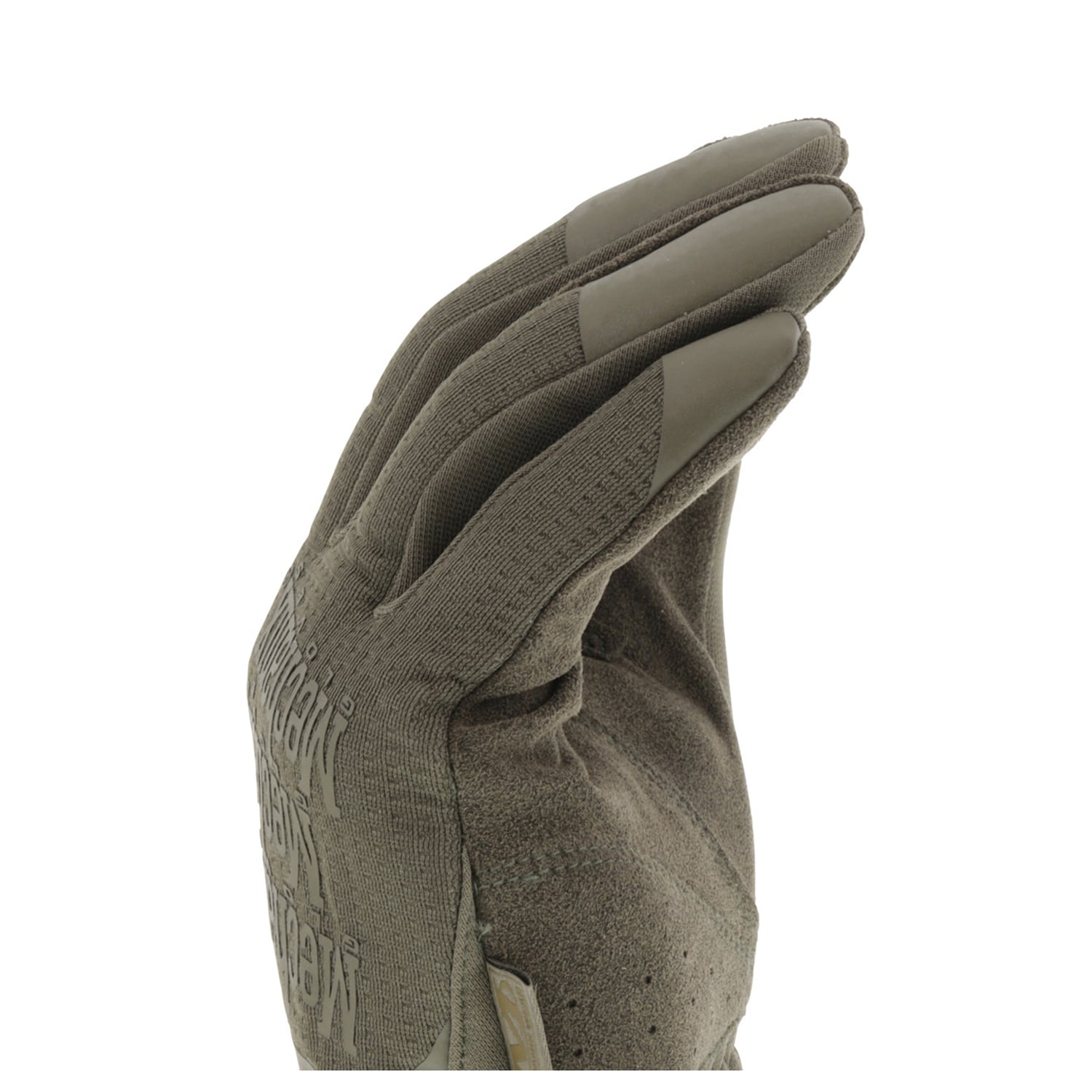
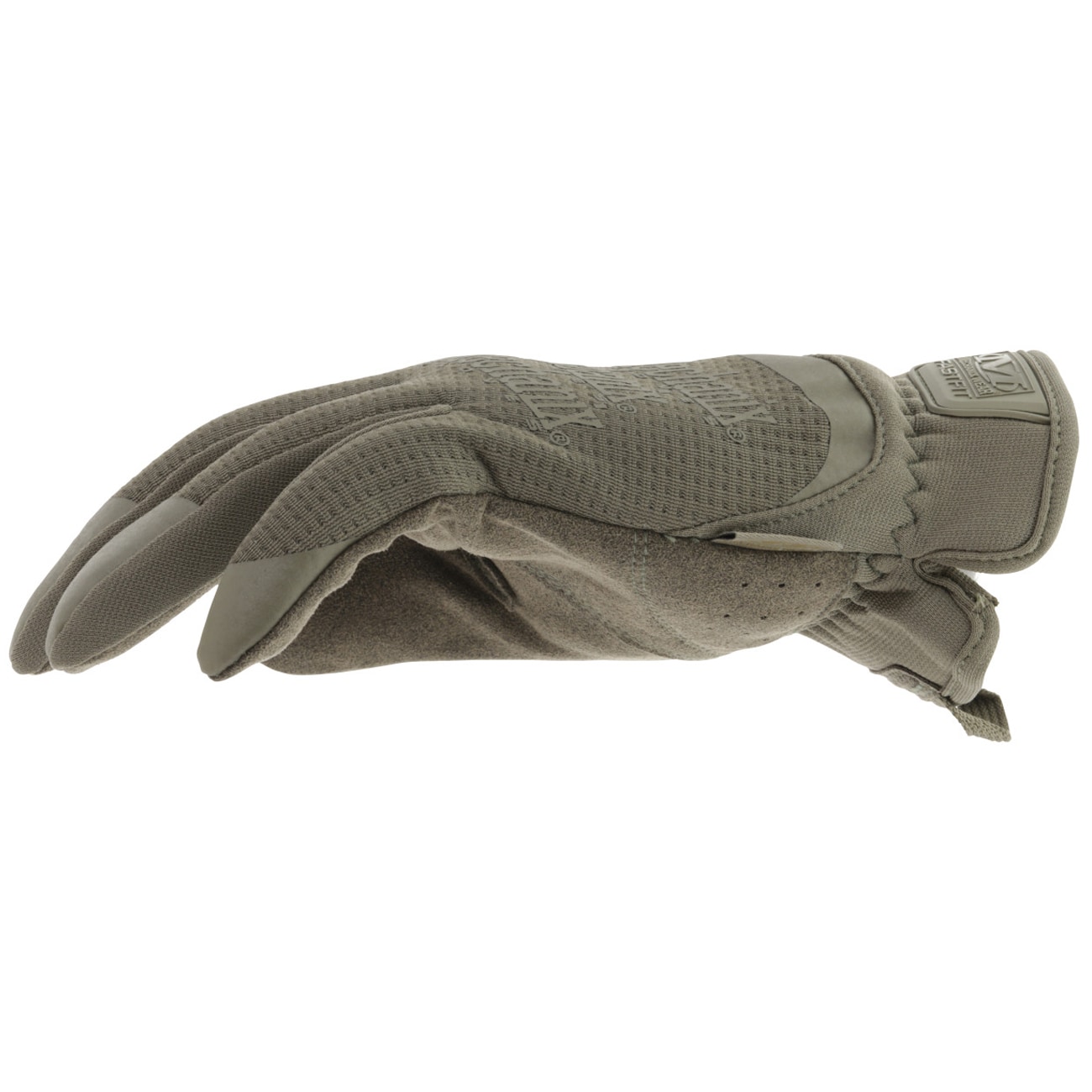
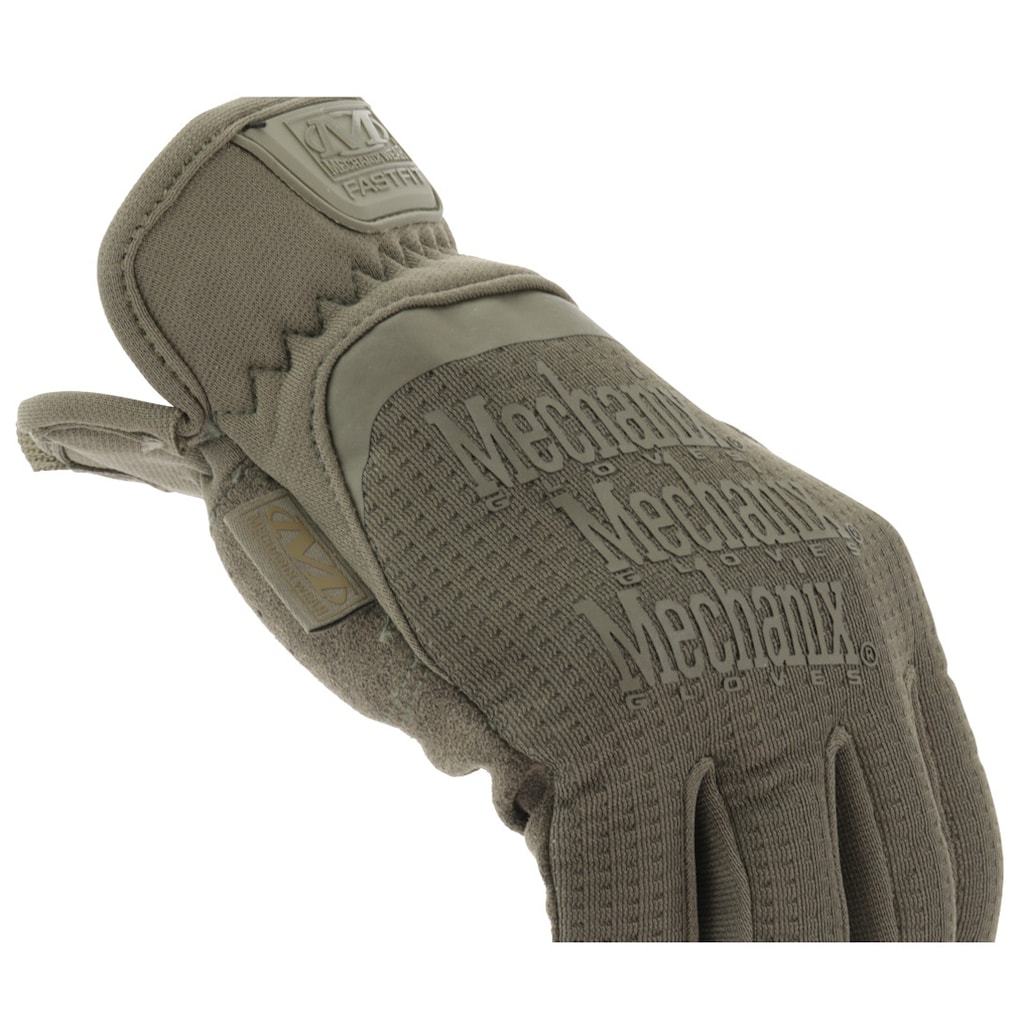
Designed for versatility, heavy-duty gloves offer essential mechanical protection. Ensuring an optimal fit, they guarantee maximum grip control while maintaining dexterity for precision tasks. Perfect for law enforcement officers, military members, shooting sports enthusiasts, as well as for use during survival adventures, automotive repair, DIY work, or ASG activities.
The upper section of the gloves features a breathable, lightweight TrekDry fabric that is form-fitting to minimize hand sweating. High-strength synthetic leather on the palm delivers excellent grip and precise tactile feedback, while also enabling touchscreen device use without glove removal. Additional reinforcement has been added to the thumb and index finger with an extra material layer.
An extended cuff with ribbing delivers enhanced protection and ensures the gloves stay firmly in place on the wrist. The entry is designed with an extra-wide opening, allowing for effortless putting on of the gloves.
Engineered to comply with the American protective standard ANSI/ISEA 105 level 3XX for cut, abrasion, and puncture resistance, the gloves offer the following:
- 3: abrasion resistance (rated on a 1 to 6 scale)
- X: cut resistance (evaluated from A1 to A9)
- X: puncture resistance (measured from 0 to 5)
Certified according to the EN388 level 2121X standard for mechanical protection, the gloves provide:
- 2: abrasion resistance (scale ranges from 0 to 4)
- 1: cut resistance (graded from 0 to 5)
- 2: tear resistance (evaluated from 0 to 4)
- 1: puncture resistance (measured on a 0 to 4 scale)
- X: cut resistance – TDM test (ISO 13997) (classified from A to F)
Within the ANSI/ISEA 105 framework, abrasion resistance is assigned a level from 1 to 6 corresponding to the number of abrasion cycles before material breakdown. Cut resistance spans A1 to A9, rating protection from the lowest to the highest. Puncture resistance uses a 0 to 5 scale, indicating the force needed to penetrate the glove surface with a sharp object (excluding needle punctures).
According to the EN388 standard, the level of glove protection is set by the rated scales: a value of 0 signifies no protection, whereas the highest values (4, 5) represent maximum resistance levels.
The TDM (ISO 13997) test employs letter codes, with A denoting the lowest level of protection and F representing the highest protection level.
X marking signifies that the respective parameter was either not tested or is not applicable.