Warm sleeping bags for winter
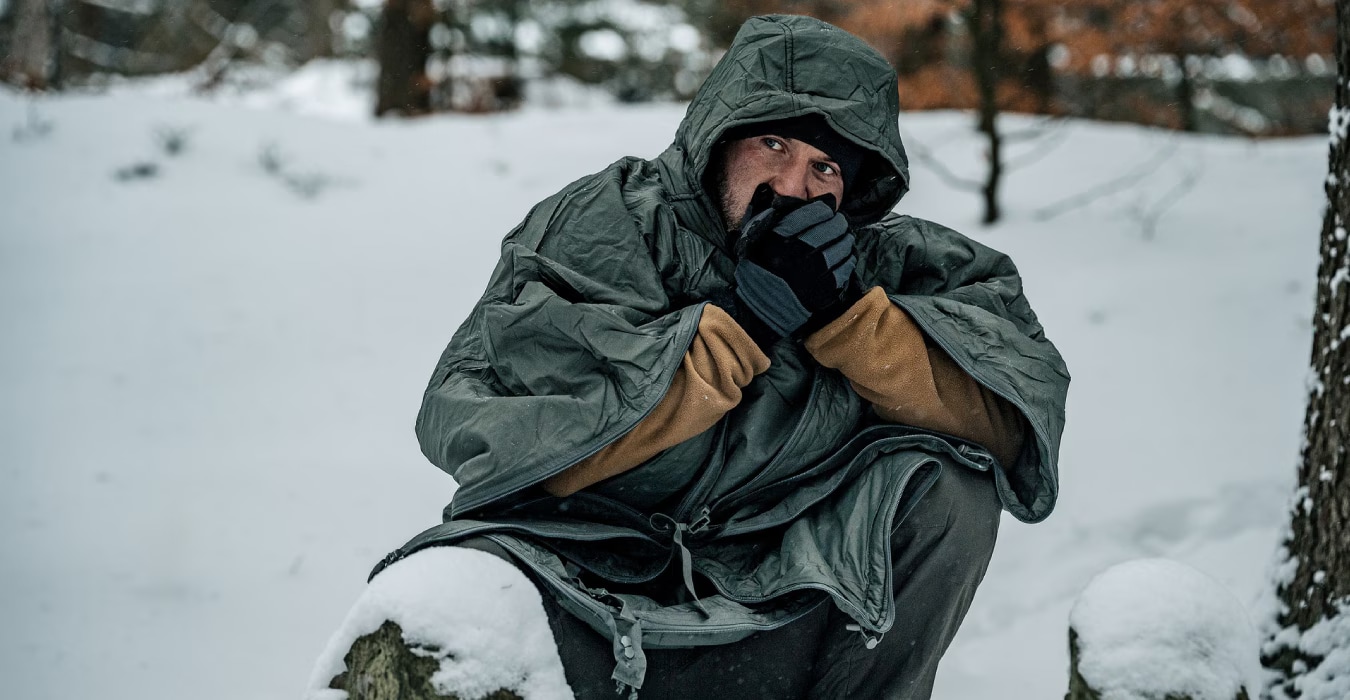
A winter sleeping bag used to be called a warm sleeping bag adapted to provide the user with thermal comfort in low temperatures. This does not mean that we will use it only in winter - going to high mountains even in summer, we must expect frost and snow. When choosing a sleeping bag, therefore, we should be guided by the conditions we expect to find at the place where we are going to camp.
Sleeping bags are marked by several parameters, including comfort temperatures:
-
the upper limit is the highest ambient temperature at which a "standard man" will spend the night in comfort without overheating or excessive sweating,
-
the lower limit is the lowest ambient temperature at which a "standard man" will spend the night in comfort,
-
the extremum index is the ambient temperature below which a "standard male" may be at risk of hypothermia.
According to the EN standard, a "standard male" is 173 cm tall, weighs 73 kg and is 25 years old. Keep in mind that people with similar body parameters may react differently to the cold and have different thermals. When choosing a sleeping bag for winter, we should aim for a temperature range between the upper and lower limits.
It is worth choosing a sleeping bag a few degrees warmer than the expected ambient temperature. A sleeping bag for low temperatures should be of the "mummy" type - tightly sealed and well-fitted to our height.
Sleeping bags for minus temperatures
In winter we will most often come to camp in minus temperatures. When going trekking in winter in mountains up to 2,000 meters above sea level, we should equip ourselves with a warm sleeping bag with a lower limit temperature of -10 to -15 degrees Celsius. When trekking in the lowlands in early winter, a sleeping bag providing comfort from +5 to -10 degrees will be suitable. In the situation where we are going to go to high mountains such as the Alps, we should choose a warm winter sleeping bag providing comfort below 0 degrees Celsius regardless of the season. When going on a winter trek beyond the Arctic Circle, you should expect temperatures around -30 degrees Celsius. In such conditions you should choose the warmest Arctic sleeping bags, and you should also think about warming inserts.


Lightweight winter sleeping bag
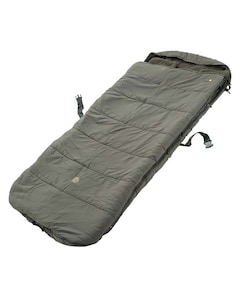
When planning a long winter hiking trip, reducing the weight of your equipment significantly reduces the effort you need to put in to cover more kilometers. A modern, ultralight thermal sleeping bag will provide excellent protection against minus temperatures, while maintaining a low weight and small size when compressed, unfortunately, this is the most expensive type of winter sleeping bag. Such sleeping bags are often equipped with a layer that reflects infrared radiation emitted by the human body, so they provide better insulation while keeping the weight low.
Winter down sleeping bags
Winter sleeping bags designed for use in the lowest temperatures will be down sleeping bags. Down has much better insulating properties than even the most advanced synthetic fibers. A good quality winter down sleeping bag should have a resilience of at least 650 CUIN (CUIN is the resilience unit of down) and a feather-to-feather ratio of at least 85/15. Down-filled sleeping bags will be twice as light as synthetics while maintaining the same thermal performance.
Synthetic sleeping bags for winter
Synthetic-filled sleeping bags are not as warm and light as down sleeping bags, but they also have advantages that make them a good choice as a sleeping bag for winter. They are an excellent choice for people who don't mind the increased weight of a sleeping bag, but don't want to spend a large amount of money. Synthetic sleeping bags also have increased moisture resistance and dry faster, which is useful when camping in coastal areas and when the temperature oscillates around 0 degrees Celsius. If you are looking for an inexpensive sleeping bag with a lower temperature limit down to about -10 degrees Celsius synthetic sleeping bags will be a good choice.