What to pack for camping?
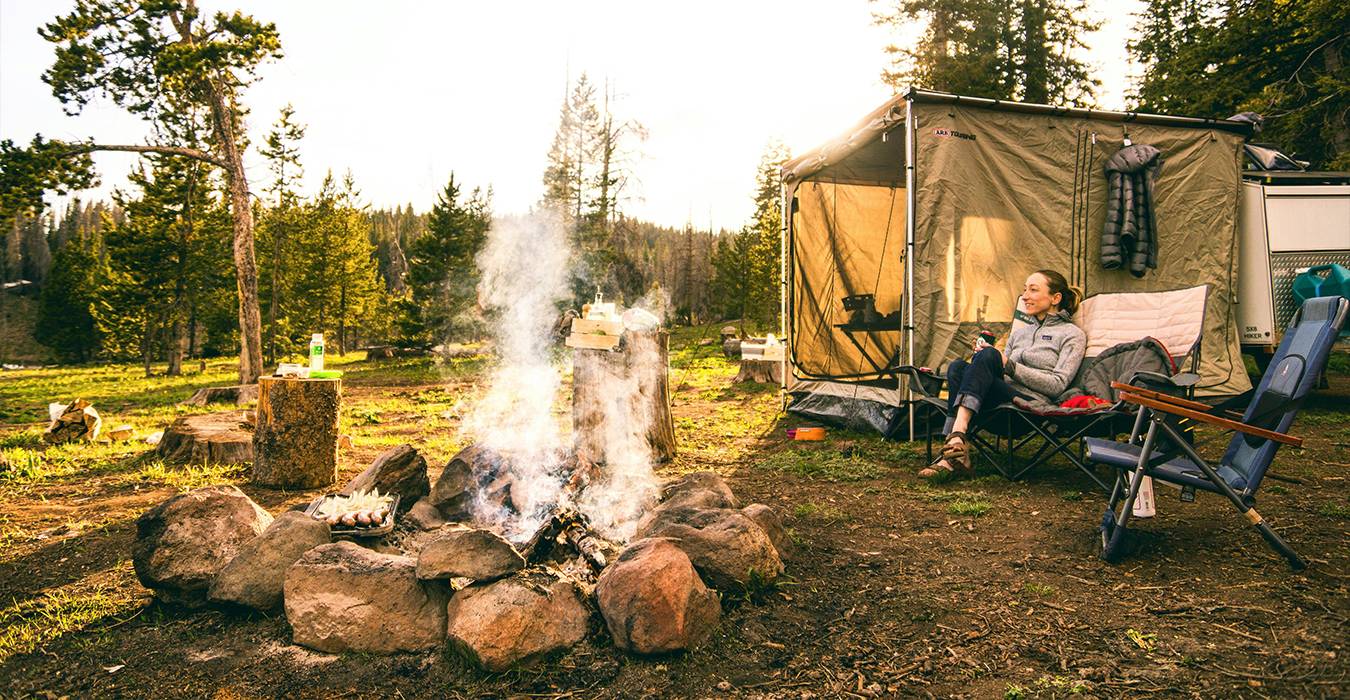
The spring-summer season is the ideal time to spend leisure time on the water and in the woods - generally among nature. In this guide you will find out what comes in handy when camping, what you should have with you for sleeping, and what other accessories you may need or even need.
Accessories for sleeping on a camping trip
What to take on a camping trip to get a good night's sleep and provide protection from the cold and insects? We will present and discuss the necessary accessories for successful camping. What to follow when choosing a tent, sleeping mat or sleeping bag? What model should you choose in order to fulfill its full purpose? We answer these and other questions later in this guide. Want to go camping while packing only a backpack? See the infographic below for what to pack in a backpack for camping.
Tent - or portable bedroom
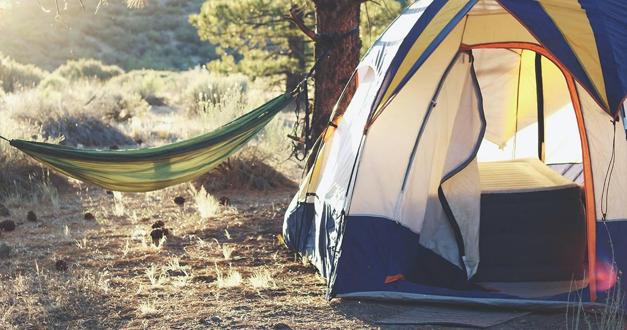
A tent is the basic thing you need to remember when planning a camping trip. Think of it as a portable bedroom. What, then, should you do to make a night spent in a tent comfortable? First of all, make sure you buy the right size. Take into account how many people will be staying overnight, what height and stature they are. Check the dimensions of the tent and remember that it is better to take a slightly larger one than a model that is too small. Manufacturers specify the total and sleeping area. The most important for you will be the latter - it will indicate exactly how much usable space there will be. On the market you will find tents designed for one, two or even 6 people. A little tip: if you plan to camp alone, it's still better to choose a 2-person tent. It will give you more space to store your luggage, and you will have a place to sleep in case one of your friends decides to join you.
The material of the tent is also an important consideration for tents. If you plan to make frequent trips to rougher terrain, then pay special attention to ensure that the tent tracker is made of tear-resistant material. One of the best solutions is RipStop weave material. This is a special mesh that prevents much of the material from tearing. Also pay attention to the quality of seam bonding.
The degree of waterproofness of the tropics is also of considerable importance. You never know when you will be surprised by rain, especially in the mountains or by the sea. Cheaper tents will have a water resistance rating of less than 1,000 mm water column. It is best to look out for those that have this value at a minimum of 2000-3000 mm. This will provide protection from less and more rain. The way the tent is pitched - the proper stretching of the tent's tropical cord, also affects the rain protection. After the fabric is stretched tighter, the water will flow freely, not stopping and not soaking it.
In addition to the issues we have already mentioned, it is also worth keeping in mind additional aspects, such as whether you need an additional vestibule. This is a good solution for leaving dirty shoes or luggage. This may be of particular interest to those who are planning a longer, stationary camping trip. On the other hand, it will be impractical and very cumbersome for spending a night or two out of town. After all, setting up such a tent is very time-consuming and a lot of space is required. What else to take on a camping trip besides a tent to get a good night's sleep?
Mattress or mattress - or what to sleep on
A tent alone is not enough, you need to put something else in it to sleep comfortably. Here you have several solutions to choose from.
The simplest, cheapest, but thus least comfortable, is a carrimat. A small roll-up or folding foam, which will be good only on warm days. Camping in early spring or autumn is out.
A more interesting choice will be a self-inflating mat. It is definitely more comfortable, but you also have to expect a little more cost. It will better protect you from the cold and will be ready for use after a few/some minutes. All you have to do is unscrew the valve and the foam inside will fill with air.
The most comfortable solution is, of course, an inflatable mattress. It will work well both in summer and winter. It will provide definitely more sleeping comfort and protection from the cold. Of course, the mattress also has disadvantages. First of all, it takes up more space in the tent and transport, you need a pump for it, and this involves additional costs - something for something.
If you'd like to learn more about this topic, please visit our separate guide on what to choose for camping sleeping. There we discuss each of the three solutions in more detail, give the pros and cons and which will be best for a particular form of vacation.
Is it worth bringing a sleeping bag?
You already have a tent to protect you from rain, wind and cold. You also have something you can lie down on comfortably. Then you still need a sleeping bag. Why is it a good option and when is it worth buying one?
If you are going on a longer camping trip, this may not be ideal. On the other hand, it will be a great choice for an active vacation, when you spend the night in different places during a multi-day hike. You can easily roll up such a sleeping bag, it won't take up much space and you can easily throw it into your backpack. Combining a lightweight tent with a sleeping bag is an ideal combination for long hikes.
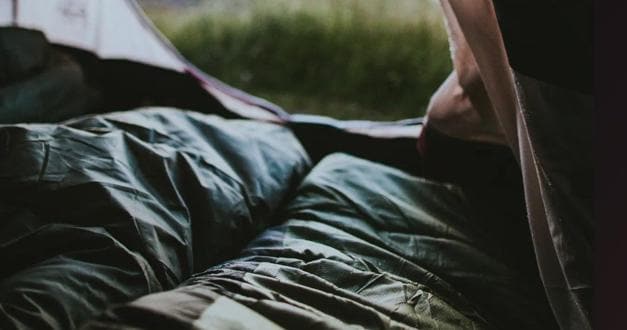
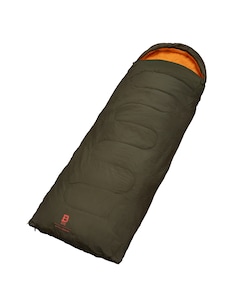
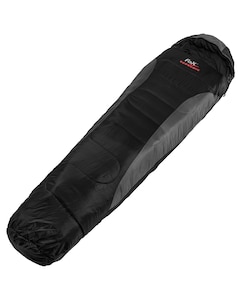
A sleeping bag is meant to give you a good night's sleep. It means to keep you warm and comfortable. It can have down filling, synthetic filling or be made entirely of silk. You can find the advantages and disadvantages of each solution and which sleeping bag to choose for yourself in our sleeping bag guide.




Trinkets useful for camping
Tent, sleeping mat and sleeping bag are essential accessories for a comfortable night's stay. What else can come in handy on a camping trip? Various situations may arise during your stay in the field, during which you may need a flashlight, some tools, a rope to hang your laundry and certainly mosquito and tick repellent.
Flashlight
It's hard to imagine camping without a good flashlight. You need something to shine in and around the tent. So which flashlight will be a good choice for a tent?
Pay attention to several important factors. The first, and very important, piece of the puzzle is that the flashlight should have adequate power. Ask yourself how the flashlight will be used most often on a camping trip. Glow in the tent and probably some tens of meters around it. For this you do not need a very high number of lumens. With success, 1000 lm should be enough. What is important, however, is whether the light beam will be focused or diffused. For the applications in question, diffused light will work better. To be sure which flashlight shines in the right way, take a peek at the description and technical data of specific products.
More important than the power itself will be whether the flashlight has variable modes. Ideally, there should be at least three. The lowest one for a tent, a medium one for general use, and a turbo mode for shining into farther distances to see if it's safe.
Pay attention to whether you have the ability to hang the flashlight in the tent as a light. Many flashlights have a hole for threading a cord, which can be used to attach it to the ceiling. However, you'll have to reattach the flashlight in the tent after every time you use it outside, so it's a good idea to get a separate light to illuminate the inside of the tent.
An interesting addition in many models is the ability to change the color of the light. The most common colors are green and red. Green is used for observing or photographing game. This color does not frighten deer, wild boar and other forest inhabitants. The red color is ideal for signaling and looking at a map or to shine in a tent. This is because it does not reflect off surfaces as white light does. In our store you will find different flashlights, from among which you will choose the perfect model for camping.
Multitool
In fact, it is an essential accessory for out-of-town trips. It doesn't matter if it's a camping trip, a trip to the mountains, a bike trip or a picnic out of town. A multitool is such a versatile tool that it comes in handy almost every step of the way.
A good small knife, scissors to cut a slice, beer opener, pliers, screwdriver. All of these tools can come in handy at any time - tightening a screw, tightening the lead on the line while fishing, slicing a sausage on a campfire. A good multitool in your backpack or in your trunk will ensure that you always have the right tools on hand to fix various malfunctions or make your life easier in everyday activities. Check out multitools on our website.
Paracord
Paracord cord it has a very wide range of uses. On a camping trip, you can use it to make a drying rack between the trees or hang up a hiking shower. It can also be a spare cord when one from your tent breaks. With the help of paracord you will also hang a hammock or tarp - also very useful accessories for camping.
Tick and mosquito repellents
A mandatory item on the list of things to take on a camping trip is undoubtedly mosquito and tick repellents. There is nothing worse than insects sticking into your body every now and then during a camping campfire. Adequate protection is not expensive, and will certainly make your time outdoors more pleasant.
For hot days, in places with very high humidity and especially in wooded areas near water, opt for a product containing 50% DEET. This is an insect repellent, and the 50% dose is the maximum allowed for use on humans. For the youngest campers, repellents with a maximum DEET content of 20% are recommended.
There are also repellents that contain icaridin instead of DEET. They are less toxic and have a more pleasant smell. They come in the form of a lotion that spreads very easily over the body. Choose for yourself mosquito and tick repellents.
Tourist kitchen
The last topic we want to cover in this guide is the kitchen, actually accessories, which create this cuisine in the field. Camping is most often associated with campfires and barbecues. No wonder, as this is the simplest solution. However, what if you like to eat decently - like at home? Then you need to stock up on the right accessories. What is useful for camping?
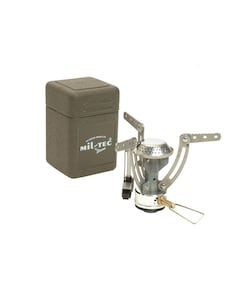
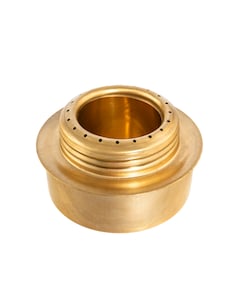
Wanting to prepare a tasty meal in the field, you will need a tourist stove with a pot or special pan and cauldron, which can be hung over a campfire. The first solution will be good if you are looking for something easier and faster to use. A skillet or cauldron will work better if you want the dish to have a specific flavor. You will also be able to prepare a larger portion in a special pan, so it will work great if you are going camping with a larger group. A more budget solution is a meniscus. You can use it over a campfire or by placing it on the stove.
It's also worth getting the right water filter, so you can draw water from the lake, filter it and drink or cook it in peace. Also remember to take with you on a camping trip the essentials, i.e. a fork, knife and spoon in one - you have to eat with something.
There are a whole bunch of similar accessories, and it's worthwhile for you to browse our offerings for what you might need. A pot, a stove, some cutlery and a filter is really the basis if you are going to camp for several days.
Remember also long-term food.



How to pack for camping in 5 steps
Step I - Take the right tent with you
-
Strong tear-resistant material.
-
Taped seams increase water resistance.
-
The mosquito net protects against insects.
-
The right length of lines and number of pins/pins.
Step II - Choose a sleeping mat
-
A carrimat is cheap and lightweight, but provides less comfort.
-
An inflatable mat provides more comfort and insulation, but takes up more space.
-
An inflatable mattress gives the greatest comfort, but takes up a lot of space in transport.
Step III - Take a sleeping bag with you.
-
The sleeping bag performs the function of bedding and provides a comfortable sleep.
-
Select a sleeping bag for the season and weather conditions.
-
Take a lightweight, compressible sleeping bag on your hike.
Step IV - Pack useful small items
-
Flashlight - illuminate the area around the tent and inside.
-
Multitool - a handy set of tools that can come in handy at any time.
-
Paracord rope - use the rope to hang laundry, a hiking shower, and string up a hammock.
-
Insect repellents - you will protect yourself from unwanted mosquito bites, as well as from ticks.
Step V - Take something to cook with you
-
especially if you like to eat something more than sausage fried on the fire. A small cauldron, a pot and a folding gas stove are useful accessories with the help of which you will make tasty dishes.
What to pack in a backpack for camping
It is a good idea to bring the following items in your backpack for camping:
-
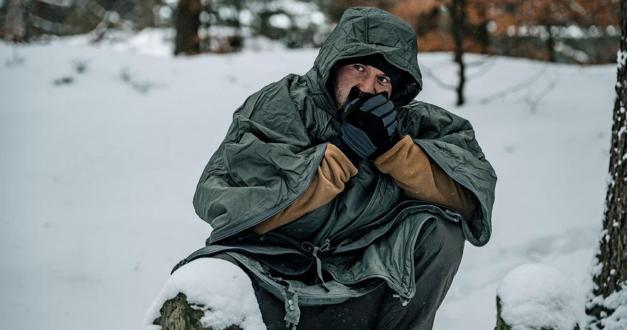
Sleeping bag/mat - after a day of adventures and hiking, they will provide more comfort than a water bed. The right mat will also protect against hypothermia.
-
Axe - you'll chop wood for a campfire with it, and with the shoe you'll hammer tent pegs even into hard ground.
-
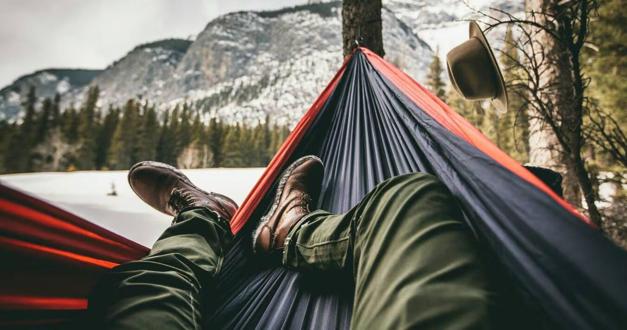
Hammock - You unfold the hammock and... relax wherever you want! All you need is two trees, strong ropes and a tarp overhead.
-
Map and compass - set a destination and stick to it!
-
Tent - is your private apartment. Number of bedrooms adapted to your needs. Always a beautiful view of the outdoors. Remember that the tropic must be waterproof, and the frame must be strong enough to withstand strong winds.
-
Food - a buffet as much as possible. It can be canned food, freeze-dried food that you just pour water over, or full-fledged food like meat and vegetables that you cook in a cauldron over a campfire or on a hiking stove.
-
Tourist stove - meals prepared in the field are not fattening and taste the best - especially if you choose good quality products.
-
Cutlery/essentials - handling a spoonful efficiently is an activity equal to opening oysters elegantly. Carry at least one fork, knife and spoon or an essential that includes a 3-in-1.
-
First aid kit - a must-have item in every backpack. You will disinfect a wound, protect it with a bandage or patch. It's also a good idea to stock your first aid kit with remedies for sunburn and insect bites.
-
Chainsaw - start your own fire (but only in permitted places). It will come in handy if matches fail or you run out of gas in your lighter.
-
Paracord rope - a supply of rope is extra tension for the tent, laundry rope, tarp suspension, mosquito nets and many other useful accessories.
-
Tick and mosquito repellents - even insects won't be able to spoil a perfect vacation. Choose a good product containing DEET or icaridine. The latter is less tokstic and does not smell.
-
Water purifier - get water everywhere like an all-inclusive!
-
Dishes - a set of lightweight travel dishes is more desirable for travel than china and crystal.
-
Nite ize - You'll use the snap hooks to mount a tarp, hammock, tighten lines in a tent, as well as to dry socks and a towel attached to a backpack.
-
Canteen/bottle - a reusable water container means less trash and more convenience.
-
Quick-drying towel - dries faster than hotel staff change towels. It also takes up less space and is lighter than a standard bathroom towel.
-
Powerbank - emergency power supply for all electrical devices - phone, camera, tablet, flashlight.
-
Multitool - solve problems at a glance anywhere. It will work well for preparing a night's lodging, opening cans, bottles and repairing small faults.
-
Knife - you will use it to slice bread, trim the line and clean your nails.
-
Flashlight - choose a model so that it is suitable as a lantern when hiking and a chandelier for the tent.