SERE Training: What Is It and What Does It Involve?
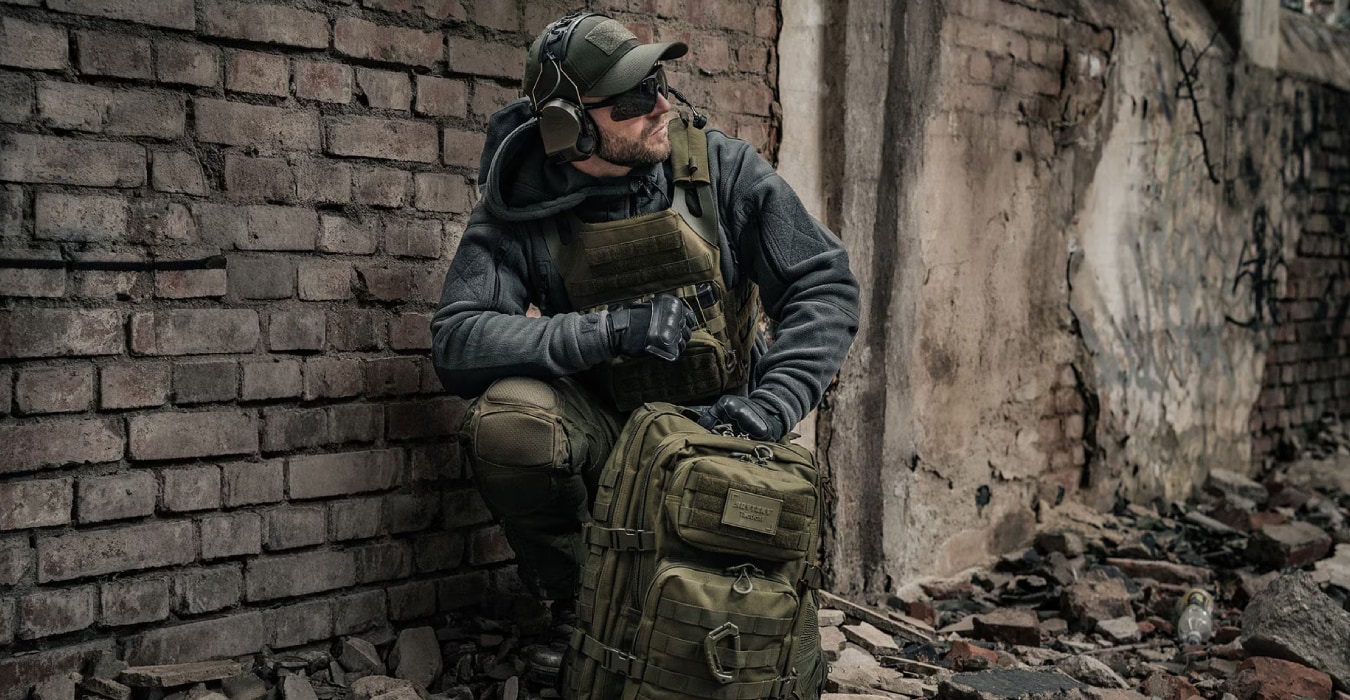
What happens when a service member is cut off from their unit and has to survive in hostile territory? That is exactly the kind of situation SERE training prepares people for. It goes beyond basic survival skills and also covers avoiding threats, conduct if captured, and the steps needed to return safely to friendly forces. So what does SERE training involve, how does it work in practice, and how do Levels A, B and C differ? This guide explains it all.
What Is SERE Training?
SERE (Survival, Evasion, Resistance, Escape) is a military training system that prepares service members to survive and operate when they are isolated from their own forces or can no longer return to them safely. Its main goal is to improve the odds of staying alive, avoiding capture and getting back to friendly lines. Military SERE training matters most for people who are more likely to end up in this situation, such as military pilots and aircrew, special operations soldiers, and personnel working in combat zones.
SERE covers far more than traditional survival skills. Alongside wilderness survival, it teaches how to avoid threats, how to behave if you are captured, and how to prepare for escape and recovery. Another key part of the program is mental toughness: making decisions under pressure and coping with stress, fatigue and limited access to basic resources.
What Does SERE Stand For?
| Letter | Term | Meaning |
| S | Survival | Staying alive in harsh conditions |
| E | Evasion | Avoiding detection and capture |
| R | Resistance | Withstanding captivity and interrogation |
| E | Escape | Getting free and returning to friendly forces |
So what does each part of SERE training involve?
- Survival – the skills needed to stay alive in difficult conditions, including building a shelter, finding and purifying water, sourcing food, protecting yourself from the weather and giving basic first aid.
- Evasion – actions meant to avoid detection and capture by an adversary. This part of the course covers the basics of camouflage, land navigation and moving safely when threats are close.
- Resistance – how to behave if you are captured and held by an adversary. It prepares service members to cope with psychological pressure, harsh captivity conditions and attempts to extract information or exploit them.
- Escape – preparing to break out of captivity or another dangerous situation and return to the control of friendly forces. Working with units that conduct personnel recovery is an important part of this.
SERE Training Levels: What’s the Difference Between A, B and C?
SERE training is split into three levels of difficulty, Level A, Level B and Level C, which differ in scope, intensity and the demands placed on participants. Each level builds on the one before and prepares service members for increasingly demanding situations. Level A is mostly theory, while Levels B and C put far more emphasis on hands-on practice in conditions close to real threats.
The levels follow a common Department of Defense framework, but each branch runs its own program. That means SERE training in the Air Force, Army, Navy and Marine Corps shares the same basic structure, while schools, course names and scenarios differ. The Air Force, for example, runs its SERE school at Fairchild Air Force Base in Washington.
SERE Level A – Entry Level
SERE Level A is the basic level of training, centered on knowledge: survival basics, evasion principles, the Code of Conduct and what to do if you are cut off from your unit or at risk of capture. It is the baseline training given to service members at entry level, and many complete it online through courses such as the well-known SERE 100.2 Level A training.
SERE Level B – Intermediate
SERE Level B focuses on putting that knowledge to practical use. Training takes place mainly in the field, often in tough weather and with limited gear and food. Participants practice building shelters, finding and purifying water, navigating terrain and avoiding detection. Coping with fatigue and stress is another key element.
SERE Level C – Advanced
SERE Level C is the most demanding level, designed for personnel at high risk of isolation or capture during their duties. It includes advanced exercises that simulate hostile pursuit, capture and time in a mock detention environment. There is a strong focus on mental resilience, decision-making under pressure and applying earlier skills in realistic scenarios.
What Gear Is Used During SERE Training?
SERE training makes use of equipment that helps participants survive in rough terrain, meet basic needs and cope with emergencies. The type and amount of gear depend on the level of training, the scenario and the requirements of the organizer. Some exercises deliberately limit the equipment available, to test participants’ skills.
Gear that may be used during SERE training includes:
- Clothing and tactical boots – suited to the weather and terrain, protecting against cold, moisture and injury.
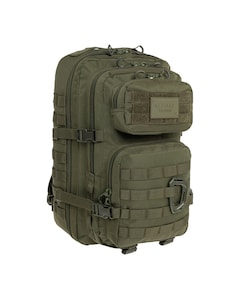
- Military or tactical backpack – for carrying personal equipment, spare clothing and essential accessories.
- Navigation gear – a map and compass, useful for land navigation and keeping your bearing.
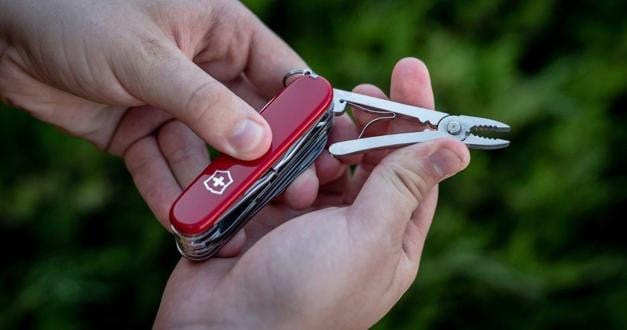
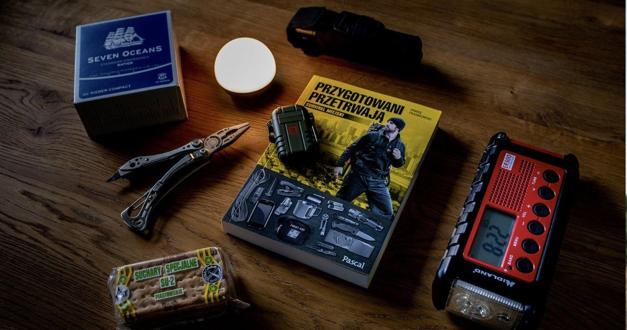
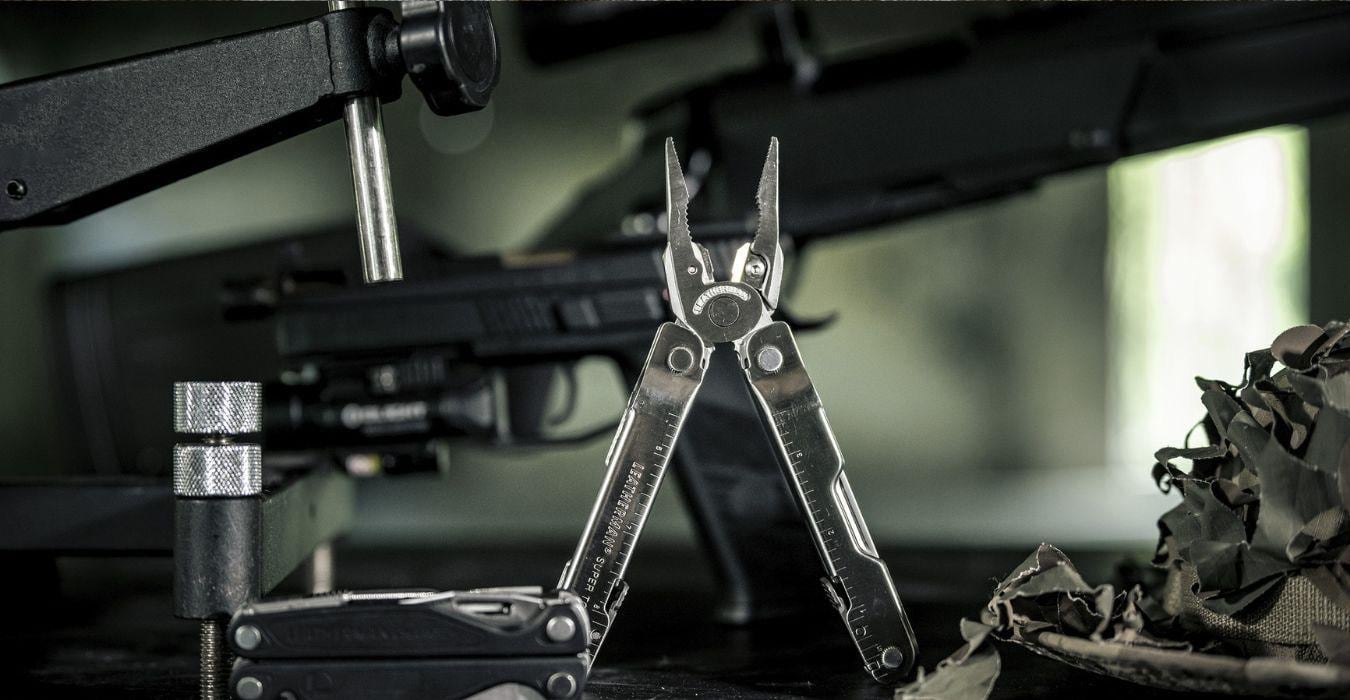
- Survival equipment – a ferro rod or fire starter, knife, multitool, cordage and other small items for basic field tasks.
- Water treatment – portable water filters or purification tablets, plus canteens and containers for storage.
- Shelter gear – a tarp, poncho or emergency blanket, which can help you build a shelter and stay protected from the weather.
- Flashlights and headlamps – to help with tasks after dark, if the training scenario allows their use.
- Personal first aid kit – with basic dressings and supplies suited to the type of training.
Keep in mind that not every item listed will be needed or permitted on a particular course. Check the equipment list provided by the organizer before you go.
If you are preparing for field training or want to build your survival skills, browse the Militaria.pl range. You will find tactical clothing and boots, backpacks, survival gear, navigation accessories and camping equipment for outdoor activities and civilian SERE-style training.