What is softshell? - a modern outdoor fabric
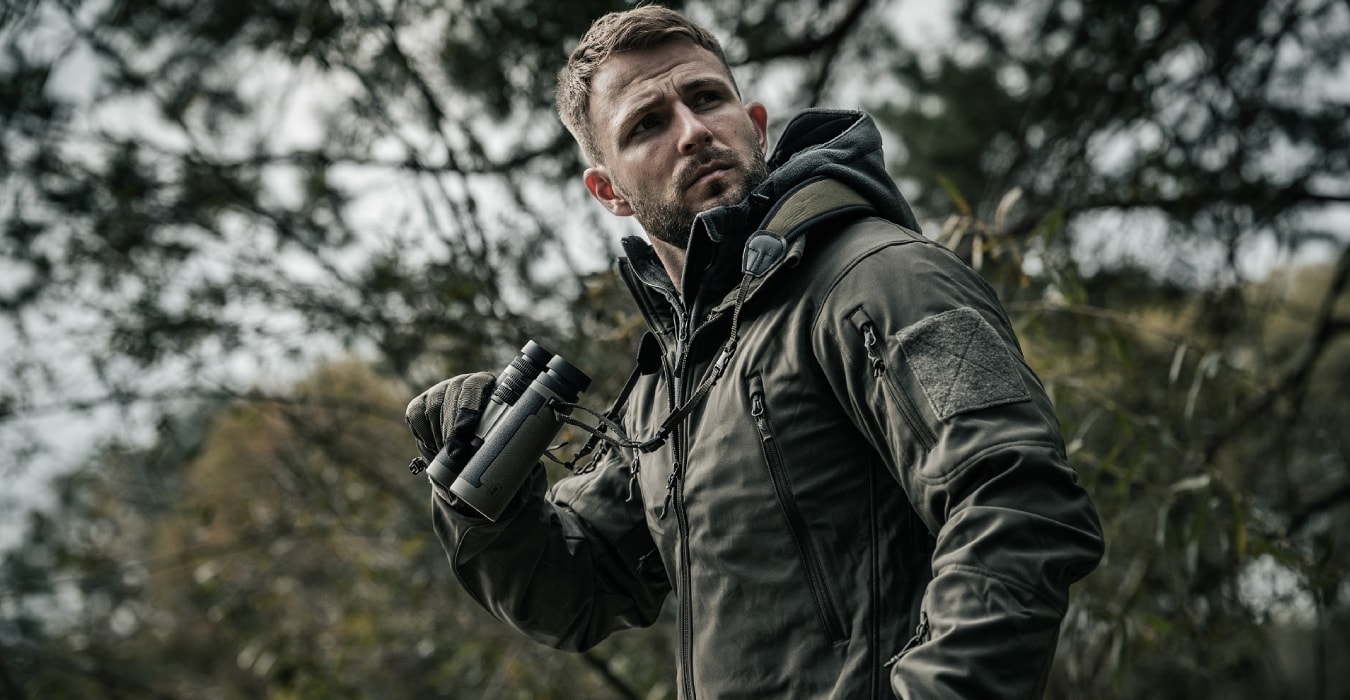
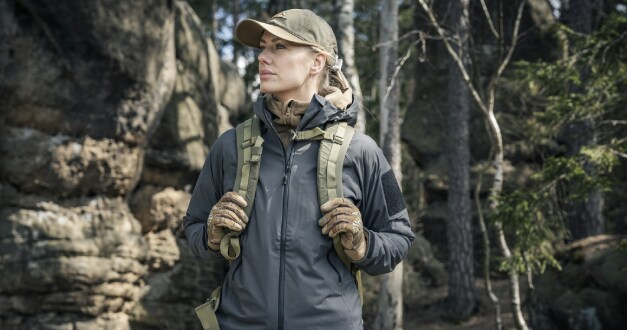
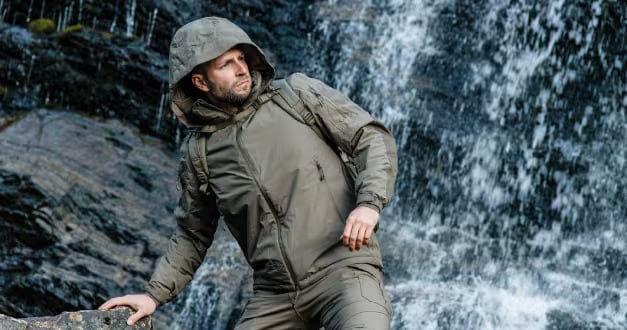
Softshell is a modern, flexible material used in outdoor clothing that combines wind resistance and light rain protection, good breathability, and high comfort of wear. The fabric was developed in the 1980s with mountaineers and skiers in mind, but it quickly gained popularity in other outdoor industries as well. This material began being used not only for jackets but also for pants, sweatshirts, shoes, and various accessories, which initiated a true revolution in the functional clothing sector.
Check out the useful information about softshell we've prepared in our article - from choosing the right jacket to washing tips. Additionally, we've prepared a FAQ section where we answer the most frequently asked questions.
Softshell — what kind of material is it?
Softshell is a type of technical material mainly used in outdoor clothing, such as jackets, pants, or shoes. It is a synthetic fabric, usually made from a blend of polyester, nylon, and elastane, providing good breathability and protection against wind and light rain.
Unlike hardshells, which are completely waterproof coatings, softshell does not protect against heavy rain, but it is more flexible, soft, and for many, more comfortable to wear. Softshell clothing is a popular choice for skiing, climbing, or hiking.
Main advantages of the softshell fabric:
- breathable, wicks moisture away,
- light and flexible, provides freedom of movement,
- resistant to light rain,
- windproof,
- durable and abrasion-resistant.


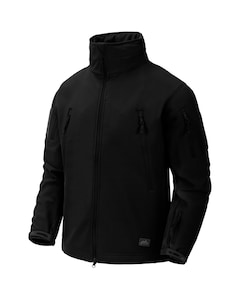
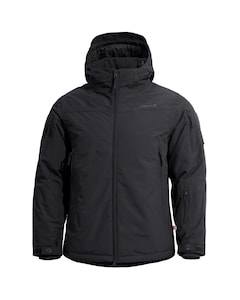

What to look for when choosing a softshell jacket?
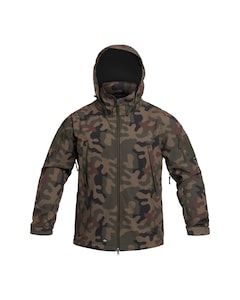
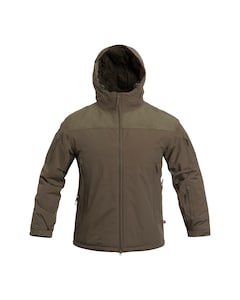
The choice of a softshell depends primarily on the conditions in which and the activities you intend to use it for. There is no one universal jacket that works for everything. When purchasing a softshell jacket, it's worth paying attention to several key features:
1. Jacket cut
It's best to choose a softshell that fits the body, as a jacket that is too loose won't adequately protect you from the wind. However, remember that fitted doesn't mean tight – the jacket should provide freedom of movement during activities.
2. Thickness of the softshell
It's worth noting that softshell jackets are very diverse. The market offers ultralight and thin models that resemble a technical shirt or sweatshirt in thickness and appearance. On the other hand, there are much thicker variants equipped with a fleece lining or a thin layer of insulation, providing additional thermal insulation.
Thin softshells are best suited for warmer days and during intense activity, such as running, cycling, or trekking, when the body generates a lot of heat. Thicker models are better for less intense activities and cooler weather.
3. Membrane
A softshell with a membrane is best when you need full windproofness and enhanced waterproofness. Such models often replace the third layer of clothing and are a good choice for low to medium intensity activities and where there is a risk of water contact.
A softshell without a membrane is a better choice for intense physical activities, e.g., running, mountain tourism, or ski-touring. The dense weave of the fabric significantly protects against wind, and the lack of a membrane provides high breathability, making it easier for the body to wick away sweat and not overheat.
How to wash a softshell? - practical tips
Proper care of softshell clothing is key to maintaining its technical properties for many seasons. Below we present specific tips to keep in mind when washing a softshell:
1. Wash only when necessary
It's worth washing the softshell only when it's visibly dirty or after intensive use, and also when you notice a decrease in its properties, such as reduced breathability.
2. Preparing the garment before washing
- Check the contents of the pockets thoroughly.
- Close all zippers: the main jacket zipper, pockets, and possible ventilation zippers.
- Secure buttons and Velcro.
- This preparation protects the material from damage during washing.
3. Washing machine settings
- Wash temperature: no higher than 40°C, optimally 30°C for the safety of the material.
- Spin: set at low revolutions (600–800 rpm) as faster spinning can deform or damage the fabric.
4. Detergent choice
- Use only specialized products designed for technical fabrics. For example, Nikwax Tech Wash is a noteworthy product that removes impurities and refreshes the DWR coating.
- Do not use regular liquids, standard laundry powders, bleach, or strong detergents.
Answers to popular questions about softshell – FAQ
Is softshell waterproof?
What temperatures is a softshell suitable for?
What does softshell shoes mean?
Does softshell “warm” up?
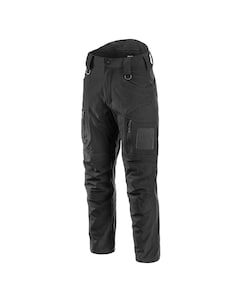
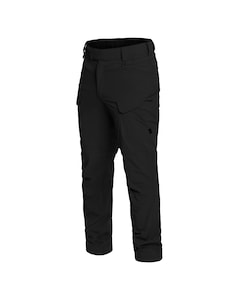
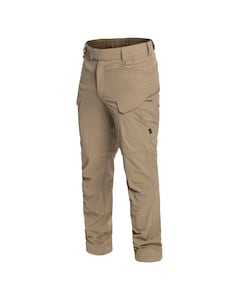
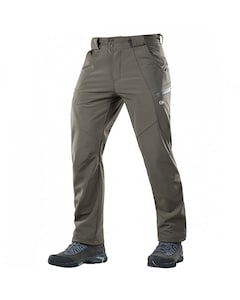
Softshell clothing in the Militaria.pl offer
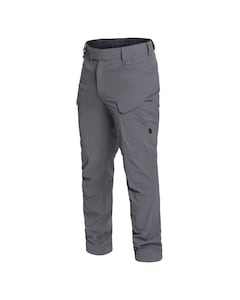
In our offer, you will find softshell gloves, sweatshirts, and jackets, as well as pants made from this material and shoes. Products are available in various sizes and colors. We recommend well-known brands such as M-Tac, Pentagon, Helikon, or Texar.