What do IP ratings mean?
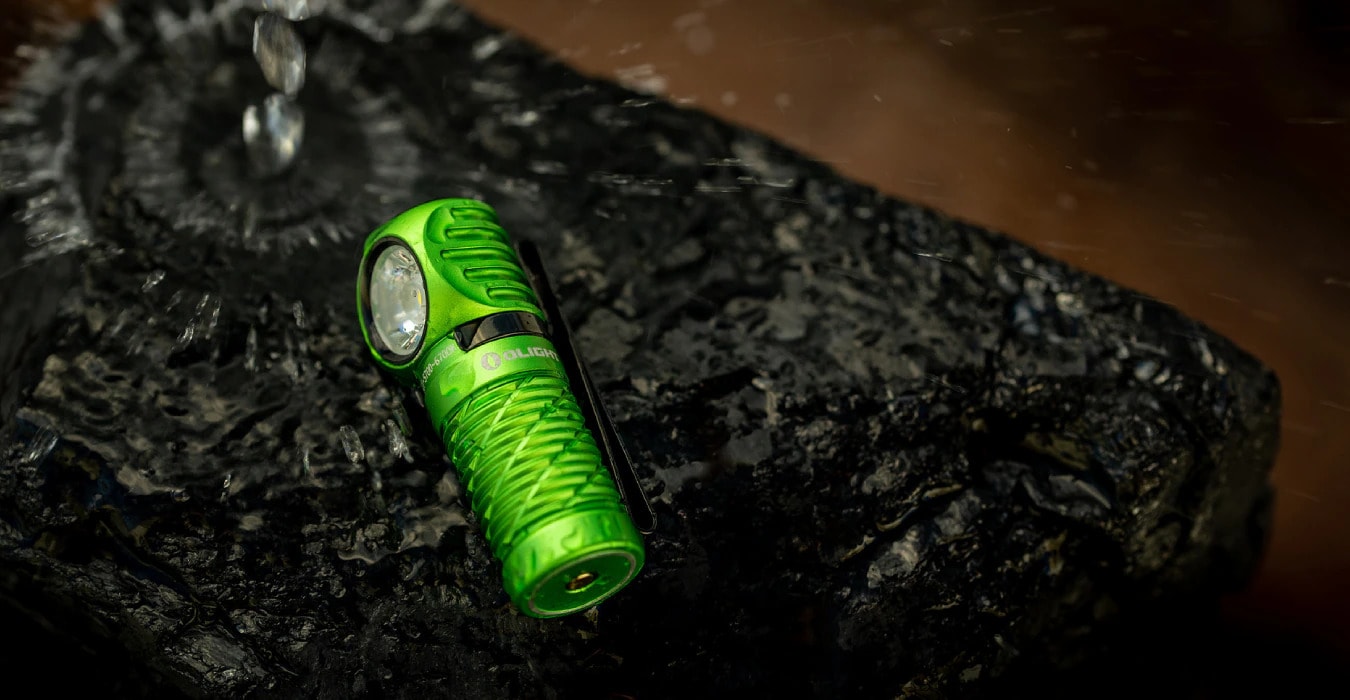
IP standards are simply designations indicating the level of water resistance and protection of a product against the ingress of solid bodies, such as sand. These standards are very important for people operating in tactical or outdoor environments, as they allow them to check, for example, whether a specific flashlight can be submerged in water for a long period and if it is resistant to dusty environments. Read our guide and learn more about dustproof and waterproof standards.
What does the abbreviation IP mean?
IP standards, or Ingress Protection (or International Protection), determine the degree of protection of electrical and electronic devices against the ingress of foreign objects (such as dust, dirt) and water. The designation consists of the letters "IP" and two digits, with each digit representing a different type of protection. Simply put — if you see a designation such as IP57 on a flashlight, it means it is somewhat protected against water and dust.



How to read the markings in the IP code?
The first digit, from 0 to 6, defines the level of protection against solid objects. The second digit, from 0 to 9, indicates the level of resistance to water and moisture. The higher the digit, the better the protection.
Example: a flashlight with the manufacturer's marking IP44.
The first digit 4 - protection against solid bodies with a diameter > 1 mm
The second digit 4 - protection against drops falling from any angle from all sides, e.g. rain
What does the IPX standard mean?
Another example is when a device has the letter "X" in its designation - this simply means that the manufacturer has not provided the parameter regarding protection against the ingress of solid bodies. For example, the IPX8 designation suggests the equipment is waterproof, but does not specify the level of dust protection. Below is a table showing individual IP protection levels along with their descriptions:
| IP | ||
|---|---|---|
| no protection against solid bodies | 0 | 0 | no protection against water |
| protection against solid bodies > 50 mm | 1 | 1 | protection against water falling vertically |
| protection against solid bodies > 12.5 mm | 2 | 2 | protection against falling water if the object is tilted by 15 degrees |
| protection against solid bodies > 2.5 mm | 3 | 3 | protection against falling water if the object is tilted by 60 degrees |
| protection against solid bodies > 1 mm | 4 | 4 | protection against drops, e.g. rain, falling at any angle |
| protection against dust | 5 | 5 | protection against water jets from any direction (12.5 l/min) |
| complete protection against solid bodies | 6 | 6 | protection against very strong water jets (100 l/min) from any direction |
| 7 | protection against temporary immersion (up to 30 min at a depth of up to 1 m) | |
| 8 | protection under continuous immersion in water (depth according to manufacturer's specification) | |
| 9 | protection against water jets under pressure 80–100 bar and temperature up to 80°c (according to DIN 40050) |
Examples of popular IP classes and their application
Below you will find the most common IP classes in devices along with their detailed descriptions. Each of them signifies a different level of protection and is suitable for various applications:
- IP20 - this is one of the basic IP classes. It is suitable for devices intended for use in dry rooms, where the risk of moisture contact is minimal or completely eliminated. Therefore, a flashlight or other equipment with this marking is not suitable for applications requiring reliability in variable weather conditions. Even slight moisture, morning dew, or light drizzle can cause device damage.
- IP54 - devices with this marking have limited protection against dust and are protected against splashing water from all directions. Equipment with such a marking will survive light drizzle or accidental splashing, but heavy rain may damage the device. Limited protection against dust means that the equipment should not be constantly exposed to dust, although the exact exposure time is not specified.
- IP65 – means that the device is completely dustproof and protected against strong water jets from any direction. Equipment with this protection class can withstand heavy rain, mud contact, and dust during windy weather. This is the minimum level of protection suitable for equipment used, for example, during long-term tactical operations.
- IP68 – this is one of the highest levels of protection against dust and water. Devices with this marking are completely dustproof and resistant to long-term immersion in water - the exact time and depth are specified by the manufacturer. It is an advanced level of protection suitable, among others, for tactical operations where equipment may be exposed to mud, sand, or prolonged water immersion.
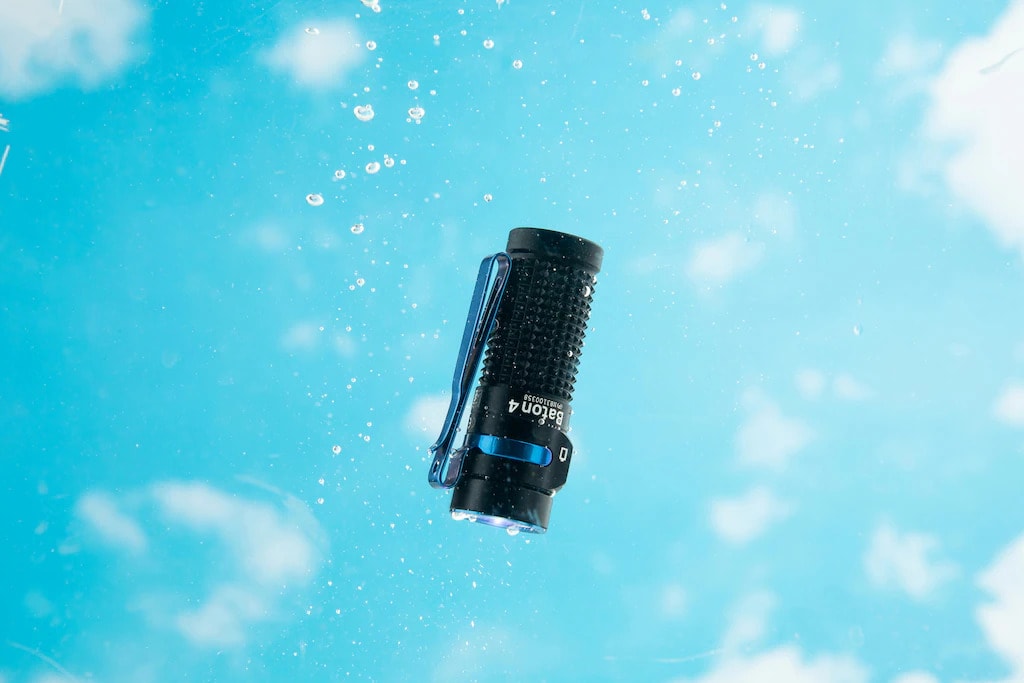
Products with IP class in the Militaria.pl offer
At Militaria.pl, you will find many products that meet high IP standards, because we know how important it is to have such devices in the field. We always provide the protection level information in the product description. We offer flashlights, camping lamps, metal detectors, colimators and other devices that feature high dustproof and waterproof characteristics. Check out our offer and choose the perfect equipment for the field!