What Is a Machete? Types of Machetes and Their Uses
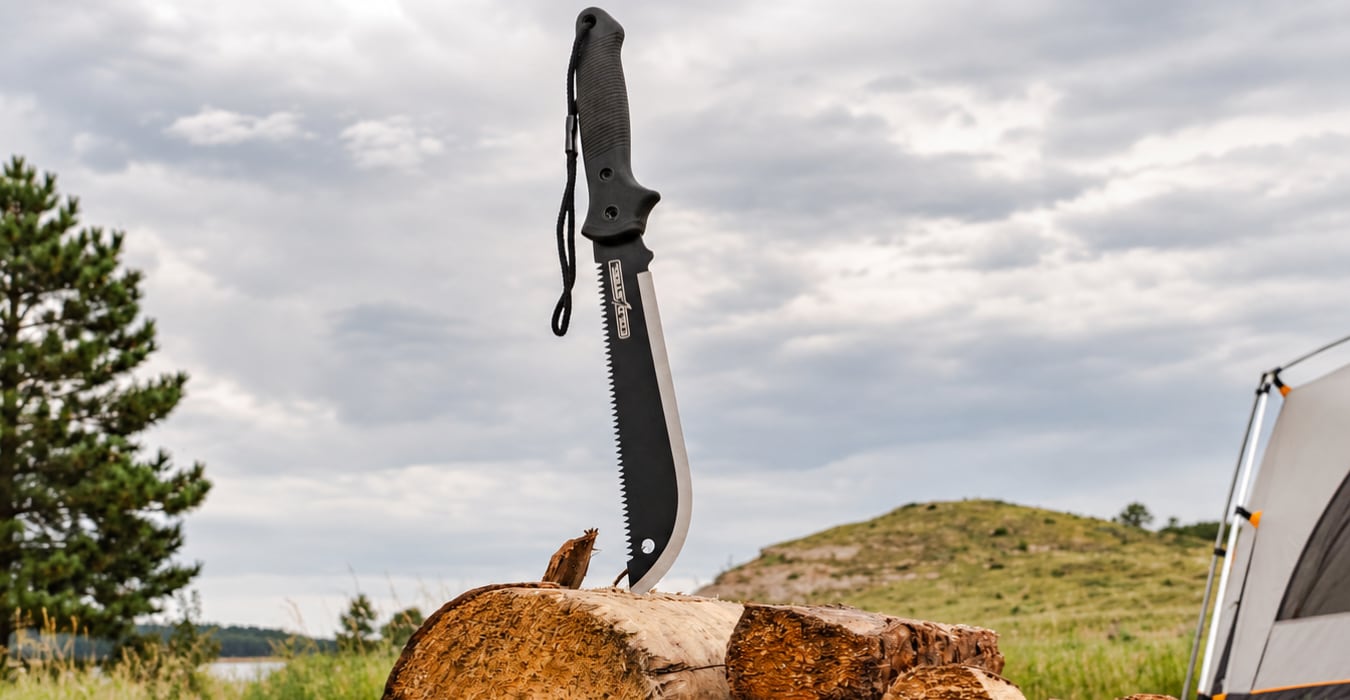
A machete is a cutting tool designed mainly for clearing dense vegetation, trimming branches and handling all kinds of field work. You’ll find it in the yard and garden as well as on survival and bushcraft trips.
There are many types of machetes on the market, and they differ in blade shape, length, weight and intended use. In this guide, we explain what a machete is, walk you through the most popular machete types and show which designs work best for specific jobs.
What is a machete?
A machete is a cutting tool with a long, usually single-edged blade, built primarily for chopping and clearing vegetation. Its design is made for swinging, chopping strokes, which makes it ideal for clearing tall grass, undergrowth, saplings and small branches. Most machetes have a blade between roughly 12 and 24 inches long, and individual models differ in length, blade shape, weight and balance.
A machete looks a lot like an oversized knife, but the two tools are built for different jobs. A regular knife is designed for more precise work, while a machete is meant for wide, sweeping cuts. An axe serves a different purpose as well – its heavy head is better for chopping and splitting wood. A machete, on the other hand, is the more practical choice when you need to clear large areas of brush and lighter vegetation.


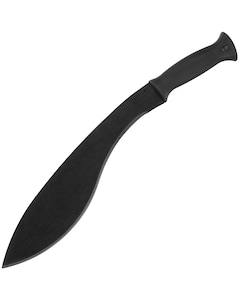


What is a machete used for?
Machete uses center on cutting and clearing vegetation. The long blade lets you make fast, sweeping strokes, so it’s just as handy in the backcountry as it is for maintaining your property or garden. What a machete does best depends on its design – lighter models are better for soft vegetation, while heavier ones can handle thicker, woody growth.
Common machete uses include:
- Yard and land clearing – removing tall grass, weeds and brush, and trimming small branches.
- Bushcraft – preparing materials for camp, limbing branches and other tasks that make use of natural resources.
- Survival – handling basic field tasks, especially in areas with dense vegetation.
- Setting up camp – clearing excess vegetation from your chosen site, where local rules allow it.
- Farm work – cutting and trimming certain crops, especially in regions where the machete is a traditional farming tool.
Keep in mind that a machete is not a replacement for an axe. Its long cutting edge handles grass, brush and thinner branches well, while an axe, with its heavy head, is better for chopping thicker wood and splitting logs. Choose your tool based on the kind of work you have in mind.


Types of machetes
Machetes come in many variants, mainly differing in blade shape, length and balance. Each design comes from a different part of the world, where it was adapted to local vegetation and the type of work being done. The best-known types of machetes include the Latin, Bolo, Parang, Golok and Panga. The Nepalese Kukri also shows up in most machete overviews, although traditionally it’s a separate type of knife.
Latin (classic) machete
The Latin machete is one of the most common machete types and is especially popular in Latin America. It has a long, fairly narrow, almost straight blade that may widen slightly toward the tip. Thanks to its light weight and long cutting edge, it’s great for cutting tall grass, thin saplings and light brush. It’s a versatile tool used mainly for farming, yard work and field work – and it’s the style most Americans picture when they think of a machete.

Boker Magnum CSB Latin Machete
Bolo machete
The Bolo machete comes from the Philippines, where it has long been used as a farming tool. Its signature feature is a blade that widens toward the front, putting more weight near the tip. This balance makes it easier to deliver powerful chops, so the Bolo is well suited to thicker saplings, branches and woody vegetation. Compared to a classic Latin machete, it’s usually more front-heavy.

Kukri
The Kukri is a traditional Nepalese knife, easy to recognize by its distinctive forward-curving blade. Its front section is usually wider and heavier, which helps deliver powerful cuts. The Kukri is used for cutting branches, preparing firewood and handling all kinds of outdoor tasks. It’s also closely tied to the tradition of Nepal’s Gurkha soldiers.
Although the Kukri is often sold as a “kukri machete” because it’s used in a similar way, technically it’s a separate type of knife, not a variant of the classic machete.

Parang machete
The Parang is a traditional cutting tool from Southeast Asia, especially common in Malaysia and Indonesia. It has a fairly wide, heavy blade, often with a gently curved edge. Compared to a Latin machete, it’s usually shorter and heavier, which makes it easier to cut through dense, woody growth. The Parang is used for forestry, farming and gathering materials for building a camp.
Golok machete
The Golok is a traditional cutting tool from Indonesia. It usually has a shorter, wide and fairly heavy blade whose shape can vary by region. Thanks to its compact size, it works well for cutting branches and saplings and for tasks that require more control. The Golok is often compared to the Parang, since both are used in similar ways and the line between some of their variants isn’t always clear.
Panga machete
The Panga is a machete found mainly in East and Southern Africa. It has a wide blade that often flares toward the tip, along with a distinctively shaped point. The extra weight in the front of the blade helps deliver more powerful chops. Traditionally, the Panga is used for farm work, clearing brush and trimming thicker saplings and branches.
Machete types compared
The table below shows the key differences between the main machete types and similar cutting tools.
| Type | Key feature | Typical use |
|---|---|---|
| Latin | Long, narrow and relatively light blade | Grass, thin saplings and brush |
| Bolo | Blade widens toward the front | Thicker saplings and woody vegetation |
| Kukri | Forward-curving blade | Cutting branches and field work |
| Parang | Wide, heavy, often curved blade | Dense and woody vegetation |
| Golok | Shorter, wide blade | Cutting branches and work in tight spaces |
| Panga | Wide front section of the blade | Farm work and brush clearing |
Keep in mind that these names refer to traditional designs, and many modern machetes combine features of several types. When choosing a specific model, look not only at its name but also at its specs and intended use.
How to choose the best machete for your needs
The best machete for you depends mainly on the work you have planned. Cutting tall grass and thin saplings calls for a different tool than clearing thicker branches or prepping firewood at camp. Blade shape and length matter, but so do weight, steel type and comfort. Here are the key things to consider:
- Intended use – for grass and light brush, a longer, lighter machete such as a Latin works best. For thicker saplings and woody growth, a heavier design like a Bolo or Parang may be the better pick.
- Blade length and shape – a long blade (around 18–24 inches) gives you more reach and makes it easier to clear large areas. A shorter blade (around 12–14 inches) is easier to handle in tight spaces and to carry. The blade shape affects weight distribution and how the machete cuts.
- Blade thickness – thinner blades are usually lighter and work well on soft vegetation. Thicker blades are stiffer when cutting harder material, but they add weight.
- Weight and balance – a light machete causes less fatigue during long sessions. Models with more weight toward the tip deliver more powerful chops, but they take more effort and control.
- Steel type – machetes are most often made of carbon steel or stainless steel. Carbon steel is valued for being easy to sharpen and tough, but it needs regular care to prevent rust. Stainless steel is more rust-resistant, which makes maintenance easier.
- Tang construction – check how the blade connects to the handle. In a full-tang design, the steel runs the full length of the handle, which – when well made – creates a very solid connection.
- Handle material and ergonomics – the handle should fit your hand well and offer a secure grip. Machete handles are made of wood, rubber, synthetic materials and more. Look for a surface that reduces the risk of slipping.
- Sheath – a sheath lets you store and carry your machete safely. It should match the blade shape, be made of durable material and hold the machete securely in place.
No single machete type works equally well for every task. For light vegetation, go with a longer, lighter blade; for thicker saplings, a shorter, heavier design will serve you better. What matters most is matching the machete to the job and to your own preferences.
In most US states, owning a machete is legal, but rules on carrying one in public vary by state and city – check your local regulations before taking it outside your property or campsite.
Frequently Asked Questions about Machetes (FAQ)
A machete is used mainly for cutting and clearing vegetation – tall grass, weeds, brush, saplings and small branches. It’s a popular tool for yard and land clearing, bushcraft, survival and setting up camp. In some regions, it’s also a traditional farming tool. Lighter models handle soft vegetation, while heavier ones can cut thicker, woody growth.
It depends on the job. A machete, with its long cutting edge, is best for clearing grass, brush and thinner branches with sweeping strokes. An axe has a heavy head that makes it far better for chopping thicker wood and splitting logs. Many campers and homeowners keep both tools, since a machete can’t replace an axe for heavy wood work.
The best-known machete types are the Latin, Bolo, Parang, Golok and Panga. The Latin machete has a long, light, nearly straight blade for grass and brush. The Bolo and Panga are front-heavy for more powerful chops, while the Parang and Golok are shorter, heavier designs for dense, woody vegetation. Many modern machetes combine features of several types.
Not technically. The Kukri is a traditional Nepalese knife with a distinctive forward-curving blade, closely associated with the Gurkhas. It’s often sold as a “kukri machete” because it’s used for similar tasks, such as cutting branches and preparing firewood. However, it’s a separate type of knife rather than a variant of the classic machete.
A longer blade (around 18–24 inches) gives you more reach and is ideal for clearing large areas of grass and brush. A shorter blade (around 12–14 inches) is easier to control in tight spaces and more convenient to carry. For general camping and bushcraft, many users find a mid-length blade the most versatile. Always consider the blade’s weight and balance together with its length.
Both have their advantages. Carbon steel is easy to sharpen and tough, but it needs regular care to prevent rust. Stainless steel resists corrosion better, which makes maintenance simpler, especially in wet conditions. Choose carbon steel if you don’t mind upkeep, and stainless if you want a low-maintenance machete.
Shop machetes at MILITARY
Looking for a machete for field work, bushcraft or clearing your yard? Check out the machetes available at MILITARY – you’ll find models that differ in blade shape, length, weight and purpose. Compare the options and pick the machete that best fits your needs.