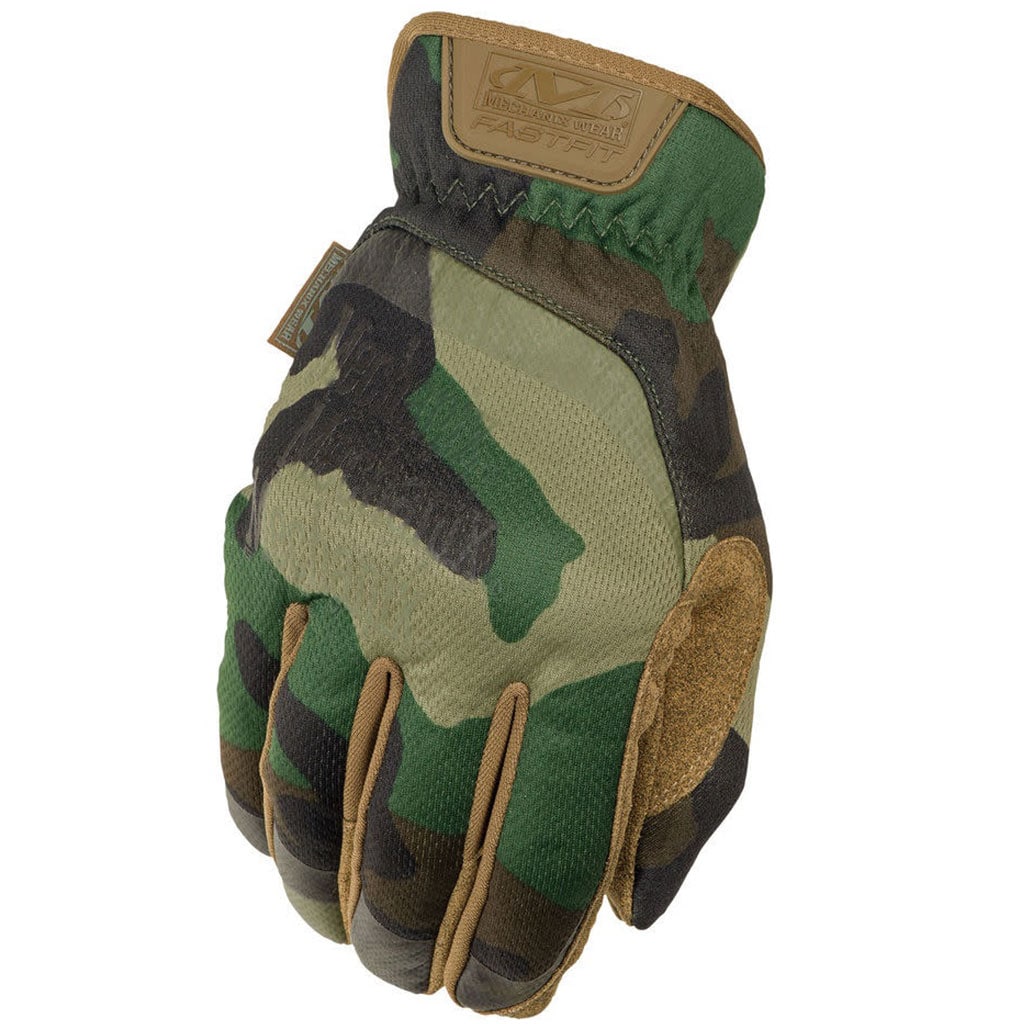
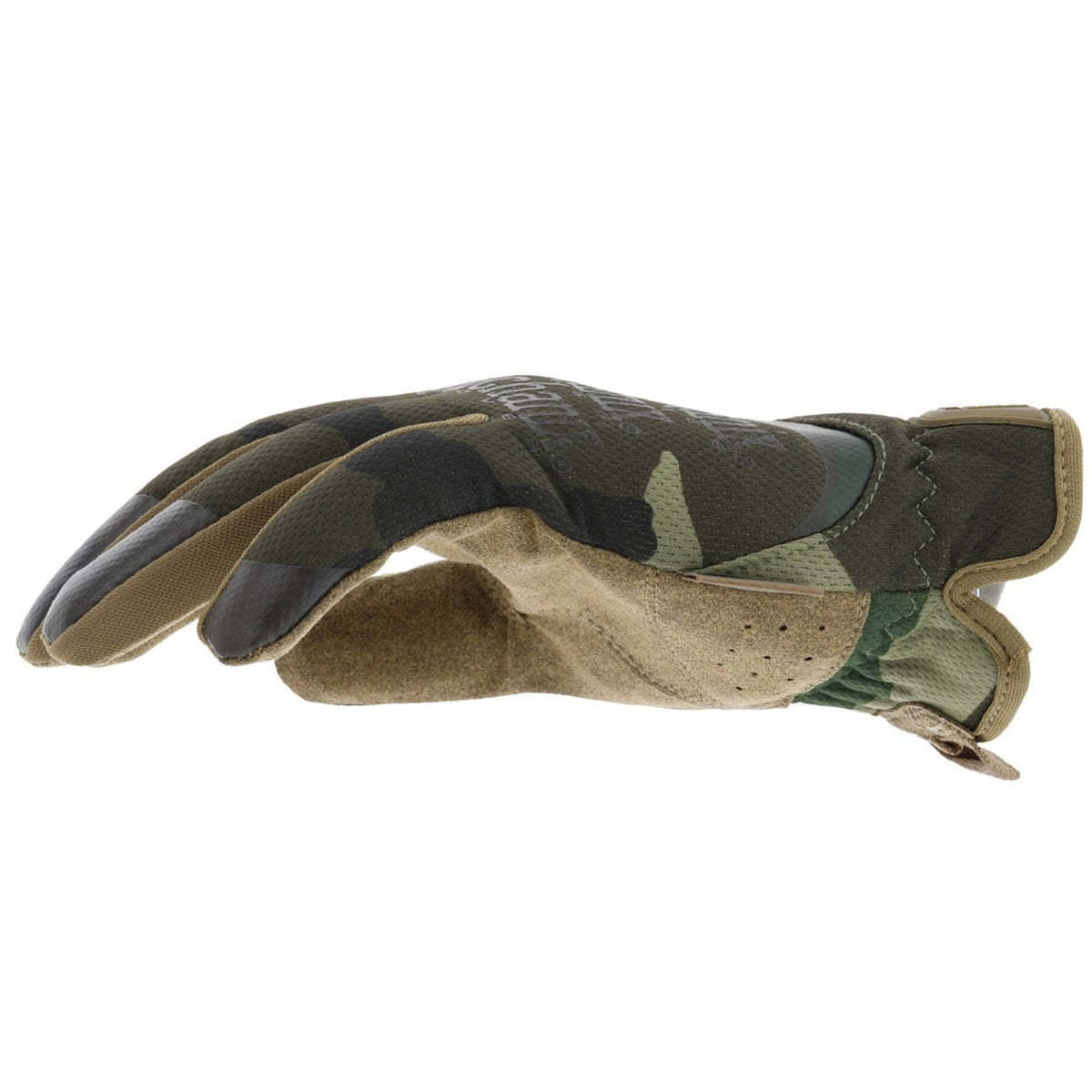
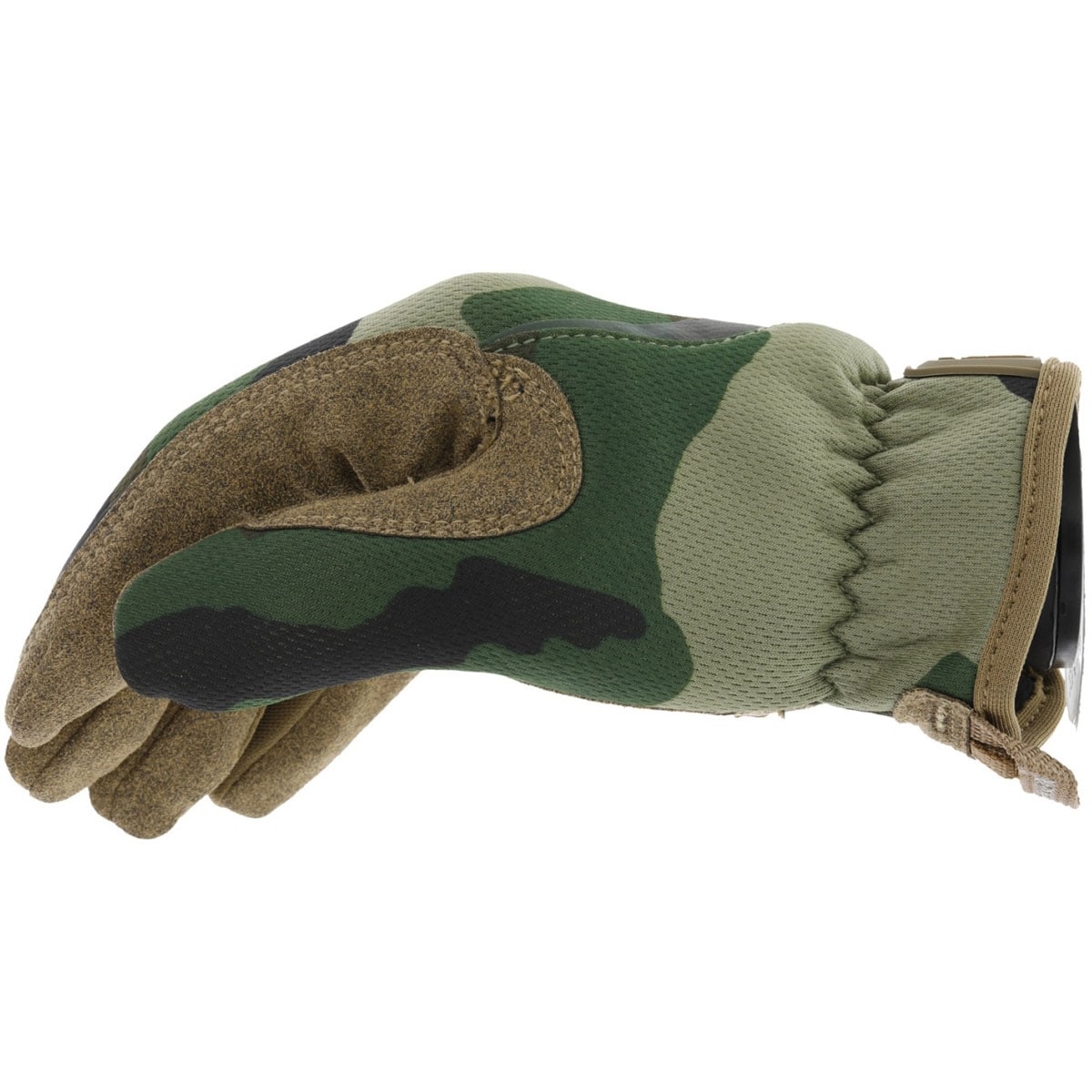
Designed for universal use, heavy-duty gloves deliver essential mechanical protection. Their optimal fit ensures complete grip control without restricting precision tasks. Ideal for military and law enforcement professionals, shooting sports enthusiasts, participants in survival trips, automotive work, DIY projects, and ASG activities.
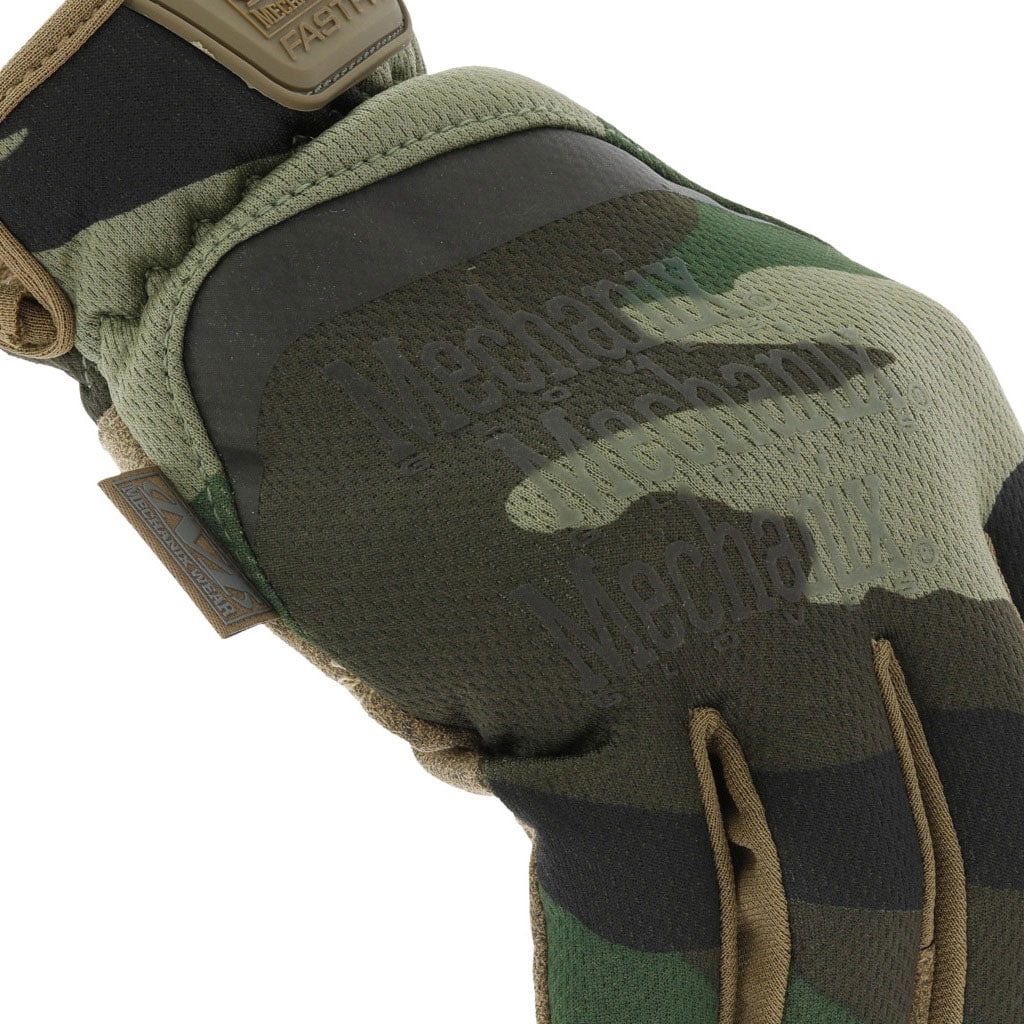
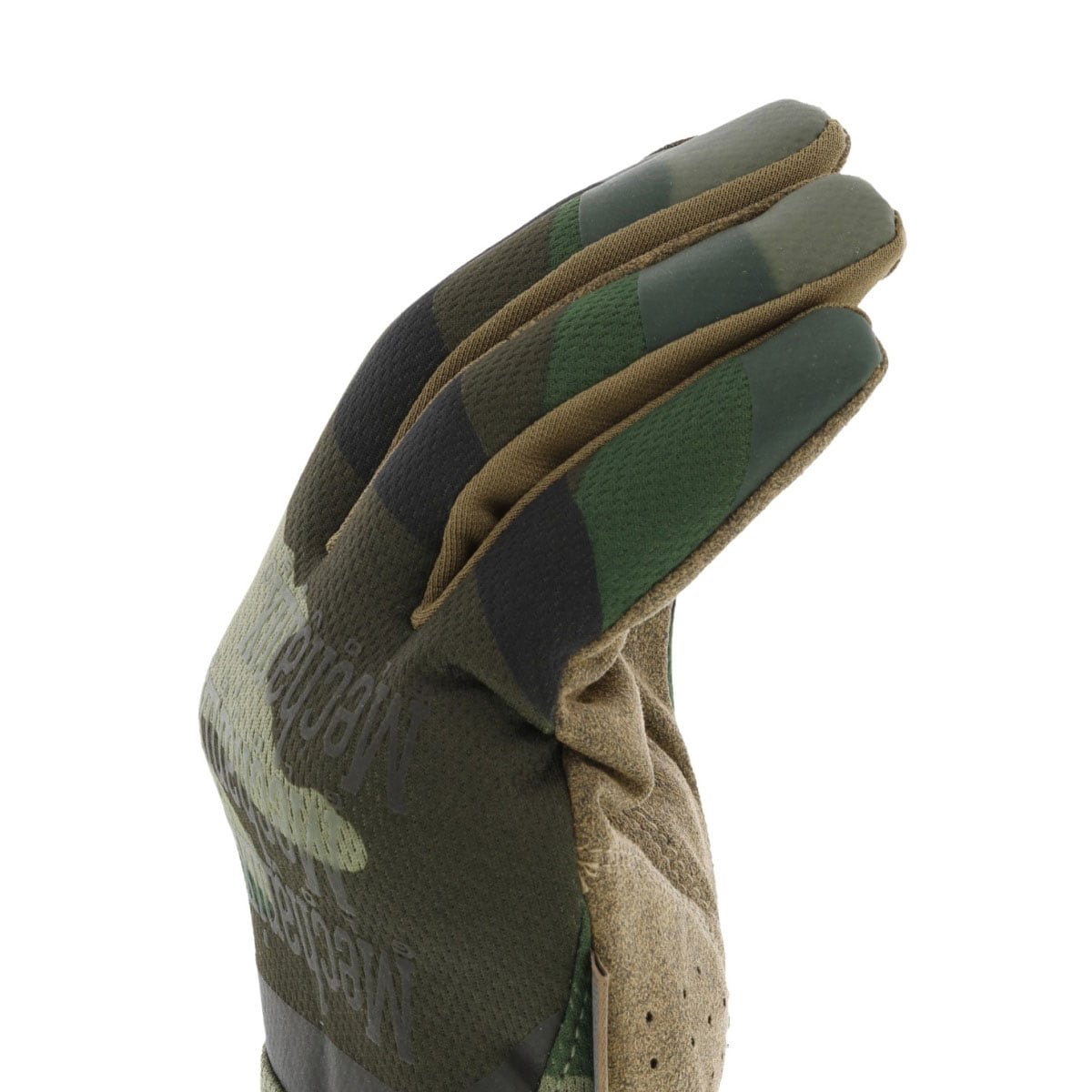
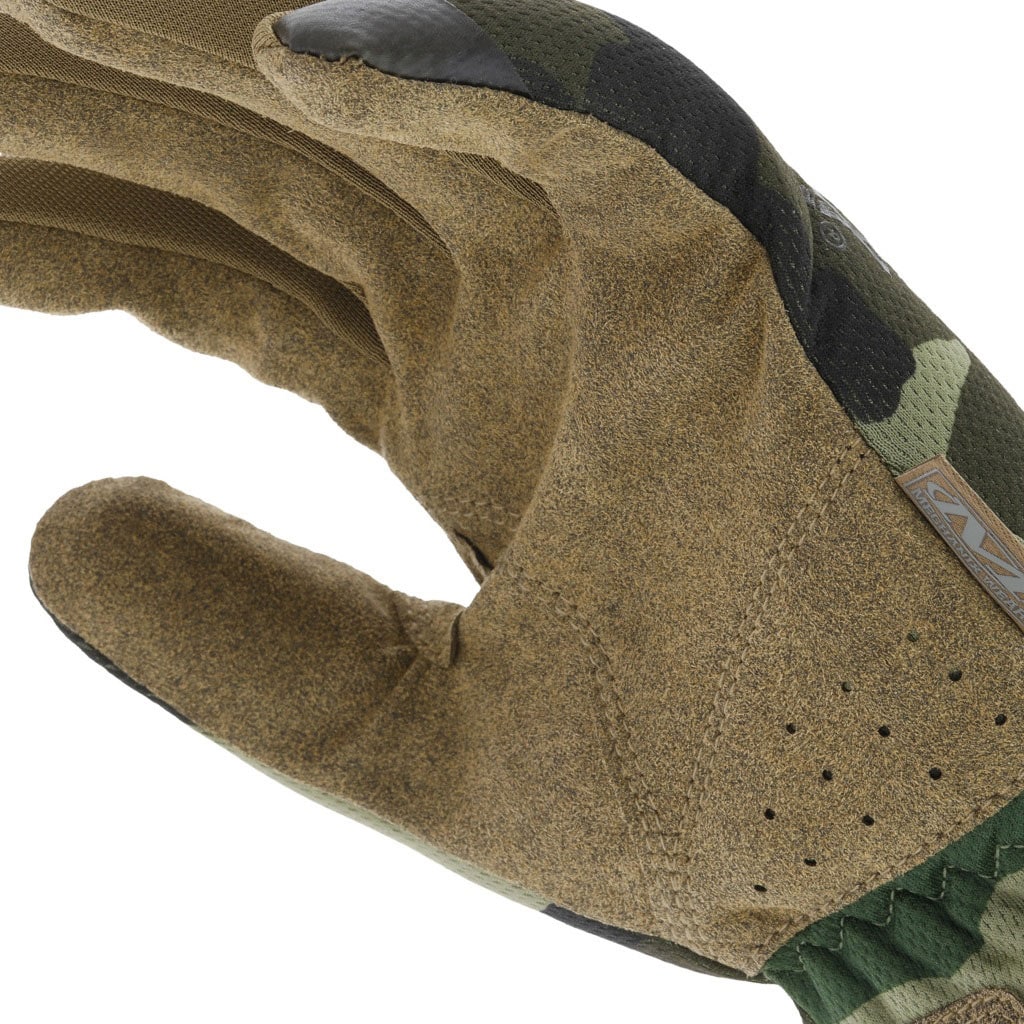
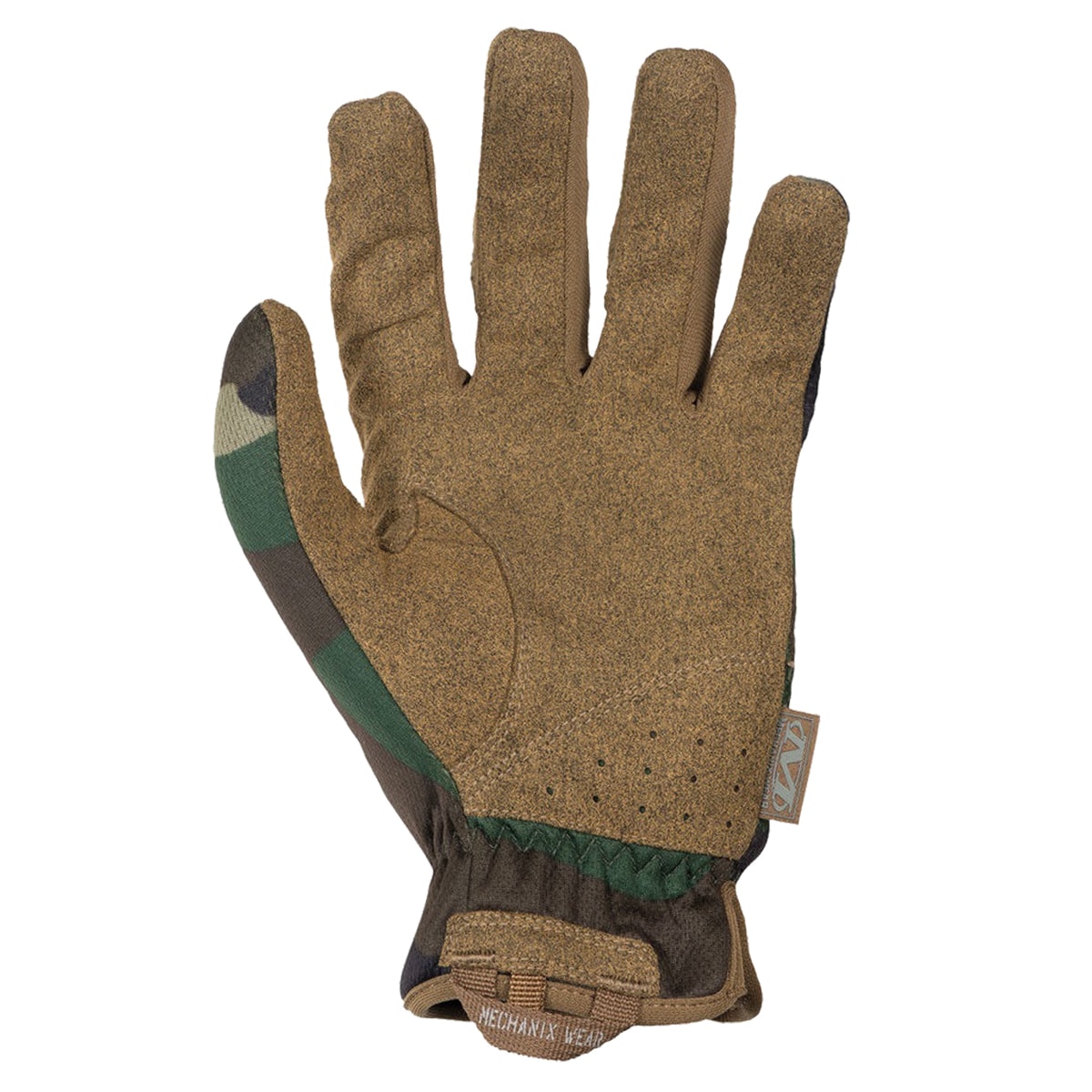
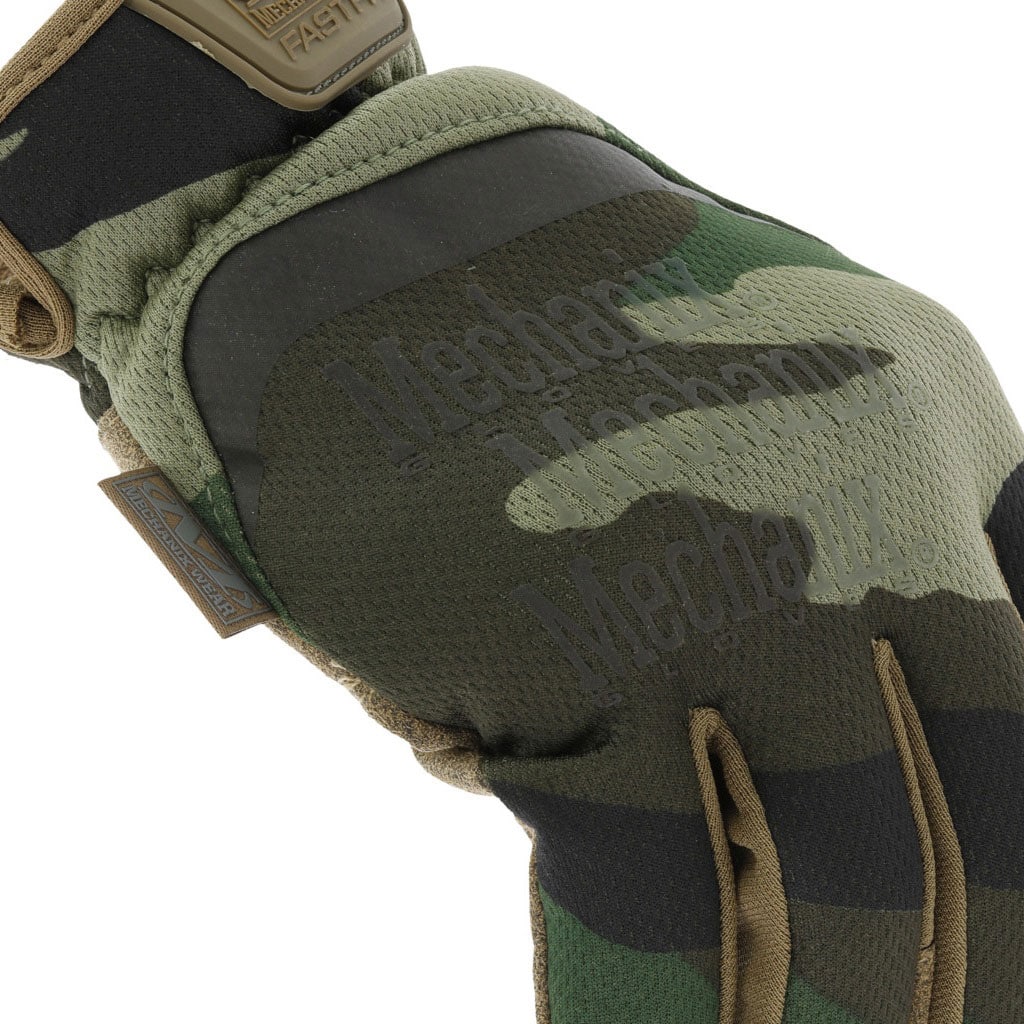
The top section of the gloves features breathable, lightweight Form-fitting TrekDry fabric, designed to minimize hand sweat. High-durability synthetic leather is used in the grip area to ensure a secure hold and precise tactile feedback, while enabling the use of touchscreen devices without glove removal. The thumb and index finger are reinforced with an extra layer of material for added strength.
An extra-wide cuff with ribbed construction delivers enhanced protection and ensures the gloves stay firmly on the wrist. The spacious entry makes glove donning quick and effortless.
These gloves comply with the EN388-2121X protective standard for mechanical resistance, which signifies:
- 2: abrasion resistance (scale 0-4)
- 1: cut resistance (scale 0-5)
- 2: tear resistance (scale 0-4)
- 1: puncture resistance (scale 0-4)
- X: cut resistance - TDM method (ISO 13997) (scale A-F)
The EN388 standard uses scales to indicate glove protection levels: a rating of 0 denotes no protection, whereas the highest numbers (4, 5) provide the greatest strength.
For TDM (ISO 13997) testing, letter codes are established: A represents the lowest protection, while F stands for the highest.
The symbol X signifies that the parameter was not evaluated or is not applicable.
Woodland, often referred to as U.S. Woodland or M81, stands as a legendary camouflage pattern introduced to the US Armed Forces in the early 1980s, developed from the previous ERDL pattern. Serving as the standard camouflage for the US military for more than twenty years, up until the close of the first decade of the 21st century, its defining feature is the arrangement of large, asymmetrical patches in various hues of green, brown, beige, and black, optimizing concealment and disruption in forested environments. Owing to its proven effectiveness and global notoriety, this design has inspired a multitude of variants, adopted by over 60 military uniforms worldwide. The influence of the pattern extends beyond military use, having made a significant mark on popular culture and transitioning from armed forces apparel to mainstream fashion.